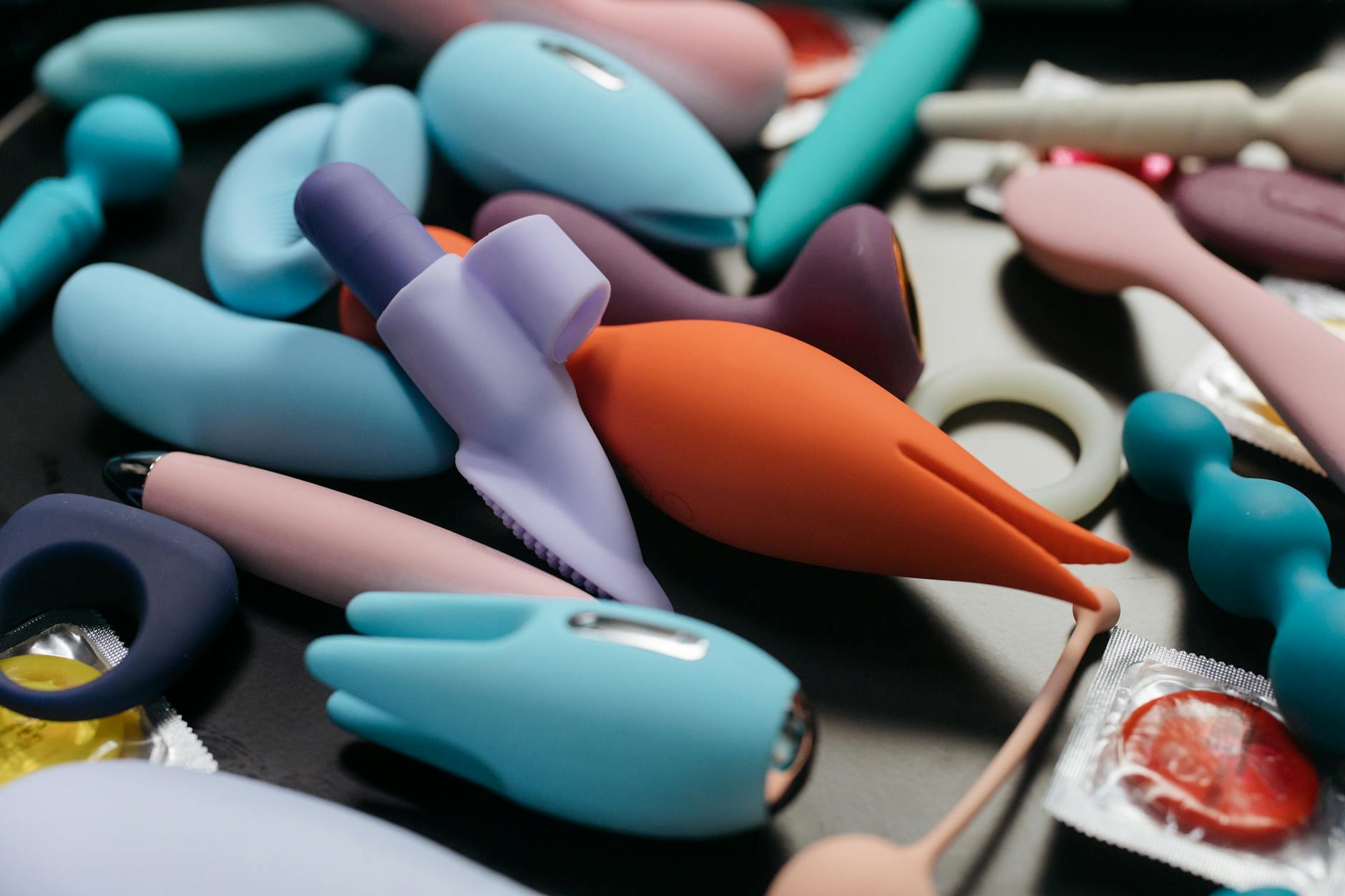
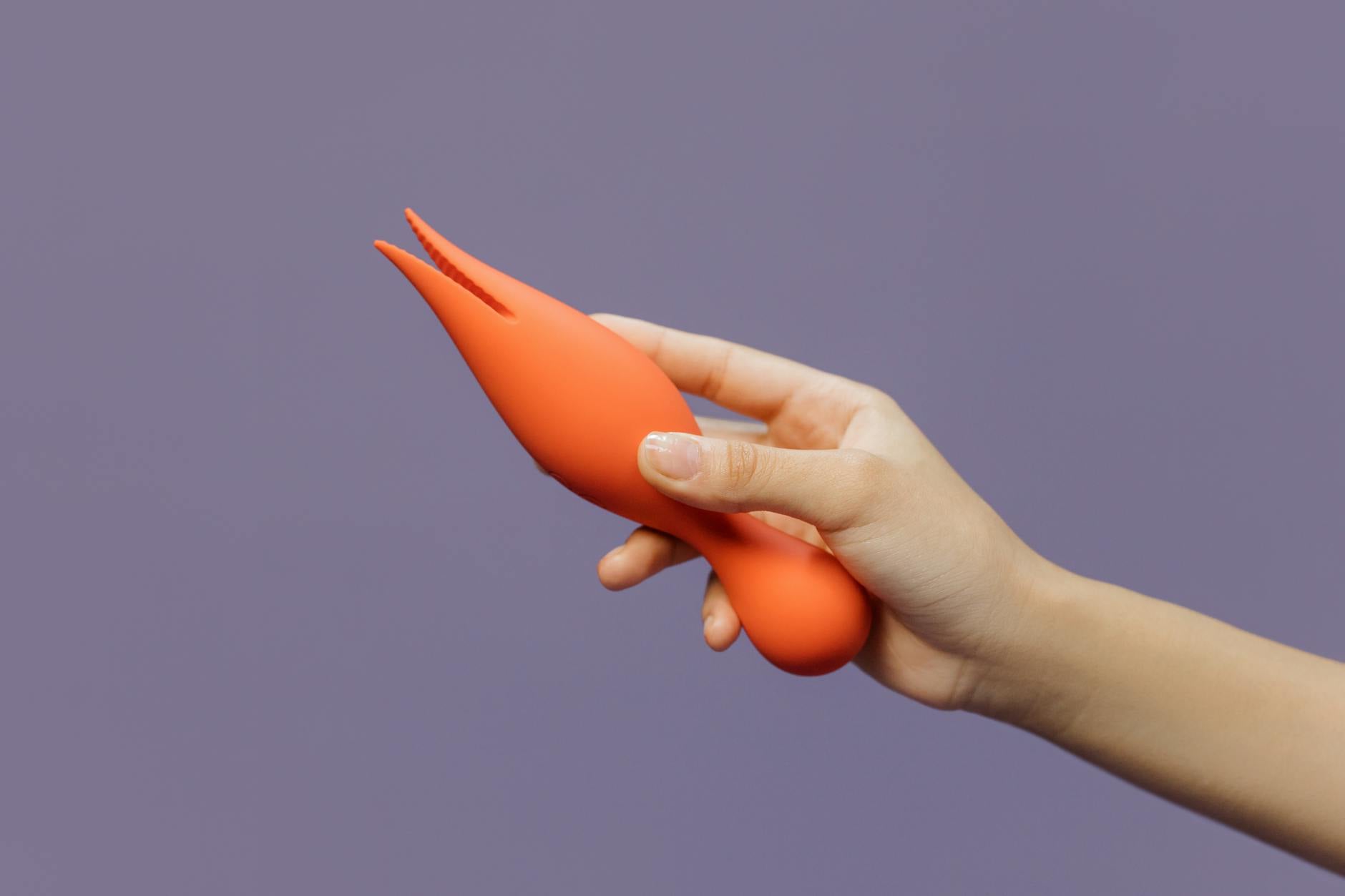
When your body has lived in chronic vulvovaginal pain, the nervous system doesn't just hurt. It learns to brace. To guard. To interpret any touch as a potential threat, even months or years after treatment starts working. This is why recovering your sexuality after vulvodynia, provoked vestibulodynia, or other forms of pelvic pain isn't simply a matter of waiting until the pain stops. It's about gradually teaching your nervous system that touch is safe again.
Lemon clitoral vibrators, with their unique suction mechanism, offer something traditional vibrators don't: a way to stimulate without the pressure or friction that can trigger a pain response. For people rebuilding after chronic pelvic pain, this distinction changes everything.
Vulvodynia and related pelvic pain conditions don't just hurt in the moment. They create neural pathways that associate intimacy with threat. Your brain's threat-detection system (your amygdala) starts flagging anything that resembles the painful stimulus. Your pelvic floor muscles tighten preemptively. Your parasympathetic nervous system, which is supposed to activate during arousal, stays offline because the body is still in protect mode.
This is called pain-related sexual dysfunction, and it's not psychological. It's neurobiology. The pathways are real, the bracing is automatic, and willpower doesn't rewire them.
What does rewire them is repeated, safe, pleasurable sensation. When you experience touch that doesn't hurt, your nervous system starts updating its threat model. Slowly, gradually, your body learns that this sensation is different.
A lemon suction vibrator is useful here because suction stimulates the clitoris differently than vibration alone. Instead of direct friction or impact, suction creates a gentle pulse of negative pressure. For people whose nervous systems are sensitive to stimulation that mimics prior pain, this feels safer. There's no sharp vibration, no need to manage hand pressure, no sensation of friction that might trigger memory.
Most vibrators operate through direct contact and vibration frequency. This is effective for many people, but for someone recovering from vulvodynia or provoked vestibulodynia, friction and repetitive pressure can mimic the sensation that caused the original pain.
Your brain doesn't distinguish between "this pressure is from a vibrator" and "this pressure is from the thing that hurt me." It just knows pressure, and it responds with bracing.
Lemon clitoral vibrators change the input. Suction-based stimulation uses a completely different mechanical pathway. It's gentler on the tissue, requires no grip from your hand (which matters if pelvic tension makes hand control harder), and the sensation is distinctly different from pain.
This difference is critical during the retraining phase, when your body is learning that pleasure is possible again.
Nervous system rewiring isn't instant. Most people find that consistent, gentle exposure to safe sensation begins shifting the threat response over weeks to months.
Here's a realistic map:
Weeks 1-3: Curiosity, not pressure. Use the lemon vibrator on its lowest setting in a relaxed context. No goal of orgasm. The point is to let your nervous system observe that this sensation doesn't hurt. Your job is to stay in your body, notice what sensations feel safe, and stop if anything triggers bracing.
Weeks 4-8: Expanding the window. Gradually increase setting intensity if your body feels ready. Your parasympathetic system begins staying online longer. You might notice arousal starting to build. This is your nervous system updating its threat model.
Weeks 9-16: Re-entry. Orgasm may return, but maybe not. The goal isn't orgasm. It's expanded capacity for sensation without protective bracing. This alone is profound.
Months 4+: Integration. If you're working with a partner, this is when many people begin reconnecting sexual intimacy because the nervous system foundation has shifted.
This timeline varies wildly depending on pain severity, trauma history, and whether you're also in physical therapy or working with a pelvic floor specialist. The point isn't the schedule. It's that change takes time, and consistency matters more than intensity.
Using a lemon vibrator during pain recovery isn't just about the tool. Context matters. Your nervous system needs to feel safe.
Here's what I recommend to clients:
Create a private, undistracted space. Your nervous system can't begin retraining if it's scanning for interruptions. Lock the door. Silence your phone. Give yourself uninterrupted time.
Start with touch that isn't clitoral. Before you bring the lemon vibrator to the most sensitive area, spend a few minutes with gentle touch elsewhere. Your inner arm, your neck, your breasts. This tells your nervous system that touch is incoming and safe.
Use water-based lubricant even if arousal feels present. Tissue affected by chronic pain is often thinner, more sensitive to friction. Lube removes friction variables and signals safety to your nervous system.
Pick a setting that feels pleasant, not intense. The temptation is to turn intensity up to feel more. Resist. Lower settings allow your nervous system to stay online. Intensity can come later, if it ever matters.
Stop before you feel frustrated. If you've been using the lemon vibrator for 15-20 minutes and nothing is shifting, stop. Frustration sends a threat signal. You're retraining, not failing. Rest and return tomorrow.
If you're partnered, this recovery happens alongside your relationship. The temptation is to hide it, to protect your partner from the details. This usually backfires because your partner misinterprets your distance as rejection.
Instead, name what's happening. "I'm retraining my nervous system. I need to explore pleasure on my own for a while." Most partners understand this immediately. Many feel relieved because it explains what felt like withdrawal.
Once your capacity for sensation has expanded solo, many people naturally want to reconnect with a partner. When that happens, communication remains the anchor. "This setting feels good right now, but this one still triggers bracing." Your partner becomes part of your recovery, not an obstacle to it.
Lemon vibrators are one piece of recovery, not the whole puzzle. If you haven't worked with a pelvic floor physical therapist, consider adding that to your plan. PFPT addresses the muscular bracing that pain creates. Vibrators address the nervous system's threat model.
Together, they work. PFPT releases the guarding. The lemon vibrator helps retrain sensation. Each supports the other.
The science here is straightforward. Suction stimulation activates a different subset of nerve fibers than vibration alone. It creates a rhythmic pulse of gentle pressure without the friction that mimics painful sensation.
For people with vulvodynia or other forms of chronic pelvic pain, this neurological difference is the reason lemon clitoral vibrators often feel safer during recovery. The sensation is novel enough that it doesn't trigger the same bracing response. Over time, as this novel sensation is paired with pleasure and safety, your nervous system begins updating what it expects from intimate touch.
This isn't magic. It's nervous system plasticity, the brain's ability to rewire itself based on experience. It works slowly, but it works.
Yes. Chronic pain can desensitize tissue and dull arousal response. This usually improves gradually as your nervous system stops bracing. If numbness persists beyond a few months of consistent practice, check in with your pelvic floor specialist or gynecologist.
Can I use a lemon vibrator if I still have some pain during penetration?
Yes, and this is actually where suction vibrators excel. You can use them externally without any penetration involved. Many people in pain recovery never need to introduce penetration. External pleasure is completely legitimate and often sufficient for rebuilding confidence.
How often should I use a lemon vibrator during recovery?
Consistency matters more than frequency. Three to four times weekly is a good target, but even twice weekly shows results. The point is regularity, not marathon sessions. Your nervous system learns through repeated, gentle exposure.
Does orgasm need to be the goal?
No. Full stop. Orgasm may return or it may take time. The goal is expanded capacity for sensation without pain or bracing. Orgasm is a nice bonus, not a requirement.
What if I still feel triggered even with a lemon vibrator?
This is information, not failure. Your nervous system may need more time or a different approach. Consider slowing down further, working with a trauma-informed therapist, or adjusting your physical therapy routine. Recovery isn't linear.
Can I use a lemon vibrator with my partner during this phase?
Yes, though many people find solo exploration easier at first. If you want to use it partnered, the same principles apply: low settings, plenty of lube, communication about what feels safe. Your partner doesn't need to be involved in every session for recovery to work.
Recovering pleasure after chronic vulvovaginal pain is one of the slowest, most rewarding work you can do. Your nervous system didn't learn to brace overnight. It won't unlearn it overnight either. But it will unlearn it, given time, safety, and the right tools.
A lemon vibrator is one of those tools. Not because it's magical, but because suction-based stimulation offers a sensation pathway that doesn't mimic pain. It gives your nervous system a chance to practice pleasure in a context that feels safe. Over weeks and months, that practice compounds.
You deserve to feel pleasure again, and you will. Start small. Stay consistent. Listen to your body. Everything else follows.
If you're navigating this recovery and want support or questions about next steps, reach out. We're here to help.