How Betrayal Rewires Your Pleasure Response
Let's be real. When someone you trusted violates that trust, your body doesn't just feel hurt. It goes into lockdown. The nervous system that's spent months or years learning to relax around this person suddenly doesn't know if it's safe anymore. Arousal requires vulnerability. Trust breaking kills vulnerability faster than anything else.
This isn't weakness. It's not prudishness or trauma avoidance. It's your body doing exactly what it evolved to do: protect you.
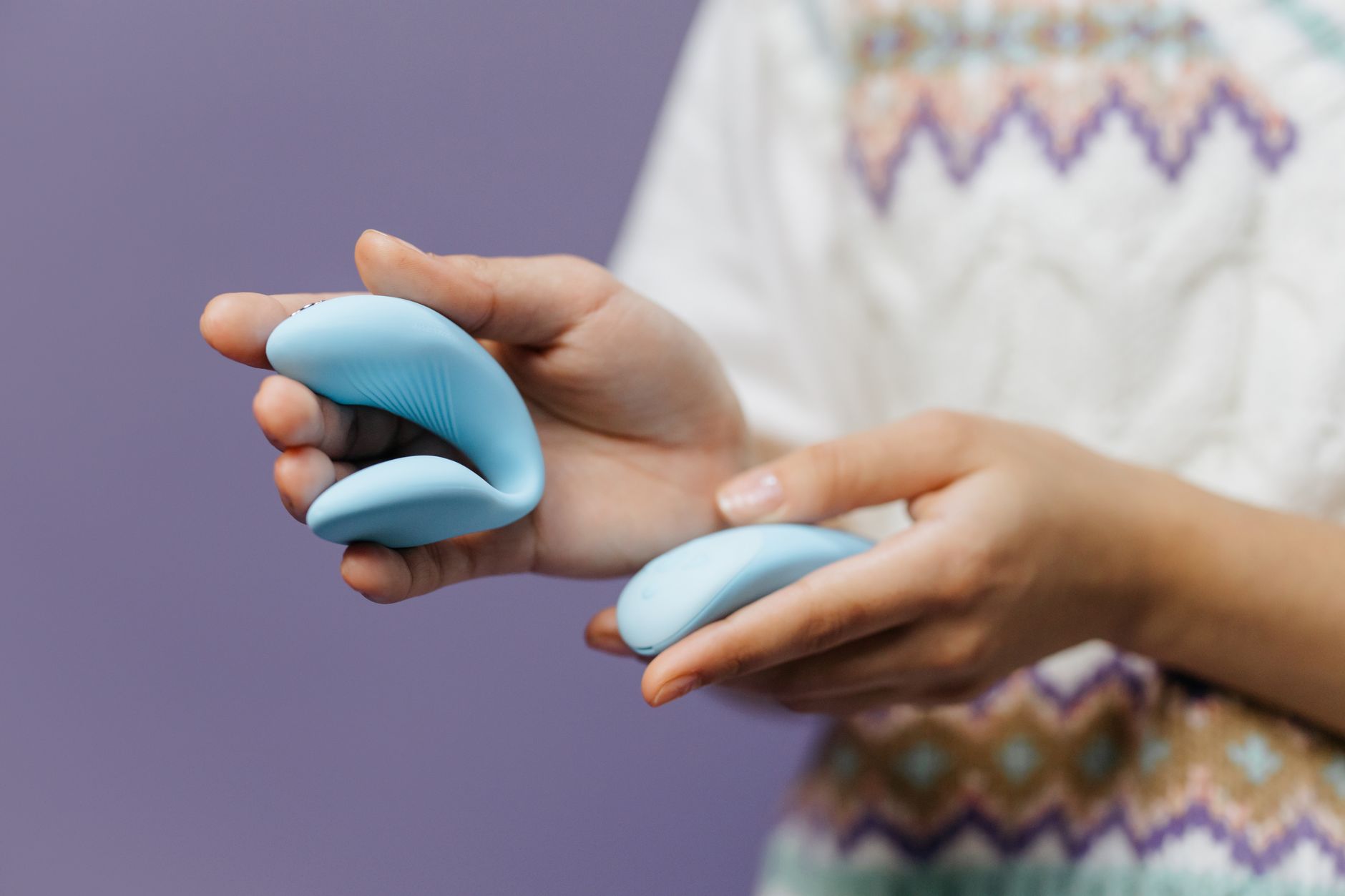
But here's what matters: rebuilding pleasure after betrayal is genuinely possible. It's not about "forgiving and moving on." It's about systematically teaching your nervous system that safety exists again. You can do that alone, at your own pace, with clitoral vibrators like the Lem vibrator designed for precisely this kind of recalibration.
Why Your Arousal Disappeared (It's Not Personal Failure)
When trust breaks, several things happen at once. Your prefrontal cortex—the part of your brain that says "this is safe, I can let go"—gets hijacked by your amygdala, which screams "danger." That's why you might feel arousal starting and then suddenly panic. Your body isn't malfunctioning. It's protecting.
Second, the partner who broke trust becomes a trigger. Even if you decide to stay and rebuild together, your nervous system needs retraining. You can't think your way out of this. You have to feel your way through it.
Third, shame often arrives uninvited. You might blame yourself for "not seeing it coming" or feel ashamed that you can't just flip back to pleasure. That's a trap. Pleasure isn't about performance or getting over it on schedule.
The First Step: Reclaiming Solo Sensation
Don't try to rebuild pleasure with your partner yet. That's the mistake most people make. They think "we should work through this together in bed," and it becomes a pressure situation that deepens the damage.
Instead, start alone. This is about your body learning that it can feel safe generating arousal independent of your partner's presence. Use a lemon sucker or clitoral vibrator in a space where you feel genuinely private and unhurried. Set a time when you're not waiting for anyone, not thinking about whether they're home soon, not performing.
Start with pattern one on your Lem vibrator. Not because you're broken or need to go slow (though you might), but because your nervous system literally needs lower-intensity input to retrain. High intensity too early registers as overstimulating rather than pleasurable. Your brain is already flooded with stress chemicals.
The goal here isn't orgasm. The goal is sensation. Can you feel the vibration? Can you notice where pleasure starts to emerge without immediately shutting down? That's the whole job.
Building the Container: Time, Privacy, No Goals
This matters more than the vibrator itself. Your nervous system needs consistency and safety cues. Pick a recurring time. Saturday mornings at 10 a.m., Thursday nights after everyone's asleep. Boring routine is actually brilliant for trauma recovery because it says to your body: this is safe, predictable, contained.
Make the space actually private. Not just "he's in another room." Actually locked door, phone on silent, no interruptions. Your amygdala needs zero surprises.
Ditch the goal mentality. Pleasure isn't the objective right now. Sensation is. You're rebuilding the neural pathway that says "this feels good and I'm safe." Sometimes that takes five sessions. Sometimes it takes thirty. There's no timeline.
Many of my clients report that using a lemon clitoral vibrator in this context becomes almost meditative. Not spiritual or mystical, but genuinely calming. The repetitive stimulation and the fact that you're choosing it, controlling the speed, turning it off whenever you want—that agency is crucial.
When to Add Your Partner Back Into the Equation
Only when you can reliably generate arousal alone without panic should you consider involving them. This might take weeks. It might take months. Neither is wrong.
When you do bring them back in, it's not about penetration or "real sex." It's about them being present while you use your vibrator. Not touching you, not directing, not doing anything except existing in the space and respecting your body's choices. This sounds minimal. It's actually profound. It's your nervous system slowly learning: "He's here and I'm still safe. I'm still in charge of my pleasure."
For some couples, this becomes permanent. They integrate toys into their sex life not because something's wrong, but because external stimulation actually feels better than what they were doing before. That's fine. That's actually common.
The Conversation You Need to Have (and When)
If you're rebuilding trust with the person who broke it, you'll need to talk about pleasure eventually. But the timing matters. Don't do it in bed. Don't do it when you're angry or fresh off a trigger. Do it somewhere neutral, clothed, when both of you have time.
Here's what to say: "My body needs time to feel safe again. I'm not punishing you. I'm protecting myself. I'm going to take my time rebuilding sensation alone first. When I'm ready, I'll let you know what that looks like." That's it. You don't owe detailed explanations of your healing process.
If your partner responds with impatience, defensiveness, or pressure, that's information. That tells you something about whether this relationship can actually rebuild trust. Your nervous system knows this already. Listen to it.
What You Might Feel (And What It Means)
As you start using lemon sexual toys or other clitoral vibrators in your solo practice, expect complexity. You might feel arousal and then suddenly tearful. That's not failure. That's your body processing. Let it happen.
You might feel anger mid-session. That's good. Anger is healthy. It means your nervous system is no longer just frozen in terror.
You might find that pleasure returns faster than you expected. That doesn't mean you've "forgiven" or that everything's fine. It just means your body's capacity for sensation is separate from your emotional processing.
You might also find that rebuilding alone, you lose interest in rebuilding with your partner. That's also information. Sometimes betrayal teaches us that we actually don't want to stay.
The Slow Rebuild of Shared Pleasure
If you decide to move forward together, expect this to be slower than the first time you were intimate. Your partner will need to prove safety repeatedly, not once. Not through grand gestures, but through consistent, boring, predictable respect of your boundaries.
This might mean he initiates less. It might mean you need him to wait for your signal. It might mean you use a Lem vibrator during partner sex, and that's the new normal. All of that is fine. All of that is healing.
Some couples find that working through this actually deepens their connection. They've stripped away the performance, the assumptions, the taking-each-other-for-granted piece. They've rebuilt from the foundation. It's not romance. It's something more durable.
When Professional Help Is the Right Call
If panic attacks interrupt your solo sessions, if you can't imagine ever feeling safe with your partner again, or if your partner shows no genuine remorse or willingness to change, see a trauma-informed therapist. Not because you're broken. Because sometimes healing requires more than solo practice and time.
A good therapist, particularly one trained in emotionally focused therapy, can help couples rebuild trust. A good therapist can also help you decide whether rebuilding is actually what you want.
Your pleasure matters. Your safety matters more.
FAQ
How long does it usually take to rebuild arousal after infidelity?
There's no standard timeline. Some people notice arousal returning within a few weeks of consistent solo practice. Others take several months. The key variable is your nervous system's readiness, not time itself. Regular, predictable sessions with a clitoral vibrator rebuild the neurological pathways faster than sporadic attempts. Most of my clients report noticeable shifts within 4-8 weeks, but "shifted" doesn't mean "back to normal." It often means "different and actually deeper."
Can you have pleasure with your partner if you haven't rebuilt it alone first?
Possible, but harder. Partner sex adds performance pressure and external stimulation, which triggers your already-hijacked nervous system. Solo practice removes those variables and lets your body simply practice safety and sensation. It's like learning to swim in a pool before the ocean. Both are swimming, but the training environment matters.
Is using a vibrator a sign the relationship is broken beyond repair?
Absolutely not. Using clitoral vibrators during healing is actually a sign of agency and self-knowledge. You're not waiting for your partner to "fix" your pleasure. You're taking direct control. That's healthy regardless of whether the relationship survives.
What if your partner feels threatened by vibrators?
That's a red flag worth taking seriously. A partner who can't tolerate you using a Lem vibrator for your own healing is communicating that your pleasure takes a back seat to his ego. That's not a foundation for trust rebuilding. A supportive partner gets it. He understands this is about your nervous system, not about him. If he doesn't, couples therapy might help him understand. If he refuses, you have your answer.
Can you rebuild pleasure if you decide to leave instead?
Actually yes, often faster. Leaving removes the daily trigger that your partner represents. You can rebuild sensation without the person who broke your trust present in your home. Many people find that using lemon vibrators or other clitoral vibrators becomes genuinely pleasurable once they're no longer in the environment with their betrayer. Your body knows the difference between breaking up and staying.
Does rebuilding pleasure mean you've "forgiven" your partner?
No. Pleasure and forgiveness are separate tracks. You can rebuild arousal capacity while still holding someone accountable. You can feel good sensations while also knowing you'll never fully trust them again. The goal isn't to feel the same as before. The goal is to reclaim your body as yours.
Sources and Further Reading
This article draws on evidence-based principles from emotionally focused therapy (EFT), trauma-informed care approaches, and attachment theory as applied to intimate relationships. For couples navigating infidelity, resources like Sue Johnson's "Hold Me Tight" and Harriet Lerner's "Why Won't You Apologize?" provide deeper frameworks. For individual nervous system recovery, somatic practitioners and trauma specialists like Bessel van der Kolk offer practical approaches to embodied healing.
If you're navigating this alone or with a partner, reaching out to a therapist trained in infidelity recovery can accelerate your healing. Your pleasure—and your safety—are worth the investment.