Let's talk about what stress actually does to your sex life
Years of stress don't just make you tired. They rewire your entire arousal system. Your nervous system gets stuck in fight-or-flight mode, which is basically the opposite of the relaxation required for pleasure. Blood flow redirects to your core muscles. Cortisol floods your bloodstream. Your brain literally cannot find the bandwidth for desire.
Then you feel broken. Or selfish. Or like there's something wrong with you. There isn't. Your body is working exactly as it was designed to. It's just stuck.
Here's what matters: this is reversible. But recovery requires more than a pep talk or a weekend away. You need a tool that teaches your nervous system how to feel safe enough to respond again. That's where a clitoral vibrator comes in.
How chronic stress disconnects you from pleasure
When you're under sustained stress for months or years, your parasympathetic nervous system (the one that handles rest and arousal) goes quiet. Your brain is running a loop of threat detection. That hypervigilance doesn't just affect your mood. It affects the physical sensations reaching your brain. You can touch yourself and feel nothing. A partner can kiss your neck and it registers as neutral static instead of pleasure.
This happens because arousal requires trust. Not just trust in your partner, but trust in your body itself. Stress demolishes that. Your body feels like it's working against you, not for you. So desire becomes harder to locate, harder to build, harder to finish.
The good news: sensation itself is still there. Your clitoral nerve density hasn't changed. The pathways are intact. You're just not getting the signal through because your nervous system is too busy managing threat.
Why clitoral vibrators work when you're recovering from stress
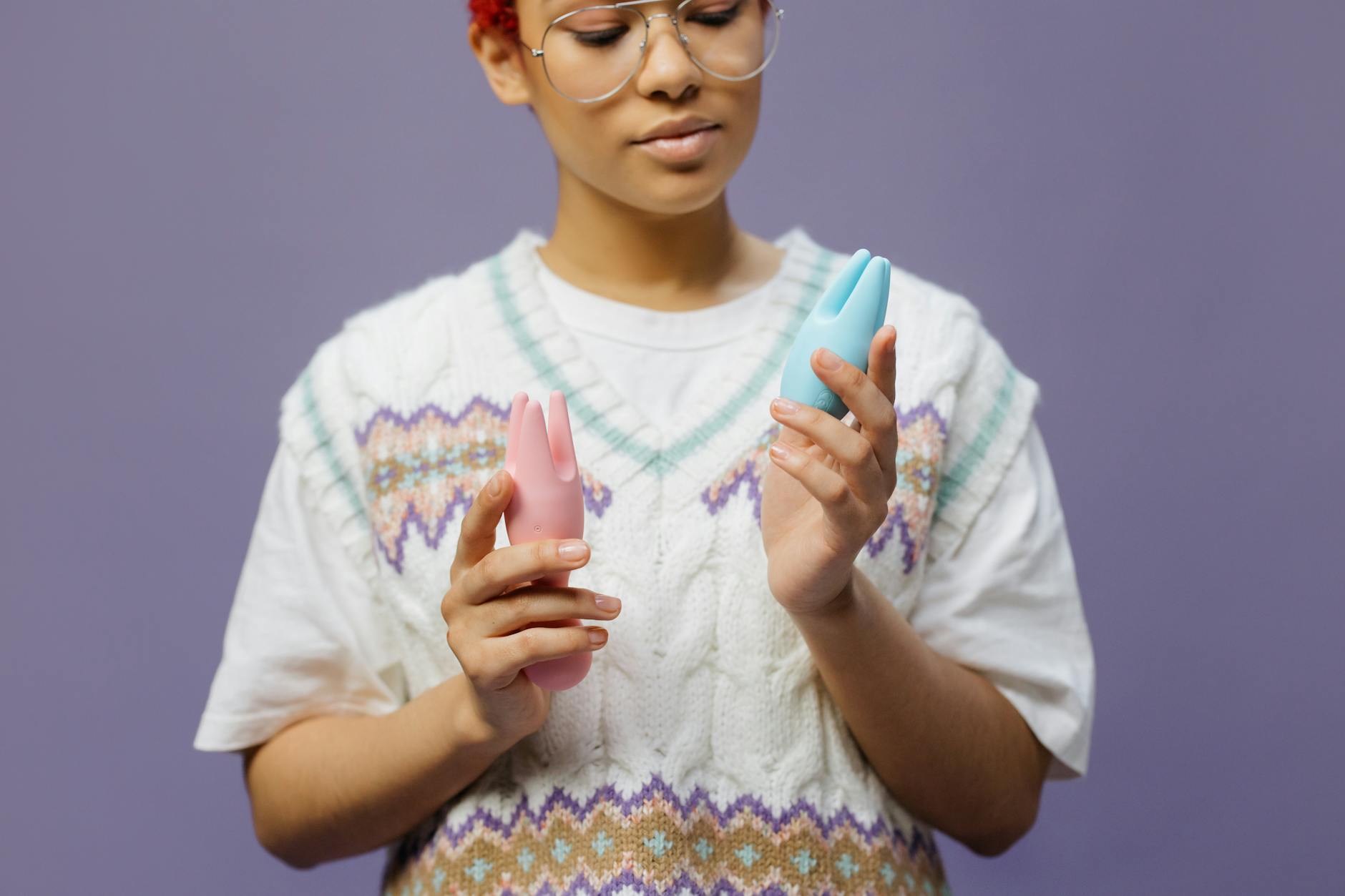
A quality clitoral vibrator like the Lem Vibrator does something important: it provides consistent, reliable stimulation that bypasses the cognitive load of trying to feel something. You don't have to generate the feeling yourself. The vibration is constant, focused, and predictable.
This matters because when your nervous system is in recovery, unpredictable sensation can feel threatening. It can actually deepen the disconnect. But a vibrator that delivers steady, controlled stimulation teaches your body that it's safe to feel. Gradually. Consistently.
The suction and pulse pattern of a lemon clitoral vibrator creates a unique sensation that doesn't require the same level of mental engagement that manual touch does. You can relax more. Your nervous system can start to recognize pleasure as safe, not as pressure.
Start with intention, not performance
Here's where most people get stuck: they approach recovery with the same achievement mindset that created the stress in the first place. You set a goal. You expect results. You feel disappointed when an orgasm doesn't happen.
That kills the recovery immediately.
Instead, approach this as nervous system retraining. The goal is not an orgasm. The goal is ten minutes where your body feels something other than numbness or pressure. That's success. Full stop.
Set aside time when you have zero external demands. No partner waiting. No phone buzzing. No task list in your head. This is time for sensation research, not performance. Many people find that a bath, gentle stretching, or five minutes of deep breathing before you even reach for a vibrator helps significantly. You're telling your parasympathetic nervous system: this is safe time.
The four-week reset protocol
This isn't complicated, but it does require consistency. Here's what I recommend to clients recovering from prolonged stress:
Week One: Sensation without expectation. Use your clitoral vibrator on the lowest setting for five to ten minutes, three times that week. Don't try to orgasm. Notice what you feel. Tingling, warmth, numbness, frustration, nothing. All of it is data. No judgment.
Week Two: Build confidence in your nervous system. Increase to ten to fifteen minutes, four times that week. Same goal: sensation, not outcome. You might start to notice patterns. Maybe certain times of day feel better. Maybe starting with clothes on first, then removing them, helps.
Week Three: Gentle progression. If you're feeling more sensation, experiment with a mid-range setting. Still no pressure to orgasm. You're teaching your body that pleasure is safe and available.
Week Four: Listen, don't force. By now, some people are having orgasms again. Others aren't yet, but feel significantly more sensation. Both are wins. Keep using a lemon clitoral vibrator regularly, even after sensation returns. This rewires the habit pathway, not just the sensation pathway.
What to do if pleasure still feels flat
If after four weeks you're still feeling nothing, two things are worth checking:
First, stress might still be active in your life. You can't rebuild arousal while your nervous system is still defending against real threat. If your job is still crushing you, or your relationship is still volatile, or you're still managing a crisis, recovery is going to be slow. A vibrator is a tool, not a miracle. Address the stress source if you can.
Second, numbing might be deeper than nervous system dysregulation. If you've been on antidepressants, hormonal birth control, or dealing with trauma, pleasure recovery takes longer and often benefits from professional support. Consider connecting with a therapist, ideally one trained in somatic therapy or trauma-informed care. They can work alongside whatever physical tools you're using.
The partner conversation
If you're rebuilding pleasure in a partnership, communication matters. Your partner might feel rejected or confused during this phase. Clarity helps: "I'm recovering my ability to feel sensation. This isn't about you. I need time alone with my body to rebuild that connection. Then we can rebuild it together."
Some partners want to help. That's often counterproductive early on. The goal of week one through three is your nervous system learning to feel safe with yourself. Adding partner involvement too early adds pressure, which is the opposite of what you need.
After week three, when sensation is returning, many couples find that using a clitoral vibrator together actually deepens connection. It removes the performance pressure because the vibration is doing the work, not your partner's hand or body. You can relax into pleasure instead of managing someone else's effort or expectations.
Building pleasure back into daily life
Once you've reconnected with sensation, the work is maintaining it. Pleasure atrophies fast when you stop practicing it. But here's the good news: regular vibrator use actually trains your nervous system to access pleasure more easily over time. The pathways get reinforced.
I recommend ongoing use, once or twice a week, even when stress isn't active. Think of it as nervous system maintenance. It keeps the relaxation circuits available. When new stress inevitably arrives, you'll have a better foundation to work from.
Many people also find that resuming pleasure with themselves actually improves their ability to be present during partnered sex. You're not desperate for the sensation because you already know how to access it. You can actually enjoy it instead of grasping for it.
When vibrators aren't enough
If you've been under chronic stress for years, pleasure recovery might benefit from additional support. I often recommend combining vibrator use with: breathwork or meditation to calm the nervous system; a therapist specializing in somatic work to process the stress itself; and sometimes medical evaluation to rule out hormonal changes or medication side effects.
You might also explore approaches like pelvic floor physical therapy, which addresses the muscular tension that chronic stress creates. Tight pelvic floor muscles literally restrict sensation. Releasing them opens up pleasure again.
There's no shame in layering approaches. Your body survived something hard. It deserves multiple tools to heal.
FAQ: Rebuilding Pleasure After Chronic Stress
How long does it actually take to feel pleasure again after years of stress?
It varies widely, but most people notice shifts in sensation within two to four weeks of consistent vibrator use. Full pleasure recovery, where desire and sensation feel natural again, often takes two to three months. The longer you were stressed, the longer recovery tends to take. But the process is usually faster than people expect because the nervous system is genuinely capable of retraining.
Can a clitoral vibrator help if stress is still happening in my life?
Yes, but it's like trying to heal a wound while you're still banging it. The vibrator will help, but recovery will be slower and less stable. It's worth addressing the stress source simultaneously if you can. Even small changes to workload, relationship dynamics, or daily schedule can improve your nervous system's capacity to feel pleasure.
Is it normal to feel nothing the first few times I use a lemon clitoral vibrator?
Completely normal. Numbness often gets worse before it gets better because your body is registering a new sensation and your stressed nervous system has to decide if it's safe. Many people report that week two or three feels different. The key is consistency, not intensity. Don't jump to a higher setting because you're frustrated.
Should I use a clitoral vibrator during partnered sex while I'm rebuilding pleasure?
It depends on where you are in recovery and what feels comfortable. In weeks one and two, solo use usually helps more because there's no external pressure. By week three or four, if sensation is returning, some couples find that incorporating a vibrator into partnered time actually deepens connection. Talk about it first. Make it collaborative, not something that happens to you.
What if my partner feels threatened by me using a clitoral vibrator?
This is worth addressing directly. Many partners worry that a vibrator means they're not enough, which is both common and untrue. You might explain that you're retraining your nervous system to feel pleasure again, and the tool helps with that. The goal isn't replacement, it's recovery. Some partners feel less threatened when they understand it as medical support, like physical therapy. Others benefit from using the vibrator together so it feels collaborative.
Does using a lemon sexual toy mean I'll become dependent on vibration for pleasure?
No. Regular use actually trains your body to access arousal more easily overall. Some people worry about sensitivity changes, but the opposite usually happens: as your nervous system heals, your ability to feel pleasure from diverse types of touch expands. The vibrator is a bridge back to your own capacity, not a replacement for it.
You deserve to feel pleasure again
Chronicstress steals a lot. It takes your time, your energy, your peace. Don't let it steal this too. Your ability to feel pleasure is still there. Your nervous system just needs permission and consistent practice to remember how. A tool like the Lem Vibrator, combined with patience and the space to heal, can be exactly what you need to rebuild that connection.
You're not broken. You're recovering. There's a real difference.