
The disconnect that confuses everyone
Here's the thing that nobody talks about clearly enough: you can be wildly attracted to someone and have zero physical arousal in response. Not because you don't want them. Not because the attraction isn't real. But because somewhere in your nervous system, the wires got crossed.
I see this all the time in my practice. A partner walks in looking genuinely attractive, and nothing happens. The body stays flat. The brain starts spinning stories about what that means, which usually makes it worse. But the disconnect between attraction and arousal is real, common, and fixable.
Why the circuit breaks
Attraction lives in the thinking brain. It's cognitive. You see someone, you register: attractive. That's a conscious evaluation. Arousal, though, lives in the nervous system. It's automatic, like your heartbeat. And when you're stressed, disconnected, or stuck in a loop of trying too hard, the automatic pathway shuts down even when the cognitive one works fine.
This happens especially after years of a relationship. Early on, arousal is kind of a hair-trigger thing. You think about your partner and it happens. Over time, if you've been through conflict, distance, or periods where sex became transactional or obligatory, that automatic pathway gets worn down. The attraction is still there. The arousal machinery just stopped recognizing the signal.
Stress plays a massive role too. When you're chronically activated—overworked, worried about money, managing kids, all of it—your nervous system stays in a semi-frozen state. Attraction doesn't create arousal in that state. Nothing does, really. But the attraction is still operating independently.
How a clitoral vibrator bridges the gap
Here's where a device like the Lem comes in. And this is important to understand correctly: it's not a replacement for attraction or desire. It's a circuit-breaker.
When you use a lemon clitoral vibrator solo—and I really mean solo here, not with a partner present initially—you're teaching your nervous system that it's safe to access arousal independent of external stimuli. You're essentially giving your body permission to wake up that automatic pathway without waiting for it to trigger on its own.
The Lem works particularly well for this because suction stimulation creates a different kind of pressure and movement than fingers or conventional vibration. That newness, that different stimulus, can actually bypass some of the protective shutdown your nervous system has built. It's not magic. It's neurology.
The three-phase rebuild
Phase one is solo and judgment-free. Spend a few sessions using the Lem (I'd suggest patterns 1 through 3 to start) just focusing on sensation without any outcome expectations. Not trying to orgasm. Not thinking about your partner. Just noticing what your body can feel when nothing else is on the table.
Phase two is still solo, but with some conscious imagery. After a few solo sessions, start bringing your partner into your thoughts while you use the vibrator. Not during sex with them. Just solo time, you and your Lem, and you're letting your brain's attraction recognition link up with the physical sensation you're generating. This rewires the connection in a safe context.
Phase three is gentle reintroduction with a partner, but differently than before. Instead of expecting arousal to happen during partnered sex, try using the Lem together first. Your partner touches you while you use the device. Or you guide their hand while you use it. The point is you're teaching your body that attraction plus external touch plus this particular sensation equals arousal. You're rebuilding that circuit with intention.
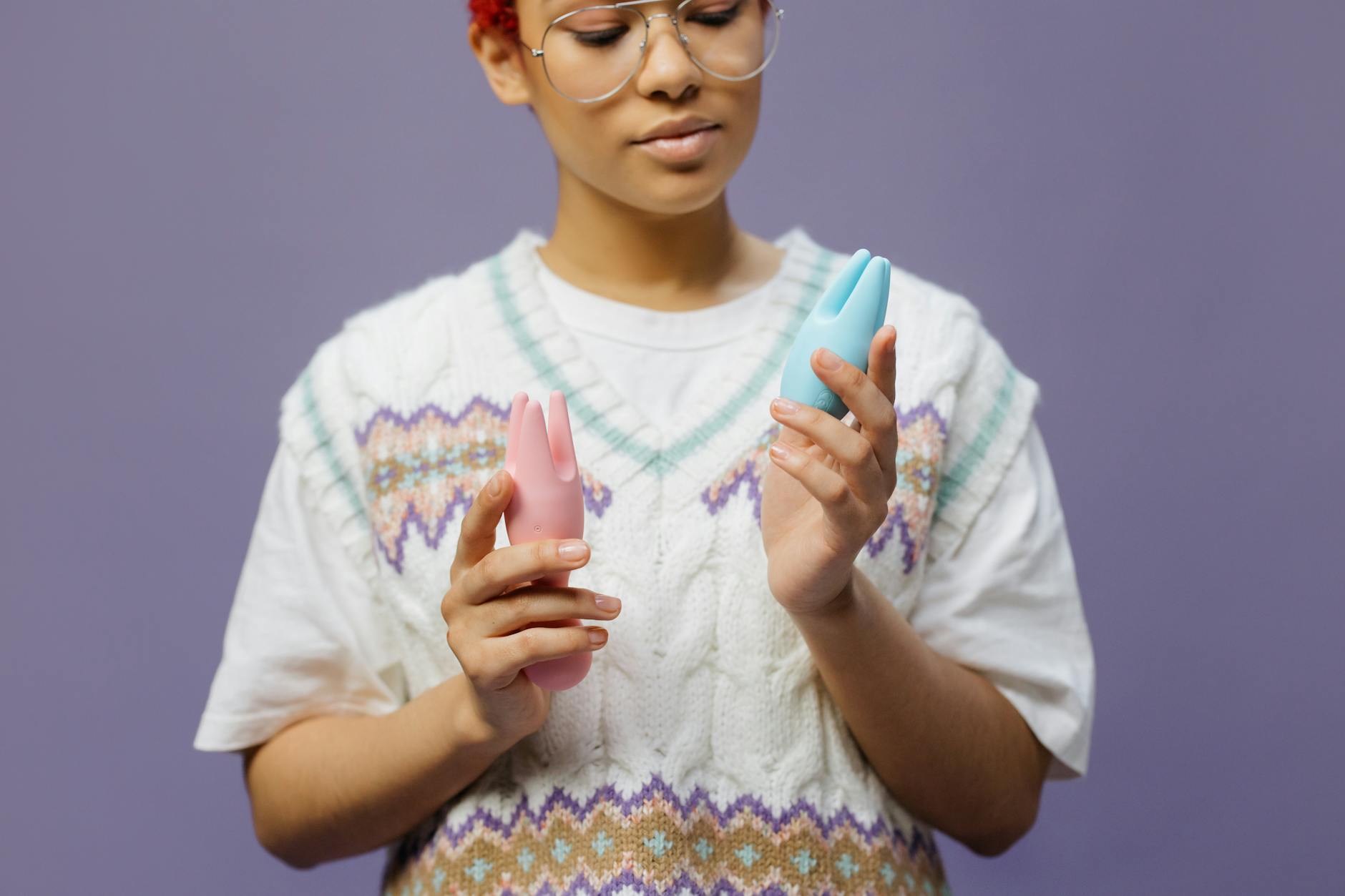
Photo by cottonbro studio on Pexels
What to tell your partner
Most people get really quiet and ashamed about this kind of disconnect. You end up not saying anything, which turns into resentment or performance anxiety, which makes the whole thing worse. Your partner is probably already sensing something is off.
Frame it this way: "My body's not connecting to arousal the way it used to, and I want to fix it. I'm going to spend some time understanding my own response first, and then I'd like us to explore something together." That's it. You're not blaming them. You're not saying the attraction isn't real. You're naming a problem and taking action.
If they're defensive or unsupportive, that's actually important information. Sometimes this disconnect isn't just nervous system stuff. Sometimes it's a sign that the relationship itself needs work. That's worth exploring with a couples therapist or by having some harder conversations. But often, your partner will actually be relieved that you're taking this seriously instead of just ghosting them emotionally.
The nervous system part matters more than you think
When I work with couples on this specific issue, the thing that shifts things fastest isn't more sex or better foreplay. It's usually nervous system regulation. If you're chronically stressed, the arousal pathway stays suppressed no matter what. So while you're using the Lem to rewire the attraction-to-arousal connection, also consider whether you need to address what's keeping your nervous system locked down.
That might mean sleep. It might mean cutting back on caffeine or alcohol. It might mean actual breathing exercises before intimate moments. It might mean one evening a week where work doesn't exist. Small things that signal safety to your body. Then arousal has a chance to emerge.
When to know it's working
You'll notice the shift gradually. First, you'll feel more sensation when you use the lemon clitoral vibrator solo—not necessarily stronger orgasms, just more present. Then you'll notice your body responding a little faster when your partner touches you. Then one day, before anything physical has happened, you'll notice the thought of them actually creates a physical response. That's the circuit reconnecting.
This doesn't always take long. Some people rebuild it in a few weeks. Others need a couple of months. It depends on how long the disconnect has been in place and how much stress you're carrying. Patience with the process matters more than speed.
The long-term piece
Once the circuit is reconnected, it needs maintenance. That doesn't mean constant sex or constant devices. It means continuing to check in with your body, continuing to prioritize time with your partner, and continuing to treat arousal as something worth protecting. When life gets overwhelming again, couples tend to drop physical intimacy, which is exactly when the nervous system needs it most.
Using a lemon sexual toy now and then, solo or partnered, is actually just good maintenance. It keeps that pathway active and reminds your body that pleasure is available to you. That's not a dependency. That's smart nervous system care.
FAQ
Can this disconnect happen even if I love my partner?
Absolutely. Love and arousal are different systems. You can have deep emotional connection and zero physical response. The disconnect isn't about the relationship being broken. It's about the nervous system losing the signal. That's actually good news because it means the fix doesn't always require a relationship overhaul. Usually it just requires rebuilding one specific pathway.
How long does it take for a lem vibrator to help reconnect arousal and attraction?
Most people notice a shift in sensation and comfort within two to three weeks of consistent solo use. Feeling that connection translate to partnered moments usually takes another few weeks. The full rewiring can take two to three months, but you'll see incremental progress if you're paying attention. What matters is consistency, not intensity.
Is using a clitoral vibrator going to make me less responsive to my partner?
No. It's the opposite. By teaching your nervous system that arousal is accessible, you're actually making it more responsive overall. The device is a teacher, not a replacement. Once your body remembers how to get aroused, that capacity extends to partnered touch too. You're not building a dependency on the vibrator. You're reminding your nervous system of an ability it already has.
What if we try this and nothing changes?
Then the disconnect is probably pointing to something bigger. Sometimes when arousal and attraction are truly mismatched, it's a sign of relationship issues that need actual conversation or couples therapy. Sometimes it's a deeper nervous system issue that needs professional support. Sometimes it's hormonal. If you've given this genuine effort for a few months and the circuit isn't reconnecting, that's worth bringing to a therapist rather than pushing harder alone.
Should I use the Lem during partnered sex or before?
Start with solo use to establish the sensation. Then shift to using it together. Some couples find it works best if one partner uses the device solo first to get aroused, then transitions to partnered activity. Others like using the Lem during partnered sex. There's no single right way. The key is that your nervous system gets used to linking attraction, arousal, and physical sensation. The context matters less than the consistency.
Can stress alone cause this kind of disconnect?
Yes, absolutely. Chronic stress keeps the nervous system in a protective state. When you're stressed, your body prioritizes survival over pleasure. Adding a device won't fix that alone. You have to address the stress too. That might mean therapy, lifestyle changes, boundary-setting with work, or just naming that you're overwhelmed and need to prioritize your nervous system. The Lem is a tool. But so is rest, so is honesty with your partner, so is real support.
The disconnect between attraction and arousal is one of the more fixable relationship problems I see. It usually isn't about wanting your partner less. It's about a circuit that got interrupted. Once you understand that, you can actually do something about it. A clitoral vibrator is one smart tool for that rewiring. And sometimes the breakthrough happens faster than you'd expect when you give your nervous system permission to respond again.