Here's the thing about desire and emotional intimacy
They're not the same thing, but they're deeply connected. You can have one without the other for a while. You can't have neither for long without noticing something's missing.
Intimacy
When the emotional connection dims, desire often follows. Here's how clitoral vibrators help rebuild both.
They're not the same thing, but they're deeply connected. You can have one without the other for a while. You can't have neither for long without noticing something's missing.
I work with couples where emotional distance has created sexual distance. One partner says "I don't feel like having sex anymore." The other hears "You're not attractive to me anymore." Neither is usually true. What's true is that when you stop feeling seen by someone, your body stops wanting to be vulnerable with them.
Desire requires a baseline of safety. Not safety from physical danger, though that matters too. Safety to be witnessed. Safety to be wanted. Safety to want someone back without shame or rejection.
When emotional intimacy erodes, that safety disappears. You might be in the same bed but feel fundamentally alone. Sex becomes another place where you're not connecting, which makes it feel even more isolating than before.
This is different from a partner wanting sex less often, or your orgasms feeling weaker, or arousal taking longer. This is your brain putting desire on hold because it's protecting you. And that's actually a sign the system is working as it should.
Here's what I've learned working with couples in this position: sometimes the fastest way back to partnered intimacy is through solo pleasure.
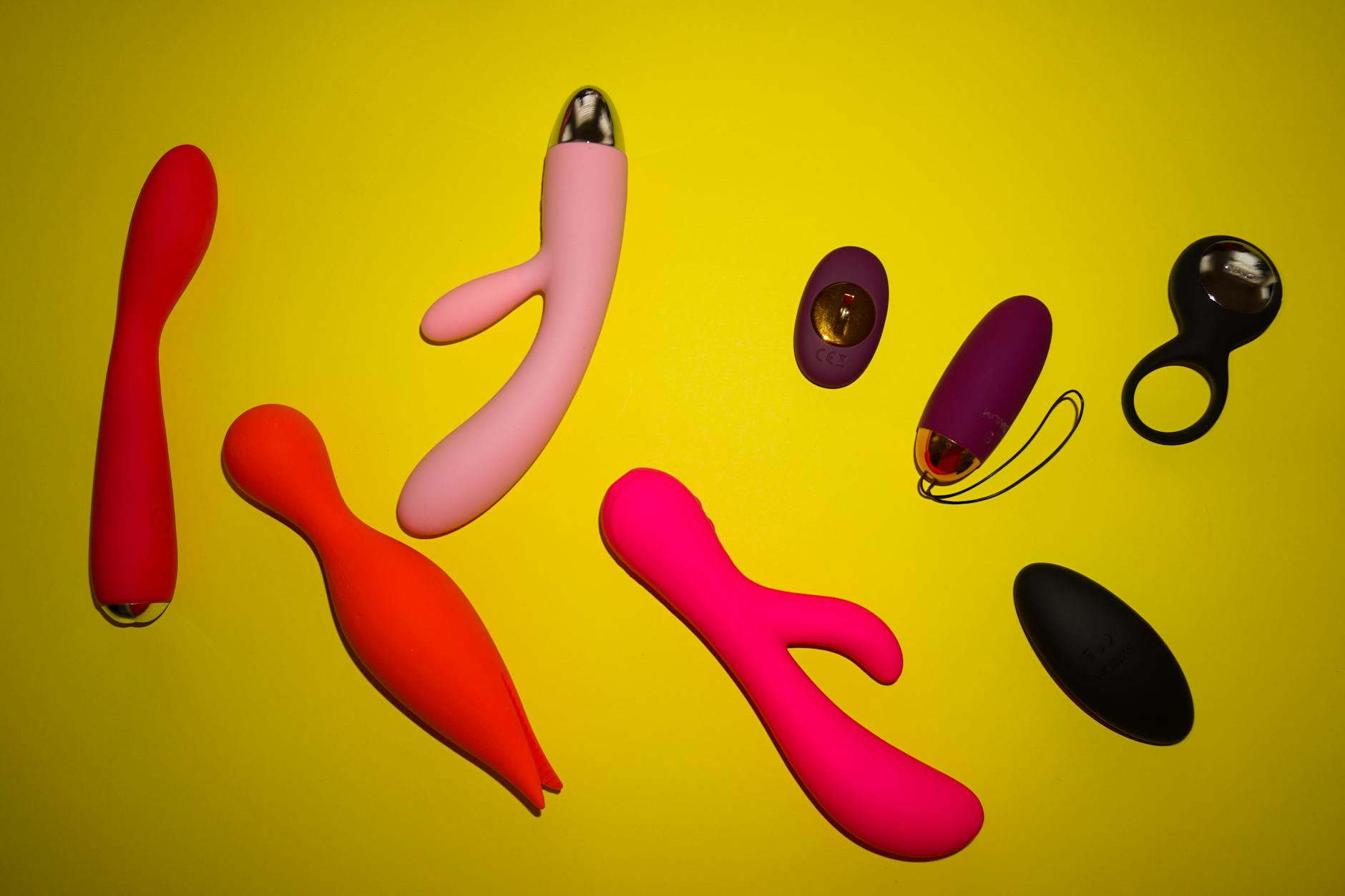
That sounds counterintuitive. But what happens when you use a tool like a Lem Vibrator is you're rebuilding your relationship with your own pleasure, independent of your partner's approval or presence. You're reminding your nervous system that your body deserves attention. That pleasure isn't a performance for someone else. That you're allowed to feel good without permission.
That reclamation matters more than you might think.
When you're using a lemon clitoral vibrator solo, you're creating space where your brain isn't scanning for rejection or signs of disconnection. You're not managing someone else's expectations. You're not negotiating. You're just feeling what your body wants. That rebuilds trust between you and yourself.
And here's the clinical part: when you rebuild that internal trust, you have more emotional bandwidth to address the actual disconnection with your partner.
1. Separate sex from emotional reconnection (at first).
Don't make solo pleasure the gateway back to partnered sex. That puts too much pressure on both. Instead, use it as a way to remind yourself that desire still lives in your body, separate from the relationship struggle. Spend 2-4 weeks prioritizing solo sessions with your lemon sucker vibrator. No end goal of partnered sex. Just you and what feels good.
2. Address the emotional distance directly, not through sex.
If you and your partner are going to rebuild desire together, you have to rebuild conversation first. That might sound obvious, but most couples try to fix the sex and hope the conversation comes after. It doesn't work. Pick one small, low-stakes thing you've stopped talking about. Start there. This is where a relationship therapist becomes invaluable.
3. Rebuild touch that isn't sexual.
One of the first things that disappears when emotional intimacy erodes is non-sexual affection. Holding hands. Hugs. Sitting close. These aren't filler. They're the nervous system repair work that makes sexual desire possible. Start there. Commit to 5-10 minutes of non-sexual touch daily. That's conversation with your body and theirs.
If you're solo, the mechanics are straightforward. A Lem is designed for simplicity. You control the intensity, the pattern, the duration. Low expectations.
But here's what I want you to think about while using it:
You're not trying to orgasm on a timeline. You're reacquainting yourself with sensation. With what turns you on. With your own pleasure as a fact, separate from your partner's opinion.
Start at the lowest setting. Notice what feels good. Let your brain relax into the pleasure without performing it. This is basic nervous system regulation, and it matters.
If you and your partner are rebuilding together, lemon vibrators can play a role in reconnection, but the vibrator isn't the fix. It's a tool that takes pressure off. It can help you both relax into touch again because you're not relying entirely on manual stimulation or your partner's endurance. It lets you both focus on presence instead of mechanics.
I want to be direct about this. If emotional intimacy has seriously eroded, a clitoral vibrator won't fix it. Neither will communication tips or a date night or reading articles like this one.
What helps is commitment from both people to actually do the work. That usually means therapy. A good couples therapist trained in emotion-focused models can help you understand where the disconnection started and how to rebuild it.
Desire will follow. It almost always does, once you've rebuilt the safety.
Sometimes couples describe this as emotional distance when what's really happening is something more specific. One partner was hurt in a previous relationship and has shut down. Someone's struggling with depression or anxiety and has withdrawn. There's an unspoken resentment about how household labor is divided. Career stress is making someone emotionally unavailable.
These aren't relationship failures. They're moments where outside support helps. A therapist, a medical provider, a coach.
Solo pleasure with tools like a Lem Vibrator can exist alongside that support. It's not either/or. It's both. Take care of yourself while you're doing the work.
Not every relationship that loses emotional intimacy regains it. Sometimes the disconnection is revealing something real. One person has changed. The values no longer align. The hurt runs too deep.
If you've been working on reconnection for 6-12 months and there's still no movement, no willingness from your partner, no progress in therapy, that's information. Not failure. Information.
Your pleasure matters whether you're in a relationship or rebuilding after one ends. Solo intimacy with a lemon clitoral vibrator isn't a consolation prize. It's a foundation.
For some couples, rebuilding emotional intimacy takes months. For others, it's a few years of patient work. Some relationships don't make it, and both people are relieved. Some do, and desire comes roaring back in ways neither person expected.
What I know is this: desire doesn't disappear because you've stopped loving someone. It disappears because you've stopped feeling safe with them. And safety is something you can rebuild, if both people want to.
Start with yourself. Use your Lem Vibrator. Remember what pleasure feels like without negotiation or performance. Then bring that reclaimed self to the actual work of reconnection with your partner.
That's the real long game.
Emotional disconnection usually comes with a specific feeling: loneliness in the relationship. You might feel unseen, unheard, or like you're managing your partner's emotions instead of being close to them. Other causes of low desire feel different. Hormonal shifts feel more like a baseline flatness. Stress feels like mental noise. Relationship disconnect feels like isolation even in the same room. Pay attention to which one resonates.
Depends on the couple. A tool like a Lem Vibrator can help you both relax into pleasure without performance pressure. It can remind you that sensation is possible. But it can't rebuild emotional intimacy by itself. That's conversation, therapy, and time. The vibrator is a supporting tool, not the main event.
That depends on your relationship and your agreements. Some couples find transparency supportive. Some find it brings up feelings of inadequacy. I'd suggest having a conversation framed as "I'm taking care of my own pleasure and my nervous system while we're working on us" rather than hiding it or making it a secret. The healthiest approach is whatever feels honest to both of you.
There's no standard timeline. I've worked with couples who rebuilt connection in 3-4 months of consistent therapy. I've worked with couples who took 2-3 years. It depends on how long the disconnection lasted, whether there's been betrayal or unresolved hurt, and how committed both people are. The couples who move fastest are the ones who start addressing it early and get professional support.
Completely normal, and it's actually useful information. It suggests that your nervous system is okay with pleasure in a controlled, safe environment (solo) but isn't feeling safe in the partnered context. That points you toward the real work: rebuilding safety with your partner. Keep using your vibrator. Keep working on the relationship separately. Don't confuse the two.
Then something else might be at play. Hormonal shifts, medication side effects, untreated depression or anxiety, or a mismatch in how you and your partner define desire. That's when additional support from a doctor or sex therapist helps. Emotional intimacy is necessary for desire but not always sufficient. Sometimes you need to address the physical or neurochemical side too.
Emotional intimacy and desire are a feedback loop. One feeds the other. When one disappears, you notice the absence of both. But they can be rebuilt separately and then together.
Start with yourself. Invest in your own pleasure and your own nervous system repair. Then invest in the relationship work. Use tools like a Lem Vibrator not as a band-aid but as part of a larger commitment to reconnection.
If you're unsure where to start or what your next step looks like, let's talk. You can reach out at /contact, and we can figure out what support makes sense for your situation.