Let's be real about stress and desire
Prolonged stress doesn't just make you tired. It literally hijacks your nervous system. Your body stays in fight-or-flight mode, which means the parasympathetic pathways needed for arousal get downregulated. Desire doesn't vanish because you're broken. It vanishes because your nervous system is in survival mode, and pleasure isn't on the survival agenda.
Then one day, a project ends. The crisis passes. The weight lifts even slightly. And you notice something: you want to feel good again. Your body is asking for pleasure. But here's what most people don't anticipate: after months or years of sexual numbness, reawakening your pleasure response isn't the same as it was before. It requires a reset, not just a return.
The neurobiology of post-stress arousal
When stress is chronic, cortisol stays elevated, which suppresses dopamine and suppresses the hormone signals that trigger desire. Your clitoral tissue also becomes less sensitive because blood flow has been diverted to survival organs. Your pelvic floor tightens reflexively. The vagus nerve, which governs relaxation, gets stuck in activation mode.
When the stressor lifts, your nervous system doesn't flip a switch immediately. Healing is gradual. Some people report that desire returns suddenly. More often, it returns in waves, inconsistently, requiring patience.
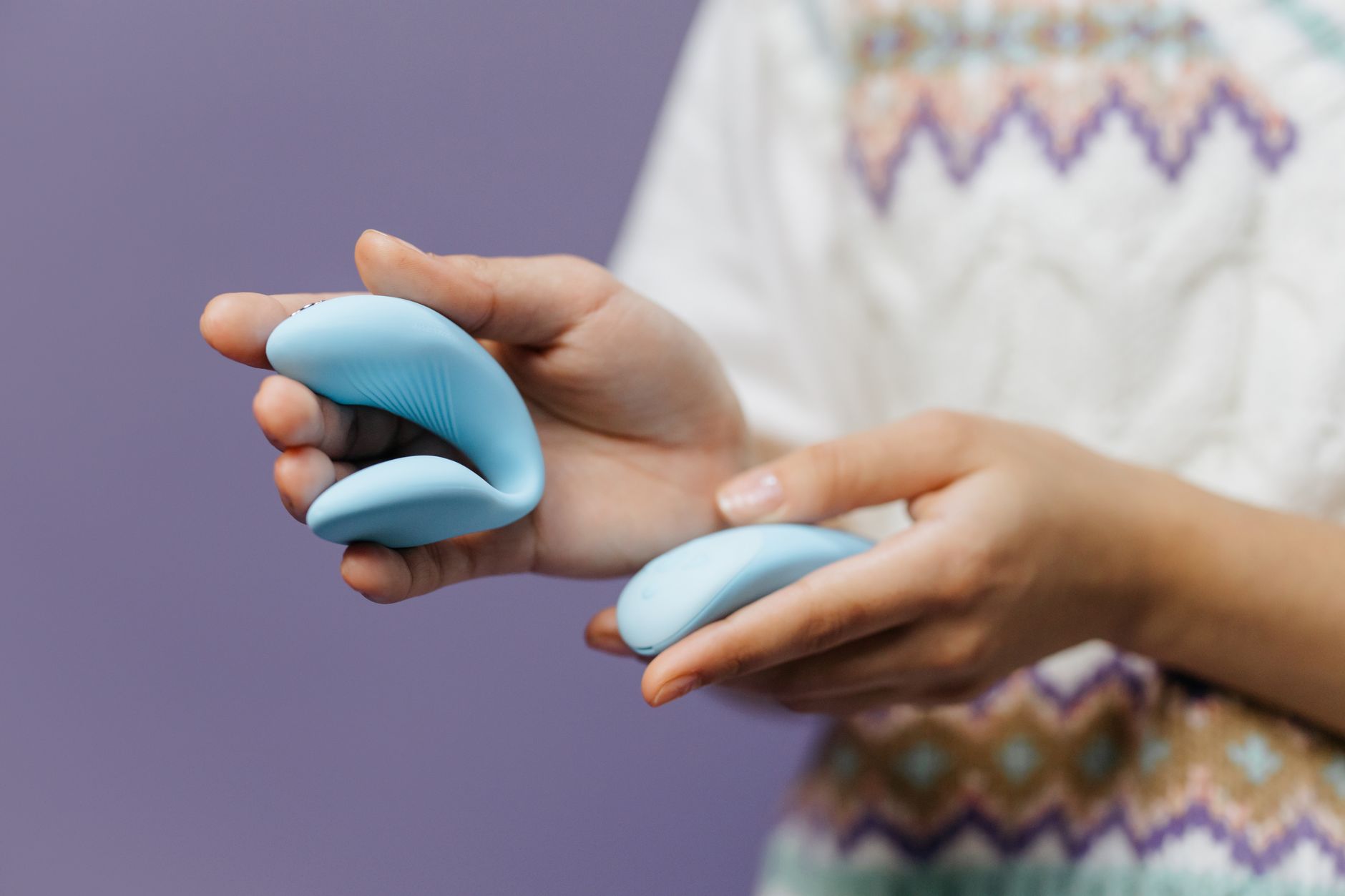
This is why jumping straight back into your old pleasure patterns can feel jarring or even impossible. Your body needs to relearn that sensation is safe. A clitoral vibrator like the Lem is actually ideal for this phase because its suction mechanism works with your body's natural arousal pattern rather than forcing intensity your nervous system isn't ready for yet.
Why the Lem works when you're rebuilding
The Lem operates through gentle suction rather than buzzing vibration. This matters enormously during recovery. Here's why:
Traditional vibrators deliver stimulation through friction and frequency. After prolonged stress, this can feel overstimulating because your clitoral nerves are hypersensitive to sudden input. Suction, by contrast, creates a gentler pressure gradient that mimics the natural rhythm of arousal. Your body recognizes it as a familiar sensation pathway, which makes reactivation feel less shocking.
Second, suction requires less direct contact pressure, which is crucial if your pelvic floor has been chronically tight. The Lem's design means you're not grinding or pressing against tense tissue. You're coaxing it open gradually.
Third, and this matters: the suction pattern is more forgiving of inconsistency. With traditional vibrators, if you're not fully aroused, the sensation can feel wrong. With the Lem, lower levels of arousal still register as pleasurable because the stimulation is working with your body's own lubrication and blood flow response, not against it.
The three-phase rebuild plan
Phase One: Nervous System Settlement (Week 1-2)
Your first goal isn't orgasm. It's safety. Spend this phase doing solo sessions with no pressure to feel anything specific. Set aside 15-20 minutes when you're actually relaxed, not just "not busy."
Start with the Lem on its lowest setting. The point is to introduce your body to sensation without demand. Many people find it helpful to use a water-based lubricant even if they don't think they need it. Lubrication itself is a signal to your nervous system that this is a pleasure activity, not a clinical one.
Don't aim for orgasm. If it happens, fine. If not, also fine. The win here is that your body began to remember that sensation can feel good and safe simultaneously.
Phase Two: Sensation Mapping (Week 3-4)
Once your nervous system has settled around low-intensity stimulation, expand your exploration. Try different speeds on the Lem. Notice what your body gravitates toward. Many people discover that after stress recovery, they prefer medium intensities rather than the highest settings they used before.
This is normal and not a setback. Your pelvic floor is still learning to relax. Your clitoral tissue is still rehydrating. Give yourself permission to discover your new baseline.
Add a simple ritual: light music, a space where you won't be interrupted, maybe a scent that feels grounding (not seductive, just pleasant). Your nervous system is still in a mild hypervigilance state. Environmental safety signals help it downregulate further.
Phase Three: Reintegration (Week 5+)
By now, solo pleasure should feel less jarring. If you have a partner, this is where communication becomes essential. Let them know you're rebuilding. Set expectations that reconnection will be gradual and that there may be sessions where you start and decide to stop. This is not failure. This is your nervous system recalibrating in real time.
You might begin incorporating the Lem with partner presence. This doesn't have to mean traditional partnered sex. It might mean your partner is in the room while you explore. It might mean they're present but not touching. The goal is to slowly reintegrate pleasure into a relational context, not just a solo one.
What to watch for during recovery
Some sensations will feel weird or even mildly uncomfortable at first. A slight achiness in the pelvic floor after sessions is normal as those muscles learn to relax. A sensation of "something's off" even though nothing hurts is normal. Your nervous system is literally rewiring.
But sharp pain, significant discomfort during or after use, or a sensation that your body is forcing a response are signs to pause. Stress can sometimes mask pelvic floor dysfunction or other issues that need clinical attention. If something feels actually wrong (not just unfamiliar), check in with a pelvic floor physical therapist or your GP.
Also watch the story you tell yourself. After prolonged stress, people often assume they've "lost" their sexuality or that something is permanently broken. You haven't. Your system is just rebooting. Recovery isn't linear, and desire doesn't return on a predictable timeline. Some days will feel more available than others. This is recovery, not relapse.
Rebuilding with a partner
If you're in a relationship, the stress that killed your desire probably affected your partner too. They may have felt the rejection or distance. They may have started to doubt your attraction to them. There's a lot of emotional terrain to clear before physical reconnection lands well.
This is a conversation separate from the physical rebuild. The good news: how to rebuild sexual connection after emotional distance grows during midlife offers a deeper dive into reconnection after these transitions.
For the physical part, transparency helps enormously. Tell your partner: "I'm using the Lem to help my body remember what pleasure feels like. This isn't about you. It's a reset. As I relearn my own arousal, I'll have more capacity to reconnect with you." Most partners respond well to this because it positions pleasure as something you're actively building, not something you're withdrawing from them.
The timeline reality check
Some people feel desire return within weeks of stress lifting. Some take months. Some find it takes 3-6 months to fully rewire their nervous system and feel their baseline pleasure response returning. This isn't slow healing. This is normal healing.
One thing that accelerates recovery: consistency without pressure. Showing up to your own pleasure twice a week, no agenda, works better than sporadic marathons trying to "catch up." Your nervous system learns safety through predictability.
Another accelerator: reducing ongoing stress. If the major stressor is gone but chronic low-level stress remains (a job you hate, a relationship that drains you, financial worry), your recovery will plateau. The nervous system won't fully downregulate while threat signals persist. Address what you can in your external life, because pleasure is impossible when your system is still in defense mode.
FAQs
How long does it actually take for desire to come back after stress?
It depends on how long the stress lasted, how intense it was, and your individual nervous system. A few months of stress might resolve in weeks. Years of chronic stress might take 3-6 months to rewire. The pattern matters more than the duration. If stress was cyclical with breaks, recovery is often faster. If it was relentless, your nervous system needs more time to believe the threat has actually passed.
Will my desire feel the same as before?
Often not, and that's fine. Many people report that post-stress desire feels different in good ways: less performative, more rooted in their body, sometimes more intense. Some find their taste in stimulation has shifted. This isn't loss. It's evolution.
Can I use the Lem if I'm still dealing with active stress?
Yes, but manage your expectations. Pleasure is harder to access when your nervous system is still in threat mode. If you're still in the middle of the crisis, pleasure might feel forced or numb. As stress lifts, even slightly, your capacity returns. Use the Lem as a grounding tool rather than an arousal tool. Sometimes just feeling your body respond to safe stimulus helps the nervous system begin to downregulate.
What if I try using the Lem and feel nothing?
Numbness is part of stress recovery. Your body might respond physically (lubrication, clitoral engorgement) while your brain feels emotionally flat about it. This is completely normal. Keep showing up without expectation. Sensation and emotion reconnect gradually. The numbness will lift, but not on a predictable timeline.
Should I use the Lem alone or with a partner during recovery?
Start alone. Solo sessions let you explore without worrying about your partner's experience or pace. Once you've rebuilt your own pleasure response and feel confident in what you want, add partner presence or participation. This prevents retraumatizing your nervous system by mixing pleasure with relational anxiety.
Is it normal to feel emotional or cry during or after using the Lem after a stressful period?
Completely normal. Releasing pleasure often releases emotion that's been held in your body during the stress. Your nervous system is returning to parasympathetic mode, which is when emotions that were suppressed during fight-or-flight can surface. Let it happen. Cry, feel, rest. This is part of healing.
How do I know when I'm ready to add partner participation back in?
You're ready when solo pleasure feels reliably available and pleasurable, when you can reach orgasm or arrive at arousal without forcing it, and when the thought of partnered touch no longer triggers anxiety. This usually takes 4-8 weeks, but again, individual timelines vary. Trust your body's readiness, not a calendar.
The real bottom line
Desire doesn't vanish because you're broken. It disappears because your nervous system needed to survive. When survival mode releases, pleasure can return. But it returns on your body's timeline, not your impatience's timeline. The Lem is designed for exactly this moment: when your body is ready to feel good again but needs a tool that meets you where you are, not where you think you should be.
Your desire hasn't abandoned you. It's just waiting for your nervous system to feel safe enough to let it back in.