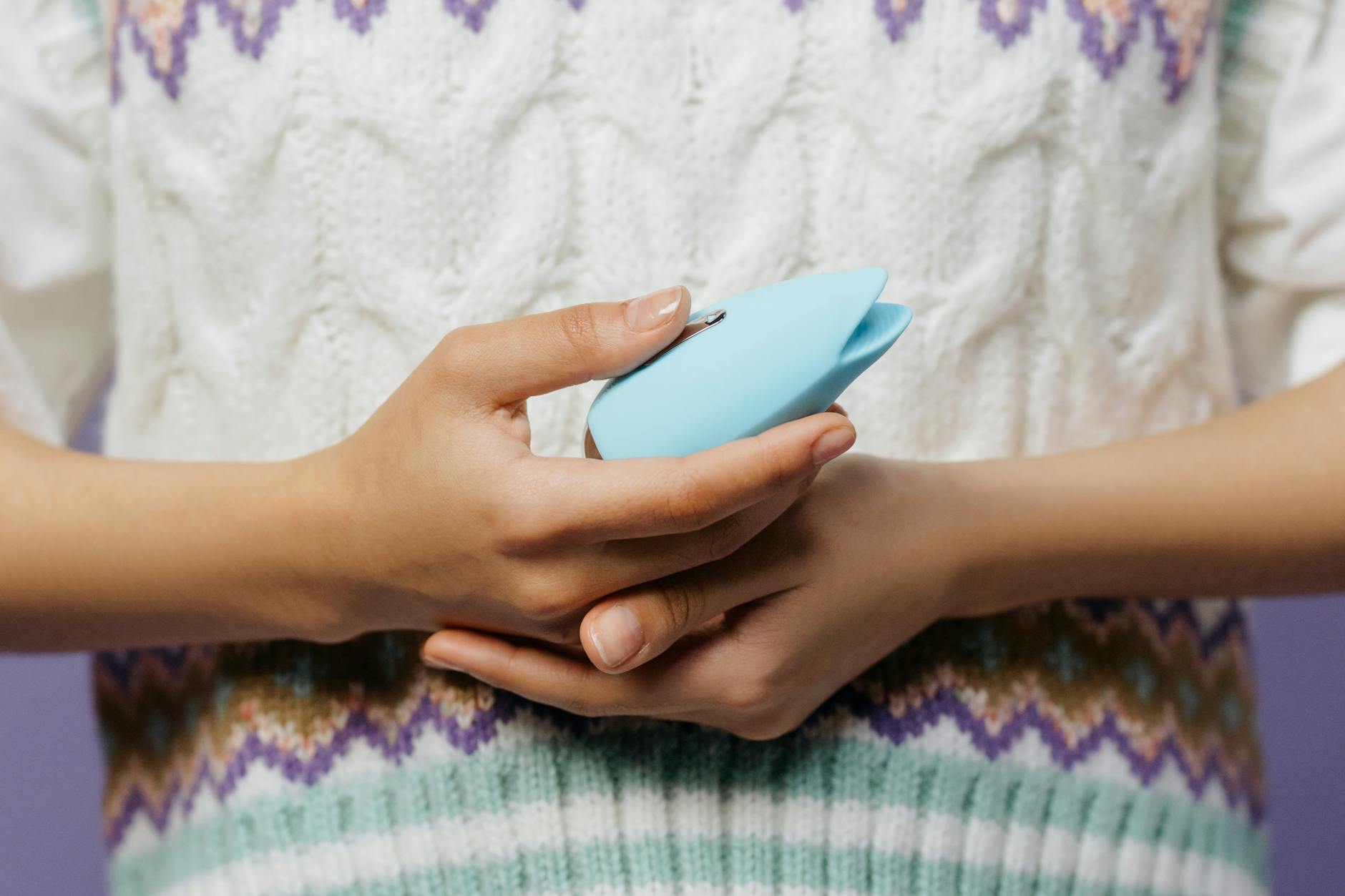
Here's what arousal numbness actually is
You're turned on. Your heart rate climbs, your breathing changes, you want this to happen. Then you touch your clitoris and feel almost nothing. It's like the sensation is wrapped in cotton. Or like your brain just switched off the signal. You keep going, nothing builds, and eventually frustration replaces arousal entirely.
This is not rare. It's also not a personal failure, a sign of low libido, or a reason to stop trying. It's a recognizable pattern with traceable causes and solutions that actually work.
Why numbness happens during arousal
Three main culprits show up repeatedly in my practice:
Performance pressure and anxiety. When your nervous system is scanning for whether you're "doing it right" or whether your partner is getting bored or whether you're taking too long, your clitoris isn't receiving sensation.your brain is too busy watching yourself from outside your body. This is called spectatoring, and it kills sensation fast. Your sympathetic nervous system (the fight-or-flight branch) is activated, and the parasympathetic branch (the one that makes pleasure possible) gets quiet.
Desensitization from repetitive touch. If you've been using the same hand motion or pressure for years without variation, your nerve endings literally adapt to it. They're not broken.they're just used to that specific stimulus and need something different to fire up again. This is why switching to a vibrator often works like flipping a switch. The sensation is novel and travels a different neural pathway.
Tension in the pelvic floor. Ironically, when you're anxious about pleasure, you clench the pelvic floor muscles tighter. This restricts blood flow to the clitoris and dampens sensation. You're essentially squeezing off your own pleasure. How to Use a Lemon Vibrator When You Have Pelvic Floor Tension digs into this mechanics specifically, but the quick version is that numbness and tension almost always travel together.
Hormonal dips or medication side effects. Certain antidepressants, birth control formulations, and the follicular phase of your cycle can lower sensation. This isn't something you caused. It's physiological, which means it's addressable.
What numbness is NOT
It's not a sign that you've lost the capacity for pleasure. It's not proof that something is wrong with your body. It's not something you can think your way out of. Telling yourself "just relax" while you're numb is like telling someone to sleep while an alarm is going off. The instruction misses the actual problem.
How a lem vibrator works differently than your hands
A Lem vibrator (like other lemon clitoral vibrators designed with suction technology) does something your fingers cannot: it sends consistent, rhythmic input to a broader surface area of the clitoris at the same time. Your hand applies pressure to one spot, and that pressure is static. A Lem uses gentle suction combined with patterns that change how the tissue is being stimulated.
This matters physiologically because:
Your clitoris has about 8,000 nerve endings concentrated in a tiny area. When those nerves get the same signal repeatedly, they stop responding as loudly. A vibrator introduces variation. That variation reactivates the signal path between your clitoris and your brain. In practical terms, numbness often lifts within seconds of turning on a lemon vibrator.
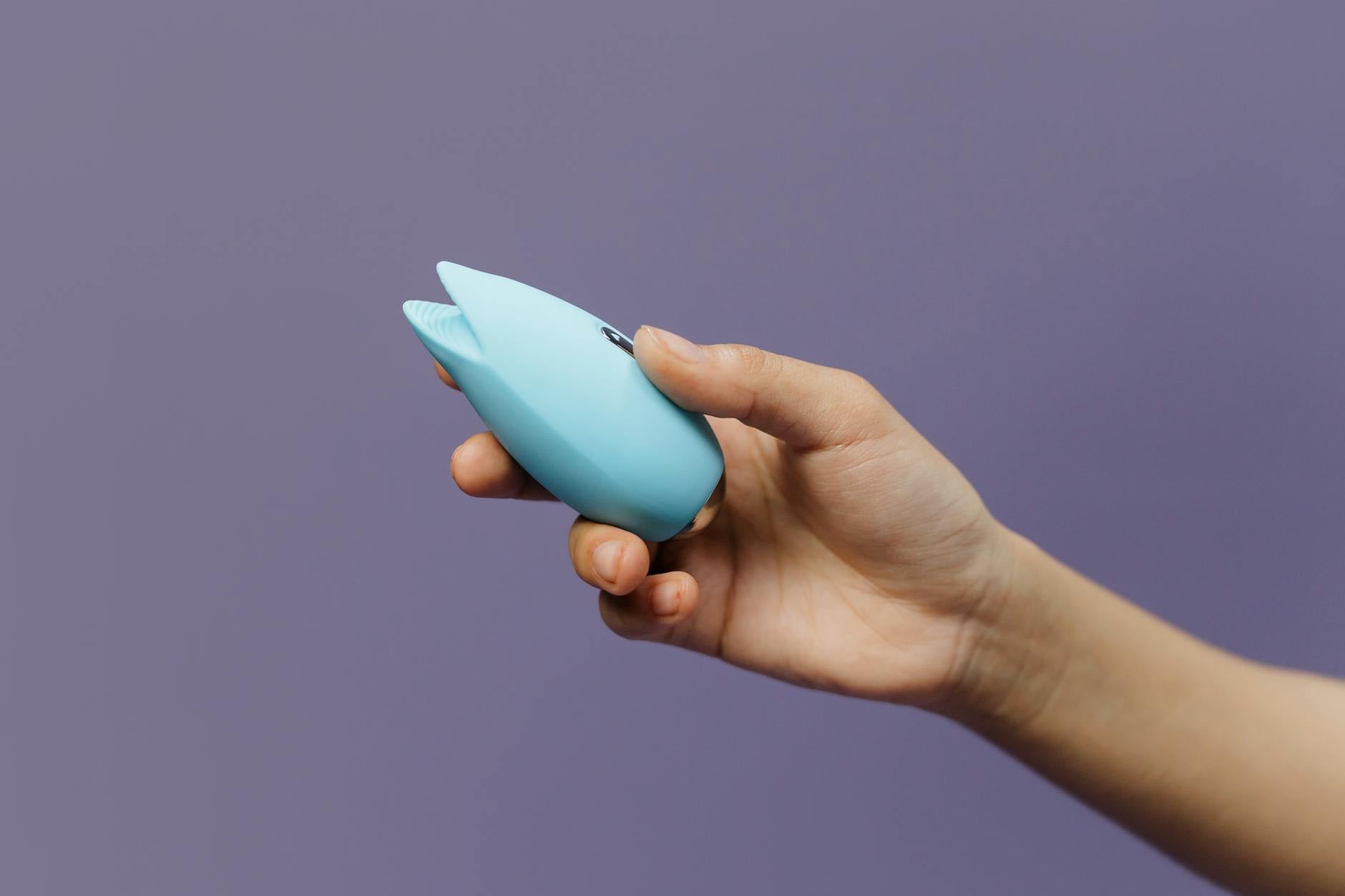
Photo by cottonbro studio on Pexels
The exact protocol when numbness hits
Step one: Stop what you were doing. If your hand motion isn't working, more of it won't either. Pause. Take three breaths. Your nervous system needs a moment to reset.
Step two: Change your environment if possible. Turn off your phone. Dim the lights. If a partner is present, tell them you need a minute of solo time. Spectatoring thrives on distraction. Remove what you can.
Step three: Start with your Lem at the lowest setting. Not because numbness means low sensitivity, but because you need novelty, not intensity. Pattern 1 on a Lem Vibrator at low suction creates a completely different sensation profile than what your hand was doing. Often sensation returns immediately at this gentler level.
Step four: Don't chase the numbness by cranking intensity. This is the mistake that delays solutions. Your instinct when you feel nothing is to push harder. Your body responds to harder by either numbing further or by registering it as uncomfortable. Go softer. Go slower. Let your system remember what arousal feels like.
Step five: Move the clitoral vibrator slightly. Instead of staying in one position, move the Lem in tiny circles or up and down. This micro-movement sends fresh signals to your nerves. Stay in one spot too long, even with a vibrator, and you can recreate the same desensitization that your hand created.
When numbness is tied to your nervous system state
If you're in spectatoring mode (watching yourself, judging, comparing to porn or past partners), numbness is almost guaranteed. The fix isn't more stimulation. It's redirecting your attention inward.
Try this: before using your Lem, do a 60-second body scan. Notice your feet. Your calves. Your thighs. Your hands. Your shoulders. Name what you feel without judgment. This sounds woo, but it's actually neuroscience. You're anchoring your awareness into parasympathetic activation (the calm, pleasure-capable state) instead of the vigilant scanning mode that kills sensation.
Then, when you use the vibrator, narrate what you feel in simple terms. Not "this feels good" (judgment) but "this is a rhythm," "this is warmth," "this is pressure changing." You're giving your brain permission to feel sensation instead of evaluate it.
The role of foreplay and warm-up time
Numbness often shows up when arousal isn't built gradually. If you go from zero to genital touch in 30 seconds, your nervous system hasn't had time to shift into the state where sensation is available. Most people need 10-15 minutes of non-genital touch, thought, or partner interaction before genital sensation fully wakes up.
This is where your Lem Vibrator becomes part of a sequence instead of the whole story. Spend time with touch that feels good but doesn't have a goal attached. Kiss. Hold hands. Touch your own chest or arms. Let arousal build before you bring in the clitoral vibrator. When you finally do, numbness is less likely because your system is already primed.
When to suspect something medical
If numbness is persistent even after trying these approaches, or if it appeared suddenly alongside other changes (new medication, significant stress, hormonal shifts), mention it to your doctor. Neuropathy, certain neurological conditions, and hormonal imbalances can genuinely affect sensation. There's no shame in checking. Usually the fix is straightforward once you know what's happening.
The permission piece
Numbness often carries shame. "Why can't I just enjoy this the way I used to?" Here's what I tell my clients: your nervous system is trying to protect you from something. That's its job. Numbness isn't a personal flaw. It's information. You're not broken. You just need a different approach. A Lem vibrator, lower pressure about how long orgasm takes, and permission to slow down often shift the entire experience.
Start there. Your pleasure matters. Your body wants to feel good. Sometimes it just needs you to meet it differently.
People also ask
Why do I feel numb when I'm aroused but not at other times?
Your clitoris is more sensitive when you're relaxed and calm (parasympathetic state) than when you're anxious or performing (sympathetic state). Arousal context matters. If you feel aroused but anxious, your nervous system is literally suppressing sensation to keep you "safe." This is why feeling numb during sex but normal during solo self-touch is so common. You have fewer external pressures when you're alone.
Can a lem vibrator fix permanent numbness?
A lemon clitoral vibrator can help reveal sensation that's been masked by tension, desensitization, or nervous system activation. It's not a cure-all for conditions like diabetic neuropathy or permanent medication side effects, but for most people experiencing numbness during arousal (which is a nervous system thing, not a nerve damage thing), a Lem vibrator often restores sensation within a few sessions of consistent use.
Is numbness during arousal a sign of low libido?
Not necessarily. You can want sex, be attracted to your partner, and still experience numbness. Numbness is usually about nervous system state or sensation pathway activation, not desire. Wanting something and feeling it are different signals. You might have the desire but need support getting your nervous system into a state where sensation is available.
How long does it take for numbness to go away?
It varies. Some people feel the shift within one session. Others take a few weeks of regular use of their Lem vibrator plus addressing the underlying nervous system piece (usually the spectatoring or pelvic floor tension). The key is consistency and gentleness, not pushing harder or longer.
Should I use my lemon clitoral vibrator alone or with a partner?
Try it alone first. Numbness often includes spectatoring, which is harder to drop with another person present. Once you've recovered sensation solo, bringing a partner back in is much easier. You know what working feels like. You can communicate it.
Can lube help with numbness?
Not directly, but it can help with comfort and reduce friction-based distraction that keeps your mind on "Am I uncomfortable?" instead of on sensation. Use a simple water-based lube if the area feels dry. Focus most on the nervous system piece, though. That's where the real shift happens.
Your next step
Numbness is solvable. It usually takes a shift in how you're approaching arousal, not a change in your body's capacity. Start with your Lem Vibrator at the lowest setting, give yourself permission to go slow, and notice what changes. If you're working through this as a couple and spectatoring is part of the picture, this guide on arousal timing mismatches has language for conversations that can help.