Here's the thing about disconnection
You're in a relationship. You care about your partner. But somewhere along the way, the sex stopped working. Maybe they're not initiating. Maybe you are, and it feels hollow. Maybe the two of you are just... missing each other, even when you're in the same room. And now pleasure feels like a thing that happens to other people, not you.
This is where many people get stuck. They assume the only fix is to "fix the relationship" or wait for their partner to change, and meanwhile their own pleasure just... atrophies. That's backwards. The fastest way to rebuild intimacy with a partner is often to rebuild intimacy with yourself first.
Using a lemon vibrator for solo pleasure isn't a sign that your relationship is broken. It's a sign that you're taking responsibility for your own body and your own sensation. And honestly, that's what partners actually need you to do.
Why solo exploration works when coupledom doesn't
When you're with a partner, there's a psychological negotiation happening in real time. Are they enjoying this? Do I look okay? Is this taking too long? Am I being selfish if I ask for what I want? That internal committee never fully quiets down, and it actively blocks deep sensation.
When you're alone, that negotiation stops. There's no one to convince, no one to protect, no one's pleasure to consider but your own. That freedom alone is neurologically different. Your parasympathetic nervous system can actually relax instead of staying on guard.
There's also a confidence piece. Many of us learned early that our pleasure was a side effect of someone else's desire, not a main event. Solo exploration with a tool like a lemon vibrator flips that completely. You're not waiting for permission or circumstances to align. You're choosing pleasure as the point itself.
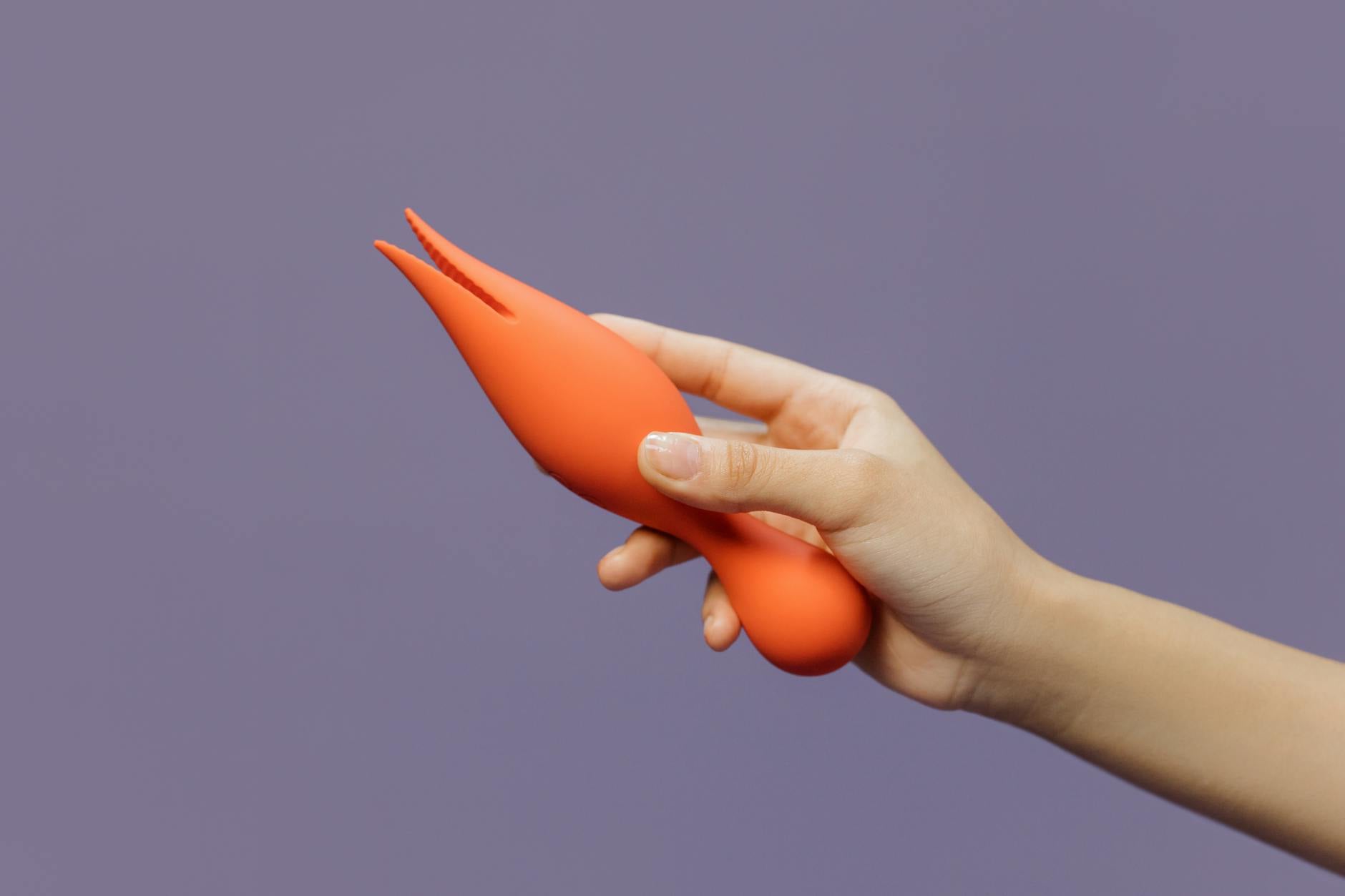
Photo by cottonbro studio on Pexels
How to actually start
Get yourself a lemon vibrator or lemon clitoral vibrator, and give yourself permission to use it without guilt. Seriously. Not "I'll use it while my partner is out and feel a little weird about it." Permission. This is your body and your pleasure.
Set aside 30 to 45 minutes when you won't be interrupted. Not because you need that long to orgasm, but because you need that long to actually relax. Your body can't drop into arousal when you're clock-watching or half-listening for a key in the door.
Start clothed. Let the vibrator sit on your clothes first. You're learning how the Lem works, what the different patterns feel like, and also giving your brain time to catch up with what's happening. Many people jump straight to direct stimulation and wonder why it doesn't feel good. You're not numb. You're just moving too fast.
When you do move to direct contact, use water-based lubricant. It's not because you're broken or dry. It's because you deserve comfort. Start at a lower pattern and let sensation build. The Lem works differently than a partner's hand because it's steady, consistent, and doesn't get tired or change pressure. That's a feature, not a problem. Your body will learn what that consistency feels like, and it often makes orgasm easier, not harder.
What happens psychologically
Something shifts in week two or three. You stop thinking about whether this is "weird" or "cheating" (it's neither). Your nervous system starts remembering that pleasure is something you can create for yourself. That's not nothing. That's everything.
You might also notice that when you do have sex with your partner again, you feel different. More present. Less resentful. More willing to advocate for what you want because you already know what that feels like. You're not coming to them empty-handed, asking them to be responsible for your pleasure. You're coming to them connected and capable.
Some people find that solo pleasure practice actually makes partnered sex feel less urgent, which paradoxically makes it better. The desperation goes away. So does the performance energy.
Common frustrations and how to move past them
Your mind keeps wandering. You're thinking about work or your relationship or why this isn't working yet.
This is normal. Arousal is a skill you're rebuilding, not a switch you flip. Start by not fighting the distraction. Let your brain go somewhere for a few seconds, then gently come back to sensation. Do this 20 times in one session, that's 20 times your nervous system practiced returning to pleasure. Over time, that gets easier.
You're not feeling much of anything.
Let the vibrator sit for a full two to three minutes on each pattern before you increase intensity. You're not looking for fireworks. You're learning your sensitivity. Some days that's going to feel subtle. That's still data. That's still your body speaking.
You feel guilty or like you're "wasting time" instead of fixing your relationship.
You're not. You're actually solving your relationship problem more directly than couples therapy ever will, because you're removing the expectation that your partner is responsible for your pleasure. That's relationship repair. It's just solo.
When to bring this into the conversation with your partner
Not immediately. Give yourself at least two weeks of solo practice before you even think about telling them. You're not hiding it, you're just not making it about them yet.
When you do tell them, keep it simple. "I've been exploring solo pleasure to reconnect with my body. I feel more present now. I'd like us to experiment together, if you're interested." That's it. You're not asking permission. You're not apologizing. You're sharing what's true.
Some partners will want to watch. Some will be relieved because they're off the hook for being your sole pleasure source. Some will feel insecure, and that's a conversation you get to have, but it's a separate one from "I deserve to know what my body feels like."
Why this matters more than you realize
When you're in a disconnected relationship and you stop exploring your own pleasure, you start disappearing. You become smaller. You focus all your energy on figuring out why they don't want you instead of remembering that you want yourself.
A lemon vibrator won't fix a broken relationship. But it will give you back something fundamental. It will remind you that you're a source of pleasure, not just a receiver of it. That you have capacity for sensation and joy that doesn't depend on another person's mood or schedule or presence.
And somewhere in that remembering, couples either find their way back to each other from a healthier place, or they realize they need to find a different path. Either way, you're not waiting for permission anymore.
Frequently asked questions
What if my partner finds out I'm using a lemon vibrator for solo pleasure and feels threatened?
Their discomfort is real and worth addressing, but it's not your responsibility to manage by stopping. Have the conversation directly. "This isn't about you. It's about me reconnecting with my own body. I'd actually like us to explore this together eventually, but that's only possible if I'm not doing this in secret." If they remain threatened after clear communication, that's information about the relationship. You're not obligated to stay small to keep them comfortable.
Can solo pleasure with a clitoral vibrator actually improve partnered sex?
Yes. When you know what pleasure feels like in your body, you're more likely to ask for it with a partner. You're also less resentful because you're not depending on them to be your only source of sensation. And you come to sex more relaxed because you don't have all your arousal eggs in one basket. The Lem and solo practice teaches your nervous system how to be aroused. That stays with you.
Is it okay to use a lemon vibrator if you're in a monogamous relationship?
Completely. Solo pleasure isn't cheating. It's self-care. A clitoral vibrator is a tool for your own body, not a replacement for intimacy with your partner. Many couples incorporate lemon vibrators into partnered sex, too. The tool is neutral. The intention is what matters.
How long does it usually take to feel "normal" sensation again with solo play?
Two to four weeks if you're consistent. "Normal" varies though. Some people find that the Lem actually introduces them to sensations they've never experienced, so it's not about returning to baseline. It's about expanding what pleasure can feel like. That takes a little longer, maybe six to eight weeks of regular practice.
What if I orgasm easily alone but struggle with a partner?
That's incredibly common and actually good news. It means your body is capable. The difference is the psychological environment. When you're alone, there's no performance pressure. When you're with a partner, your nervous system is monitoring multiple things at once. The fix isn't a different vibrator. It's bringing more of that solo confidence into partnered space. Some people do this by having their partner watch them use the Lem first, so they understand your rhythm. Others practice being present with a partner in non-sexual ways first.
Can I use a lemon vibrator if I've never been sexual with myself before?
Yes, absolutely. This is actually a really safe entry point. The Lem does the "work" so you can focus on sensation and relaxation. You're not learning a complex skill. You're just learning how your body responds to consistent, gentle pressure. Start with the lowest patterns, add lubricant, and let yourself explore without any expectation of orgasm. Orgasm might come. It might not. Both are fine.
What comes after
Solo pleasure isn't a forever practice for everyone. Some people use it to rebuild connection with themselves and then phase it out. Some people keep it as part of their regular rhythm. Some people eventually explore it with a partner using a lemon clitoral vibrator together.
There's no right timeline. What matters is that you're choosing yourself. That you're remembering that your pleasure is valid even when partnered sex feels distant or broken. That you're not waiting for permission to feel good.
That's where reconnection starts. Always.