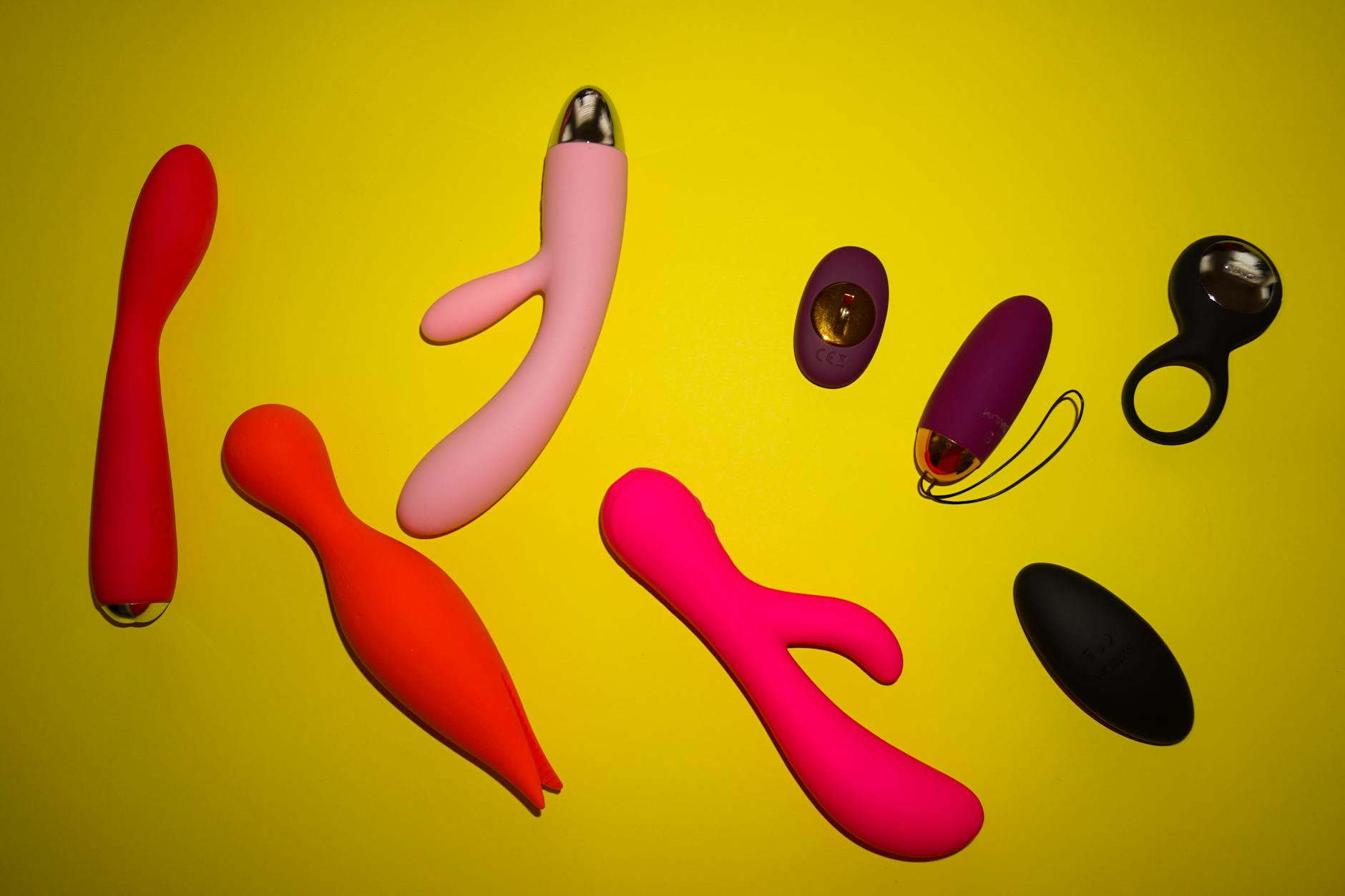
Let's talk about the real postpartum timeline
Everyone tells you: six weeks, and you're good to go. That's medically incomplete. Yes, most surface tearing heals in six weeks. But your nervous system, pelvic floor, perineal tissue, and mental relationship with your body? That's a different, longer story.
Honestly, that's where lemon vibrators come in. Not to rush the process. To give you agency within it.
What actually happens to your body after birth
Let's break down the physical changes, because understanding them matters more than any timeline.
Your perineum (the area between your vagina and anus) either tore, was cut, or stayed intact. Whichever happened, the tissue is inflamed, healing, and incredibly tender. Nerve endings are firing constantly. Swelling can take weeks to fully resolve.
Your pelvic floor muscles were stretched enormously and are now contracting back down. This process is uncomfortable. It's also crucial. Those muscles support orgasm, continence, and sensation. They need time.
Hormones are tanking. Estrogen and progesterone drop sharply after birth. Your vulva is thinner and drier. Lubrication doesn't flow the way it did during pregnancy. This isn't permanent, but it's real right now.
Your vaginal opening might feel narrower or tighter if you tore badly. Your clitoris might feel almost numb from swelling and nerve compression. Or hypersensitive. Both are normal.
The psychological piece matters equally. Your body grew and birthed a human. That's extraordinary. It's also alienating. Many people feel disconnected from the body that just did that, and arousal requires some degree of presence in that body.
When clitoral vibrators actually help: the realistic timeline
I tell my clients: start thinking about external clitoral pleasure around week 8 to 10. Not penetration. Just external touch.
Why not six weeks? Because six weeks is when healthcare providers clear you for penetrative sex. That doesn't mean tissue is done healing. It means you're not actively bleeding and infection risk has dropped. That's different.
Wait until you're curious, not just medically cleared. And wait until internal soreness has genuinely quieted.
A lemon vibrator, with its suction pattern, offers something penetration doesn't: external stimulation that bypasses sensitive internal tissue entirely. The suction gently pulls rather than enters. No pressure on your perineum. No friction on healing internal skin.
This matters because it means you can explore sensation on tissue that's actually ready, without forcing tissue that isn't.
How to actually use a Lem vibrator during postpartum recovery
Four rules:
Rule one: start with the lowest settings. The Lem's first patterns are mild. Use those for weeks. Your sensitivity is amplified right now. Pattern one might feel stronger than it did before birth.
Rule two: use lubrication, even though it feels weird. Postpartum lubrication is light. Water-based lube makes everything gentler and reduces friction on sensitive skin. Apply generously.
Rule three: stop the instant anything hurts. Not discomfort. Pain. There's a difference. Mild stretching sensation or unfamiliar pressure: that's sometimes normal. Sharp pain, burning, or anything that echoes internal soreness: stop.
Rule four: keep sessions short. Ten to fifteen minutes, max. Your nervous system is already processing enormous change. Intensity isn't the goal. Reconnection is.
The pelvic floor piece everyone skips
Your pelvic floor is doing a lot of work right now. It's contracting, healing, and trying to regain tone after being stretched to its limit.
Using a lemon vibrator while your pelvic floor is actively tensed works against healing. Here's why: the muscles get tighter and less flexible. That increases pain, not pleasure.
Before you use any vibrator, spend three minutes consciously relaxing your pelvic floor. Breathe deeply. Imagine the muscles softening. This is harder than it sounds. Most of us hold tension there without noticing.
Once you feel that softness, turn on the vibrator at the lowest setting. You'll notice the difference immediately. Everything feels less urgent.
When penetration might feel okay (even though you're not there yet)
Maybe by week 12 or 16, internal soreness has genuinely quieted. You've been reconnecting with external sensation. Your pelvic floor feels less locked.
Now you're curious about penetration again. Start with your partner's hands or fingers, not their body. The angle is easier to control. You control depth. You control speed.
A lemon vibrator isn't designed for internal use, which actually makes it safer right now. You're using it only on the clitoral area. No depth dilemma. No pressure on internal tissue.
Pair it with very slow, gentle fingering from your partner if that feels right. Or solo first. There's no rush.
The emotional piece (which is really the hardest part)
Here's what nobody tells you: your body grew a human. You might feel possessive of it. You might feel invaded by it. Both feelings are legitimate.
Desire doesn't return on a predictable timeline. Some people feel a surge of sexual interest once they've healed. Others take months or years to want sex again. Hormonal contraception, stress, sleep deprivation, and the massive identity shift of parenthood all play a role.
If you're using a lemon vibrator, use it for curiosity, not obligation. Not because a partner expects it or because the books say six weeks. Use it because you're genuinely wondering if pleasure is still there.
Often, when you remove the pressure and the timeline, pleasure comes back on its own.
Red flags that mean stopping and calling your GP
Most postpartum discomfort is normal. Some things aren't.
If you're experiencing intense pain during or after any touch, even at lowest intensity. If there's heavy bleeding or clots. If discharge has a foul smell or is thick and green. If you feel feverish or have chills. If you're noticing pus or excessive redness at a tear site.
These could signal infection or delayed healing complications. Stop and contact your healthcare provider.
Postpartum pelvic pain syndrome is also real. If pain is severe and doesn't improve with time and movement, ask for a pelvic floor physical therapy referral. That's different from normal healing, and it deserves professional attention.
Rebuilding intimacy with a partner during this phase
If you have a partner, this is worth discussing outside the bedroom first.
Tell them what you're noticing about your body. Tell them your timeline for sexual touch. Tell them that you might want pleasure without penetration for months. Tell them that you might touch a vibrator and decide you're not ready, and that's not rejection of them.
Honest partnerships survive this phase. Resentful or unspoken partnerships don't.
If you want your partner present during solo exploration with a lemon vibrator, that can be intimate and connective. If you'd rather be alone, that's equally valid. Neither choice says anything about your relationship.
The sensitivity shift you might notice
Many people tell me that after birth, their clitoris feels completely different. Sometimes numb. Sometimes hypersensitive. Sometimes both in the same session.
This is real. Swelling, nerve compression, and hormonal changes all alter sensation. A lemon vibrator's broad suction can actually help with this because it doesn't target a tiny point. It stimulates a wider area more gently.
As you heal, sensation typically normalizes. That process takes weeks to months. In the meantime, let your body tell you what feels good on any given day.
FAQ: Questions people actually ask about postpartum pleasure
Is it normal to feel nothing when using a vibrator after birth?
Completely normal. Swelling, hormone shifts, and the mental weight of new parenthood all numb sensation. This usually passes. If numbness persists beyond six months, mention it to your provider. It could signal pelvic nerve damage (rare) or hormonal issues that respond to treatment.
Can I use a lemon clitoral vibrator if I had a c-section?
Yes. C-section recovery is different from vaginal birth, but external clitoral sensation is unaffected. Give yourself 6 to 8 weeks before exploring, same timeline. Your abdominal incision needs to heal, and your nervous system needs time to recalibrate after major surgery.
What if my partner wants sex and I'm not ready, but a vibrator would help?
That's honest information to share. You might say: "I'm not ready for penetration yet, but I'm curious about exploring sensation together in other ways." A lemon vibrator can be part of that exploration. It's a bridge, not a substitute.
Does using a vibrator affect my ability to orgasm with a partner later?
No. Vibrators don't rewire your nervous system. They can actually help restore sensation and confidence after it's been disrupted by birth and recovery.
How long until sex feels "normal" again?
Varies wildly. Physically, eight to twelve weeks. Emotionally and hormonally, sometimes six months. Sometimes longer. Stop measuring yourself against others' timelines. Your body isn't behind. It's exactly where it is.
What if I'm breastfeeding and worried about my sex drive?
Prolactin suppresses estrogen, which suppresses desire. This is biology, not a reflection on your partner. Often, sex drive returns once you stop breastfeeding or reduce frequency. In the meantime, a lemon vibrator can help you stay connected to your own pleasure separate from your partner's needs.
What actually matters
Your body did something extraordinary. It's now healing. That healing isn't linear, and it's not on anyone's timeline but yours. A lemon vibrator isn't about rushing the process. It's about giving yourself permission to explore sensation when curiosity shows up, without pressure or obligation.
If you're struggling with pain, disconnection, or desire loss that extends beyond the typical recovery window, reach out. A marriage and family therapist or sex therapist can help you navigate both the physical and emotional sides of postpartum sexuality.
Your pleasure matters. Not once everything is "back to normal." Right now, in the middle of recovery, while you're sleep-deprived and your body is still healing. You deserve gentleness, curiosity, and the space to rediscover what feels good on your own terms.