Here's what no one tells you about arousal and age
Your arousal doesn't disappear as you get older. It just works differently. And honestly, that's not a loss. It's a recalibration.
I work with couples across decades of life, and the pattern I see most is confusion mistaken for decline. Someone hits 35, 45, 55 and thinks "this slowness means I'm broken." Then they discover that slowness is actually precision. Their body learned something their younger self didn't know. The trick is learning to work with that wisdom instead of fighting it.
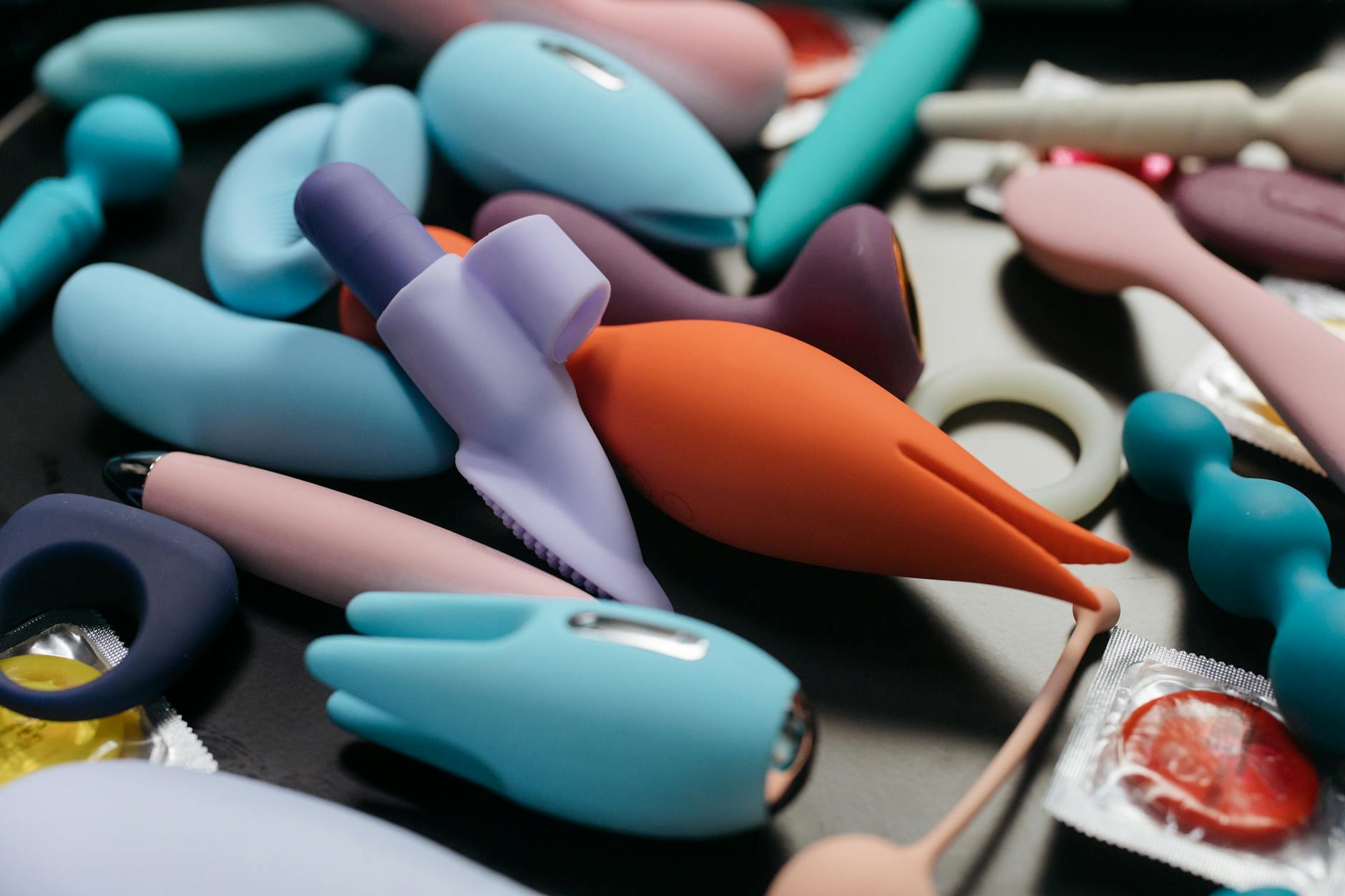
The right tool matters here. A lemon clitoral vibrator, built for targeted suction rather than raw vibration, mirrors how arousal actually deepens with time. It doesn't demand speed. It rewards attention.
What physically shifts as you age
Three main things happen to arousal pathways over time.
Blood flow patterns change. When you're younger, arousal floods in fast. Your clitoris engorges quickly, sensitivity peaks in minutes. As you age, blood flow to genital tissue becomes more gradual. This isn't weakness. It's actually protective. Slower arousal means steadier arousal. Less spiking, less crashing.
Nerve sensitivity evolves. The clitoris has 8,000 nerve endings, and how those nerves respond shifts subtly. You might find that direct vibration feels too intense, but suction feels exactly right. Or vice versa. The point is your nervous system isn't less responsive. It's more selective. You've developed taste.
Psychological arousal gains real power. This is the big one most people miss. As you age, mental arousal (fantasy, imagination, emotional connection, memory) becomes a larger part of the overall arousal experience. Your brain isn't a backup generator. It becomes the primary engine.
The three arousal patterns people encounter
I've noticed aging arousal tends to follow one of three paths. Recognizing which one fits you changes everything about how you approach pleasure.
Pattern One: The Extended Warm-Up. Arousal takes longer to build. You need 20-30 minutes instead of 10. This is the most common shift, especially for people using hormonal birth control, managing stress, or moving through perimenopause. A lemon vibrator here is perfect because it's non-fatiguing. You can use it for the full duration without hand cramps or overstimulation.
Pattern Two: The Plateau Shift. Arousal climbs normally but plateaus lower than it used to. Your body reaches a comfortable baseline of pleasure that feels sustainable but not peaked. Many people panic here because they're chasing a younger orgasm. Stop. This plateau is often more satisfying. It's just different. Suction tools help here because they create consistent stimulation without demanding escalation.
Pattern Three: The Threshold Reset. Your arousal requires different triggers entirely. A vibrator that worked at 25 might not work at 45. You might suddenly need more mental focus, different positioning, or specific rhythms. This is neurological rewiring, not dysfunction. It's adaptation. A versatile tool like a lemon vibrator with multiple modes lets you experiment without guilt.
Why lemon vibrators work better with evolving arousal
Most vibrators use direct friction. Your clitoris gets stimulation through sheer vibration speed. The faster the vibration, the stronger the signal. But as arousal patterns change, that approach becomes either too much or not enough.
A lemon vibrator (or lemon sexual toy, as some call it) uses air-suction technology instead. It creates a gentle pulse of suction and release around the clitoris. This mimics oral sex more than it mimics vibration. And here's the thing: suction arousal is often more sensitive to nuance. Smaller variations in intensity feel dramatic. Longer sustained use doesn't numb your nerves the way repetitive vibration can.
For people whose arousal has evolved, that precision matters. You're not fighting against numbness. You're not waiting for a fast vibrator to get you there. You're using a tool that meets your nervous system where it actually is.
The practical framework for using a lemon sucker as your body changes
Four adjustments make all the difference.
One. Extend your warm-up intentionally. If arousal takes longer now, don't treat that as a problem to solve. Treat it as permission to slow down. Spend 15-20 minutes on foreplay, fantasy, or solo exploration before you introduce the vibrator. Let arousal build naturally first. Then use the lemon vibrator to amplify that existing arousal, not to create it from zero.
Two. Start at lower intensity. If you've used vibrators before, the temptation is to jump to the power level that worked years ago. Don't. Your body's sensitivity has likely shifted. Start at pattern 1 or 2 on a multi-mode device and work upward. You might discover you prefer lower intensities now. That's completely normal. Pleasure isn't measured in watts.
Three. Add deliberate focus. As psychological arousal becomes more important, create conditions for it. That might mean removing distractions, setting aside dedicated time, using fantasy, or deepening connection with a partner. The lemon vibrator will feel more effective when your mind is actually present. Your brain and your body have to be coordinated.
Four. Experiment with positioning. Your body's orientation relative to the vibrator matters more now. You might find that lying down works better than sitting. Or that slight angle adjustments change everything. Take time to explore. What worked in your twenties might not work now, and that's information, not failure.
The partner conversation you need to have
If you have a partner, the shift in arousal patterns often triggers anxiety in both people. Partner assumes something is wrong with them. You assume something is wrong with you. Both of you are wrong.
The clearest thing I can tell you: separate the arousal conversation from the relationship conversation. "My body is responding differently to stimulation" is not the same as "I'm not attracted to you." But people constantly confuse them, which creates resentment neither person deserves.
Talk specifically. "I need more time to get aroused now, and that's not about you. Let's plan for longer foreplay." Or "Direct vibration doesn't feel right anymore. Let's try suction instead." Concrete, logistical, non-emotional. That gives you something to actually solve.
When arousal changes signal something else
Not all changes in arousal are age-related. If your arousal has flatlined suddenly, or if it disappeared alongside other mood or energy changes, talk to a doctor. Depression, thyroid dysfunction, medication side effects, and blood pressure issues all affect arousal. So does relationship disconnection. Age is one factor. It's rarely the only one.
Similarly, if you're experiencing pain alongside arousal changes, that needs medical attention. Genitourinary syndrome (tissue thinning and dryness), pelvic floor dysfunction, and nerve compression are all treatable. Don't assume pain is just "what happens."
But if arousal has simply evolved, if you're taking longer to warm up or needing different stimulation? That's aging. That's normal. And a lemon clitoral vibrator designed for precision rather than power works beautifully with that reality.
The reframe that changes everything
Here's what I wish I could tell everyone experiencing this shift: arousal doesn't decline with age. It deepens. You're not chasing your younger self's speed anymore. You're discovering your actual preferences. The things that turned you on at 20 often weren't even things you wanted. They were just things that worked fast.
Now you have information. You know what feels good. You know what doesn't. You can actually design your sexual experience instead of just reacting to it.
Take advantage of that. Use a tool like the Lem Vibrator that respects how your body works now. Explore how your arousal pattern might have shifted after other life changes. And most importantly, stop measuring yourself against a younger version of yourself. That person didn't know what they were missing.
FAQ: Your questions answered
Is slower arousal a sign of a larger health problem?
Not automatically. Arousal naturally takes longer as you age, especially if your estrogen or testosterone has shifted. But if arousal slowed suddenly alongside fatigue, mood changes, or loss of interest in things you love, talk to a doctor. Depression, thyroid issues, blood pressure medications, and other conditions do affect arousal speed. Age alone shouldn't make arousal disappear entirely, just slower.
Can you retrain your body to get aroused faster?
Partially. Consistent masturbation or partnered sex does keep arousal pathways responsive. But you're fighting against years of physiological change. A better approach: accept the slower timeline and use it. Extended arousal creates deeper orgasms for many people. You're not solving a problem. You're working with a feature.
Does a lemon vibrator work differently on an aging body versus a younger one?
Yes and no. The physics of suction stays the same. But your body's response to it changes. You might find you prefer lower intensities now. Suction might feel better than vibration when it never did before. Your sensitivity shifts, so the tool's effects shift. This is exactly why suction vibrators are popular with people experiencing arousal changes. The precision lets you dial in exactly what your body needs right now.
What if arousal feels completely different with a new partner after years with the same person?
That's usually psychological, not biological. New relationship energy is real. Novelty creates arousal. If you've been with one partner for 20 years, that neurochemical spike is going to be different than the comfort-arousal of a long-term relationship. That's not dysfunction. That's biology. Both are valid. Work with what you have instead of chasing what you remember.
Can hormonal changes after 40 be reversed with tools or techniques alone?
No. If estrogen or testosterone has dropped, you can't vibrate those hormones back. But you can work with your body's current hormonal state. That's where tools like lemon sexual toys, positioning adjustments, and extended warm-up times come in. You're adapting your approach to your biology, not fighting it.
How do I know if my arousal changes are normal aging versus a symptom of something that needs treatment?
Normal aging looks like: slower arousal, needing different types of stimulation, preferring longer warm-up, occasional difficulty with orgasm. Things that suggest you should see a doctor: complete loss of arousal, pain with any touching, arousal that disappeared suddenly alongside other mood or energy changes, or arousal problems that stress you so much it creates relationship conflict. Trust your instinct. If something feels off beyond just "slower," get it checked.