Here's what nobody tells you about stopping hormonal birth control
Your libido didn't vanish. It was suppressed. Hormonal contraceptives (the pill, the patch, the ring, the shot) work partly by dampening testosterone and increasing sex hormone binding globulin, which muffles what little testosterone remains in circulation. For many people, this means years of muted desire, flat orgasms, or the sensation that something is missing but you can't quite name it.
When you stop, that changes overnight. Literally. Testosterone surges. Estrogen recalibrates. Your nervous system wakes up. And suddenly you're flooded with a desire you may not have felt in a decade.
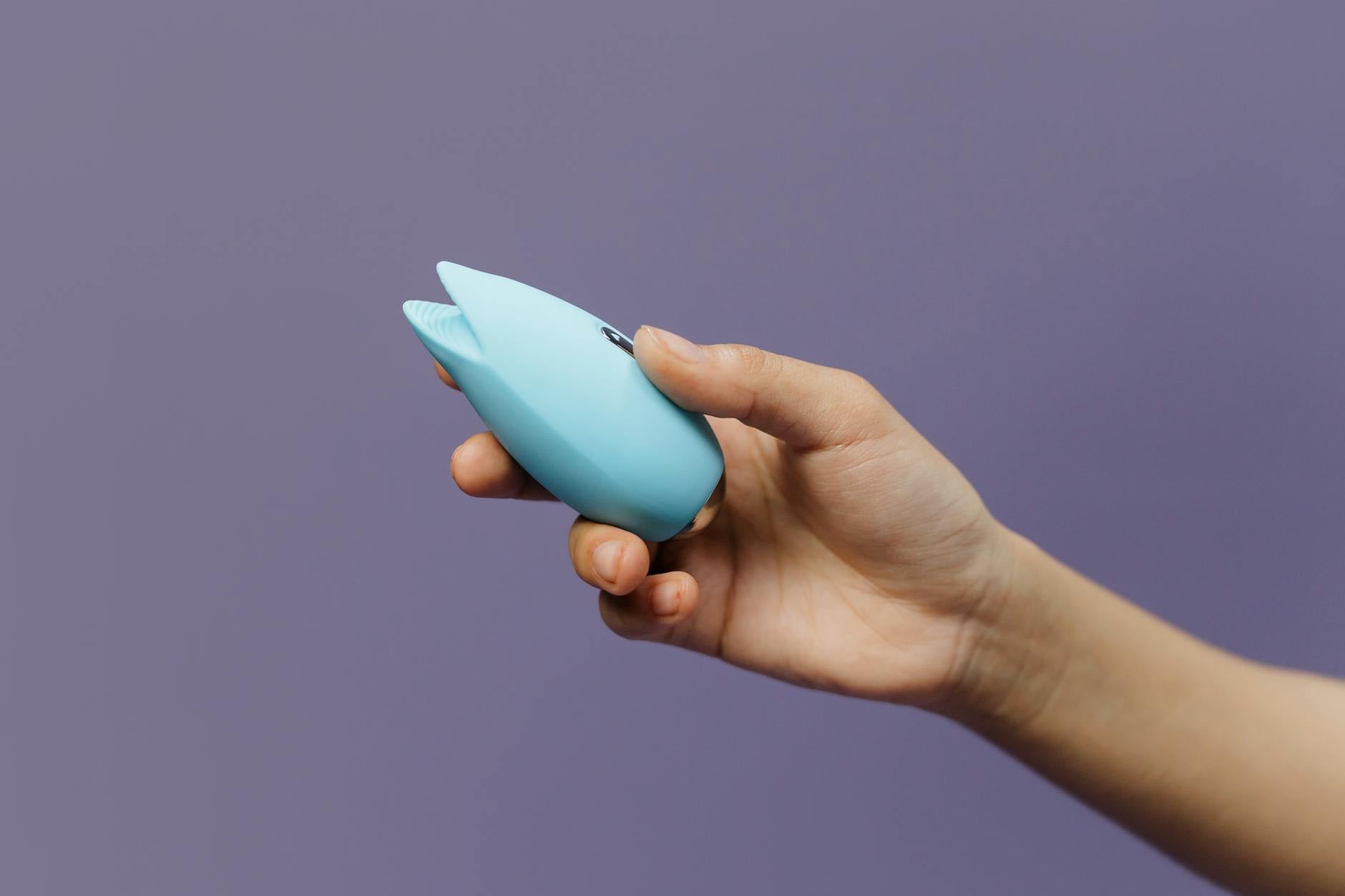
That's thrilling. It's also disorienting. Your body forgot how to respond this intensely. Your sensitivity settings are all wrong. Your partner (if you have one) may not realize the shift is hormonal, not relational. A Lem Vibrator becomes the bridge between where you were and where you're going.
Why sensitivity feels different after stopping birth control
Three months ago, you could barely feel direct touch on the clitoris. Now it's almost too much. This isn't dysfunction. This is your nervous system recalibrating after years of chemical suppression.
When hormonal birth control is active, it doesn't just lower testosterone. It affects blood flow to genital tissues, which changes nerve sensitivity. It also changes how your brain processes pleasure signals. Your clitoris doesn't get less nerve density. The signal gets quieter. Think of it like someone turned the volume down on the stereo, and now they're turning it back up.
The problem: most people don't realize this is temporary. They go back to whatever stimulation worked before (or didn't work), get overwhelmed, and assume something is wrong. It's not. Your body is healing. You just need a tool that lets you dial the intensity.
This is where the suction mechanism on a Lem Vibrator matters. Unlike traditional vibrators that rely on direct percussion, suction engages nerve clusters without mechanical pounding. You can start at pattern 1 or 2 and control exactly how intense the sensation becomes. That control is everything when you're relearning your own pleasure.
The first two weeks are adjustment, not failure
You stopped the pill on day one. By day three, you notice a shift in energy. By day seven, you feel like you again. By week two, you're flooded with desire that makes you wonder if you've been sleepwalking through sex.
The temptation is to jump back into whatever felt good before. Don't. Your body is not the same body that took that pill. Your tissues are reshaping. Your hormone levels are climbing. Your nervous system is rewiring.
If you have a partner, this is the moment to actually talk about it. Not "I want more sex" (which can feel like pressure). But "My body is changing hormonally, and I'm exploring what feels good again. I might need things slower or different for a bit." This reframes the conversation from desire as a performance metric to desire as useful information about your changing physiology.
For solo exploration, start with your Lem Vibrator on the lowest setting. Spend time just noticing what sensation actually feels like. Many people discover their most reliable orgasm pathway has shifted entirely. What worked during suppression might not work now. This isn't loss. It's upgrade.
The physical recalibration phase
You have about four weeks of active recalibration ahead. Here's what helps:
Start low, build slow. Your first session with a Lem Vibrator shouldn't be at max intensity. Begin at pattern 1 or 2. Notice what you feel. Let arousal build naturally before you increase. This trains your nervous system that intensity has a ramp, not a cliff.
Longer warm-up time. Even though your libido is surging, arousal still needs runway. Budget 20 minutes. Mental focus matters now more than it did when you were on birth control. Your brain is part of the recalibration too.
Lubrication still matters. Hormone restoration doesn't mean natural lubrication automatically floods back. It takes a few weeks. Use water-based lube to reduce friction and let you focus on sensation rather than discomfort.
Solo sessions teach you fast. You're not negotiating anyone else's pace or preference right now. Use solo exploration to map what actually feels good in this new body. Bring that map to partnered sex later.
Pattern variation is your friend. The Lem Vibrator has multiple patterns, not just speeds. Spend time with each one. Some people find they have a favorite now that they didn't before. Patterns create rhythm. Rhythm often creates deeper orgasm than raw intensity does.
Why intensity might feel overwhelming at first
Let's say you're session three with your new Lem Vibrator. You jump to pattern 5 because you're excited and impatient. Suddenly it's too much. Too sharp. You feel raw or almost numb. This happens to almost everyone in the first month after stopping hormonal birth control.
This is not pain or dysfunction. It's overstimulation. Your nervous system, freshly rewired, has a lower threshold for input than you expect. The fix is simple: dial it down. But the emotional response is usually shame ("Why is this too much when I want so much?").
Here's the reframe: your body is protecting you. Overstimulation shuts down pleasure pathways temporarily. You actually want that feedback. It means you're learning. Each time you honor that signal, you teach your nervous system it's safe to open back up.
The role of mental clarity
When you were on hormonal birth control, your brain chemistry was altered by design. Mood, focus, anxiety tolerance, all of it was muted slightly. When you stop, the fog lifts. Some people experience this as liberation. Some experience it as anxiety or mood shifts for a few weeks.
If you're riding a wave of post-pill anxiety or irritability, solo play with your Lem Vibrator can actually help recalibrate your nervous system. Orgasm releases neurochemicals that counteract anxiety and build parasympathetic tone. This isn't spiritual. It's neurobiology. You're using pleasure as a nervous system reset.
With a partner, this clarity matters differently. You might suddenly realize you have wants or boundaries you didn't know were being suppressed. Hormonal birth control can muffle not just libido but also assertiveness. When it wears off, you might find yourself wanting things arranged differently. This is healthy. Stay curious about it.
How long until things stabilize
Six to eight weeks is usually the window. By week 12, most people report that intensity feels sustainable and pleasure feels recognizable (though often different than before the pill). Your testosterone will stabilize. Your estrogen cycle will return. Your tissues will fully rehydrate and resensitize.
During this window, your Lem Vibrator is a tool for exploration, not a substitute for patience. If you're partnered, this is also a good time to rebuild connection without expectation. You're literally not the same person you were on hormonal birth control. Your partner doesn't need to know every detail of your recalibration, but they deserve to know it's happening and why.
What changes stay permanent
Here's the good news: once you stop hormonal birth control and let your system restabilize, many people report better orgasms, more consistent desire, and deeper pleasure than they had in years. The suppression lifts. Your body remembers what it's supposed to do.
Some people also discover that their orgasm has shifted in location or intensity. Maybe you've never had a clitoral orgasm and suddenly you can. Maybe blended orgasms become possible. Maybe your sensitivity is higher overall. These aren't anomalies. They're your actual baseline, finally accessible.
A Lem Vibrator can help you explore these changes safely and at your own pace. The suction design means you're not battering sensitive tissue. You're engaging nerve clusters with precision. That matters when you're relearning.
FAQ: Common questions after stopping hormonal birth control
Q: How long does it take for libido to return after stopping the pill?
A: Most people notice a shift within days. By two to three weeks, many people report significantly increased desire. Full hormonal stabilization takes about 8 to 12 weeks. The timeline varies based on which contraceptive you used, how long you were on it, and your individual endocrine health. Some people bounce back in weeks. Others take a few months. Both are normal.
Q: Can I use a clitoral vibrator like the Lem during this adjustment phase?
A: Absolutely. Start at lower intensities and explore what feels good. A Lem Vibrator's suction mechanism is actually ideal for this phase because it lets you control sensation precisely without aggressive direct contact. Listen to your body's feedback and adjust accordingly.
Q: Will my sensitivity stay this high forever?
A: Most people find that sensitivity normalizes and becomes sustainable by week eight or so. It won't revert to the suppressed state you were in while on hormonal birth control. You'll likely find a middle ground where you're more sensitive than you were before, but not overwhelmingly so. This usually feels like an upgrade.
Q: Is it normal for my orgasms to feel different?
A: Completely. Hormonal birth control changes the neurological and physiological pathways involved in orgasm. When you remove that chemical influence, those pathways reorganize. Many people find their orgasm is stronger, more full-body, or easier to achieve. Some people also discover entirely new patterns they didn't know were possible.
Q: Should I talk to my partner about this transition?
A: If you have a partner, a heads-up is helpful. Not a performance review, but something like: "I'm adjusting to life off hormonal birth control, so my body and desires are shifting. I might need things different for a bit while I recalibrate." This takes the pressure off them to intuit what's happening and gives them context.
Q: Can I use a lemon vibrator or other clitoral vibrator immediately after stopping birth control?
A: Yes, but start conservatively. Your sensitivity is ramping up rapidly. A Lem Vibrator on low patterns is perfect because it gives you control. Going straight to high intensity can actually delay the recalibration because you'll overstimulate and your nervous system will shut down. Patience here pays off.
Moving forward
Stopping hormonal birth control is not just a contraceptive decision. It's a neurochemical and physiological shift that ripples through desire, sensation, mood, and identity. Your body is waking up. That's thrilling. It's also worth doing slowly and intentionally.
A Lem Vibrator becomes your tool for self-discovery during this transition. Use it to map what your actual nervous system likes, not what you think it should like. Use solo sessions to build baseline knowledge before partnered exploration. Use the feedback your body gives you to honor your recalibration.
Your desire is coming back. Your body knows what to do. You're just learning its new language.
If you want to explore this transition with more support, reach out. We're here to help you understand what's happening and how to work with your changing physiology rather than against it.
References
Journals and resources cited in this article:
- Westhoff, C., Torgal, A. H., & Mayeda, E. R. (2007). "Hormonal contraception and risk of thromboembolism." Human Reproduction Update, 13(5), 471-482.
- Pastor, Z., & Chmel, R. (2016). "Orgasmic disorders in women: A review of the literature on prevalence and risk factors." The Journal of Sexual Medicine, 13(12), 1705-1720.
- Wallwiener, C. W., Wallwiener, L. M., Seeger, H., Mück, A. O., Bitzer, J., & Wallwiener, M. (2010). "Prevalence of sexual dysfunction and impact of contraception in female German medical students." The Journal of Sexual Medicine, 7(6), 2139-2148.