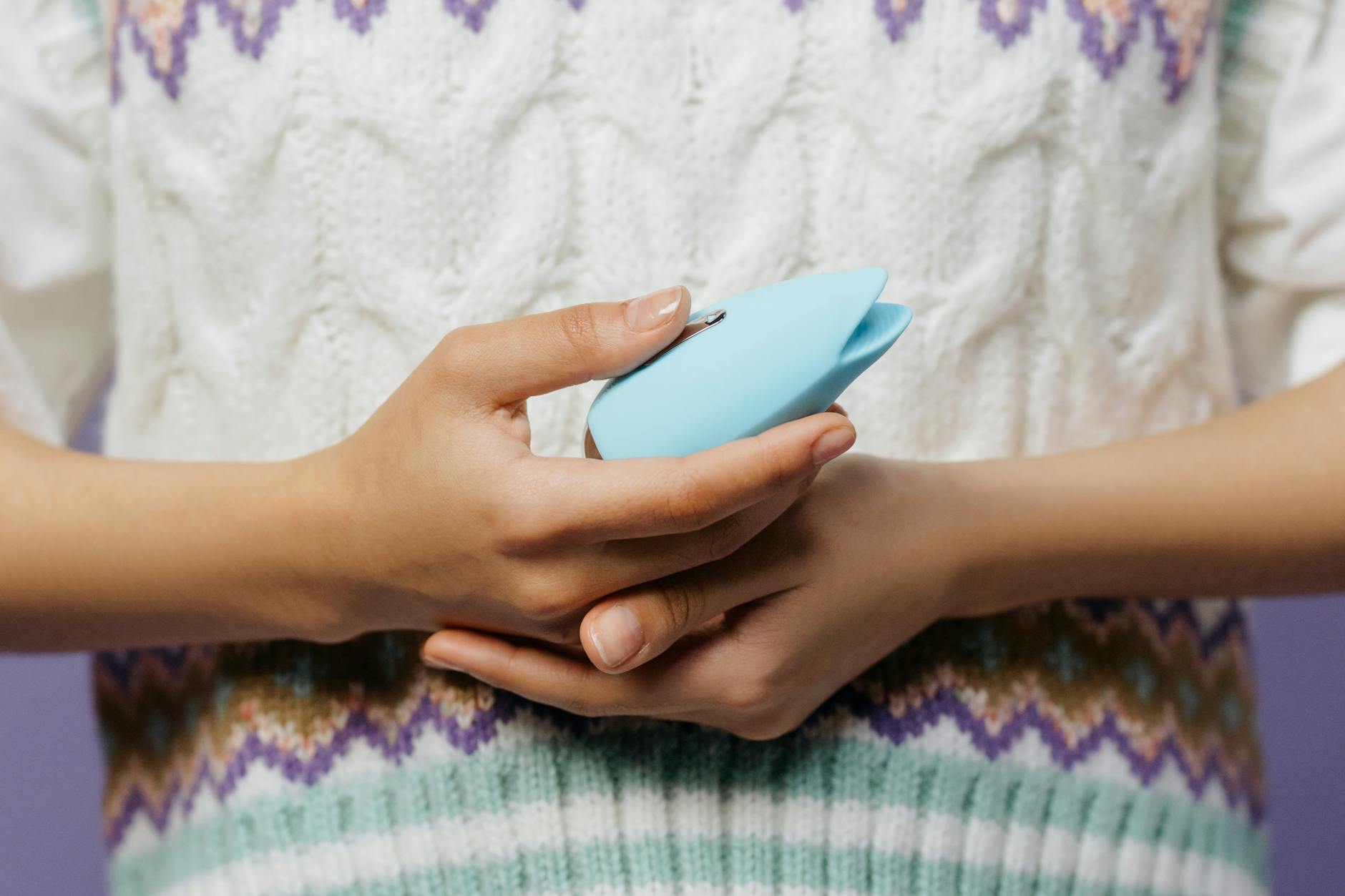
Here's the thing about rushed intimacy
When sex feels like something that happens to you instead of something you choose, your body stops cooperating. Your nervous system reads pressure as threat. Arousal dries up. What used to feel good becomes something you endure. And then you start avoiding intimacy altogether, which creates more tension in the relationship. It's a cycle most couples never talk about openly.
I see this pattern constantly in my practice. One partner feels rejected or neglected. The other feels like they're failing because they can't want sex on demand. Neither person is wrong. The real problem is the frame: sex has become transactional instead of consensual. A lemon clitoral vibrator can be the tool that breaks that cycle, but only if you use it differently than you might expect.
Why pressure kills arousal (the neuroscience part)
Your brain has two operating systems for sex. One is accelerator (the sympathetic nervous system), which says go faster, respond now, keep up. The other is a brake (the parasympathetic nervous system), which creates safety and allows genuine desire to build. When you feel pressured, your brake slams down hard. Adrenaline floods your system. Your body literally cannot access arousal.
This happens even if your partner isn't being demanding. Sometimes it's internalized pressure. You feel like you should want sex. You feel guilty that you don't. You perform arousal to keep the peace. Your nervous system still reads this as a threat because you're not truly safe or present.
The research is clear: pressure reduces desire in virtually everyone. Adding more pressure (rushing, performing, proving you're interested) makes it worse, not better.
How a lemon vibrator helps you reset the dynamic
Here's what most people get wrong about using a clitoral vibrator when intimacy feels pressured. They think the tool will make them want sex faster. Actually, it does the opposite. A good lemon sexual toy lets you explore pleasure entirely on your terms, which eventually teaches your nervous system that sex can be safe again.
When you use a lemon vibrator solo, you're not negotiating anyone else's timeline. You're not watching a partner's face to see if they're getting impatient. You're not divided between what you want and what you think you should want. That safety is where real arousal begins.
The second benefit is more direct: suction-based stimulation like the Lem Vibrator works without the intensity that makes anxious people tense up. The sensation feels sustained and gentle, which quiets the vigilance in your nervous system. You're not fighting for arousal. It's actually available.
The conversation you need to have first
Before you introduce a lemon adult toy into your intimate routine, this requires actual words with your partner. Not during sex. Not when you're frustrated. When you're both calm and have time.
The frame is crucial. This is not: "I'm getting a vibrator because you're not enough." That triggers defensive shame in most partners and makes everything worse.
Instead: "I've noticed sex has started to feel pressured, and that's killed my desire. I want to rebuild this, but I need to start solo so I can reconnect with my own arousal without feeling rushed. I love you, and I also need my pleasure to feel like my choice again."
This usually lands better than you'd expect because it's honest. Most partners actually want you to want sex. They don't want obligatory sex any more than you do. Pressure dynamics usually come from anxiety, not actual cruelty. Naming it clearly often diffuses the whole thing.
Using a lemon clitoral vibrator to rebuild your own desire
Start without your partner in the room. Twenty to thirty minutes, alone, no phone. This is non-negotiable. Your nervous system needs to learn that you can pursue pleasure safely.
Begin with settings that feel almost subtle. The Lem's lower intensities aren't wimpy. They're just less aggressive, which means your body doesn't reflexively tense. Many people find that sustained gentle pressure actually builds to deeper arousal than intense stimulation does. You're not chasing a peak. You're learning what pleasure feels like when it's not rushed.
Pay attention to what your body wants without judgment. Do you want longer warm-up? Do you want to pause and breathe? Do you want the same pattern for fifteen minutes straight? There's no right answer. The point is you're listening to your own signals instead of anticipating someone else's expectations.
After a few weeks of solo practice, something shifts. Your nervous system starts to believe that sex is safe again. Desire often returns. Not because the vibrator magically fixed you. Because you proved to your body that you could pursue pleasure without pressure.
Introducing this back into partnered sex
Once you've rebuilt some trust in your own arousal, you can invite your partner into this slower version of intimacy. The lemon vibrator becomes a tool you use together, but on your timeline.
Let your partner know: "I want to keep using this. It helps my body relax. Sometimes I might want it the whole time. Sometimes I might want it for part of it. I'll tell you." That's it. You're giving yourself permission and signaling that this is about your pleasure returning, not about replacing them.
Many couples find that adding a clitoral vibrator actually deepens connection because there's less performance anxiety on both sides. Your partner can focus on touch and connection instead of worrying whether you're going to orgasm. You're not faking anything. Everyone relaxes.
When the pressure is actually about control
Sometimes rushed intimacy isn't about anxiety. It's about someone prioritizing their needs over yours consistently. If your partner responds to "I need more time and space" with irritation or pushback, that's a different problem. A lemon sexual toy won't fix that.
In those situations, the vibrator becomes permission for you to have pleasure independently. Which is actually radical. Your desire doesn't need your partner's approval. Your orgasm doesn't require their cooperation. That autonomy sometimes creates the exact shift that was needed. Other times it clarifies that this relationship isn't safe, which is also useful information.
Most often, though, once the pressure breaks, intimacy gets better. Faster. More genuine. People who feel trusted with their own pleasure actually give more to their partners, not less.
The timeline for rebuilding
Don't expect this to shift in a week. Nervous systems rewire slowly. Give yourself four to eight weeks of consistent solo practice before you judge whether it's working. Your body is learning that pleasure is available again. That takes time.
You might notice that desire creeps back in unexpected moments. That your partner starts seeming attractive again. That you initiate instead of just responding. Those are signs your nervous system is genuinely healing.
This isn't about forcing yourself to want sex on someone else's schedule. It's about reclaiming the fact that desire is still available to you. When you own that again, your relationship usually shifts too.
FAQ
What if my partner feels threatened by me using a vibrator?
This usually comes from insecurity. The conversation matters more than the tool. Reassure your partner that you're using it to rediscover your own arousal, not to replace them. Many couples find that this actually improves partnered sex because there's less pressure all around. If the threat response persists, that's worth exploring with a couples therapist.
Can I use a lemon vibrator during sex if I'm feeling pressured?
Yes, but only after you've done solo practice first. Once you know what feels good and your nervous system trusts the experience, having a vibrator present during partnered sex can actually reduce pressure because you're not relying entirely on your partner's timing to orgasm.
How long should I wait before introducing partnered use?
Three to four weeks of solo practice is typically enough. You don't need to reach some magical number of orgasms. You just need to prove to yourself that arousal is available again without pressure. Once that's true, you can explore bringing a partner in.
What if I still don't want sex after using a vibrator consistently?
Then you might be dealing with something deeper than pressure. Relationship dissatisfaction, depression, medical issues, or genuine incompatibility all reduce desire. A lemon clitoral vibrator can help you distinguish between "I don't want sex because I'm anxious" and "I don't want sex because something is actually wrong here." That clarity is valuable even if it's uncomfortable.
Should I tell my partner I'm using a vibrator?
Eventually, yes, especially if you're in a committed relationship. Honesty about pleasure is part of rebuilding trust. You don't owe constant detailed updates, but lying about it usually recreates the same dynamic you're trying to escape. A simple "I'm using a vibrator solo to reconnect with my own desire" is enough.
Is using a vibrator a sign something is wrong with our sex life?
No. It's usually a sign something is right. You're taking responsibility for your own pleasure and setting boundaries around pressure. That's healthy. Many couples who use vibrators together report better communication and more genuine desire, not less. The tool isn't the problem. Pressure was.
Reclaiming pleasure is reclaiming power
When sex feels rushed, you're not just losing arousal. You're losing autonomy. Using a lemon clitoral vibrator to rebuild your relationship with desire is about much more than orgasms. It's about proving to yourself that your pleasure matters. That your boundaries are valid. That you get to choose when, how, and with whom you're intimate.
That shift often rebuilds the connection with your partner faster than anything else. Because they're no longer chasing your desire. You're both choosing it. That changes everything.