Let's name what's actually happening
Sexual aversion is not the same as low libido. It's not about not wanting sex someday. It's your body saying "no, not this" right now, and that response exists for a reason. Maybe you've been pushed past your limits. Maybe sex stopped feeling safe. Maybe you're exhausted, or grieving, or your body learned that saying yes meant pain.
The protective part of your nervous system is doing its job. The problem is that once aversion sets in, it gets harder to imagine pleasure at all. Everything sexual feels like a threat, even things you used to enjoy.
What you're about to read is how to slow that down and give your body permission to explore on its own terms.
Why sexual aversion feels different from other avoidance
When your nervous system enters survival mode around sex, it's not a rational calculation. It's a visceral "no." Your body tenses. Your mind goes somewhere else. Or you go numb.
This happens more often than anyone talks about. I see it in my practice regularly. People who've experienced boundary violations (even within otherwise okay relationships), chronic pain during sex, pressure from partners, cultural shame, medical trauma, or just years of sex that didn't feel good for them. The body keeps score. And once it decides a thing is unsafe, unplugging that response takes time and gentleness.
Here's what makes recovery possible: aversion is learned. That means it can be unlearned. Not erased, not overwritten. Unlearned, slowly, by proving to your nervous system that pleasure can happen without the threat.
Why lemon vibrators work differently for aversion recovery
Most traditional vibrators use penetration or direct friction. If your aversion includes discomfort with those sensations, you're fighting your own body from the start.
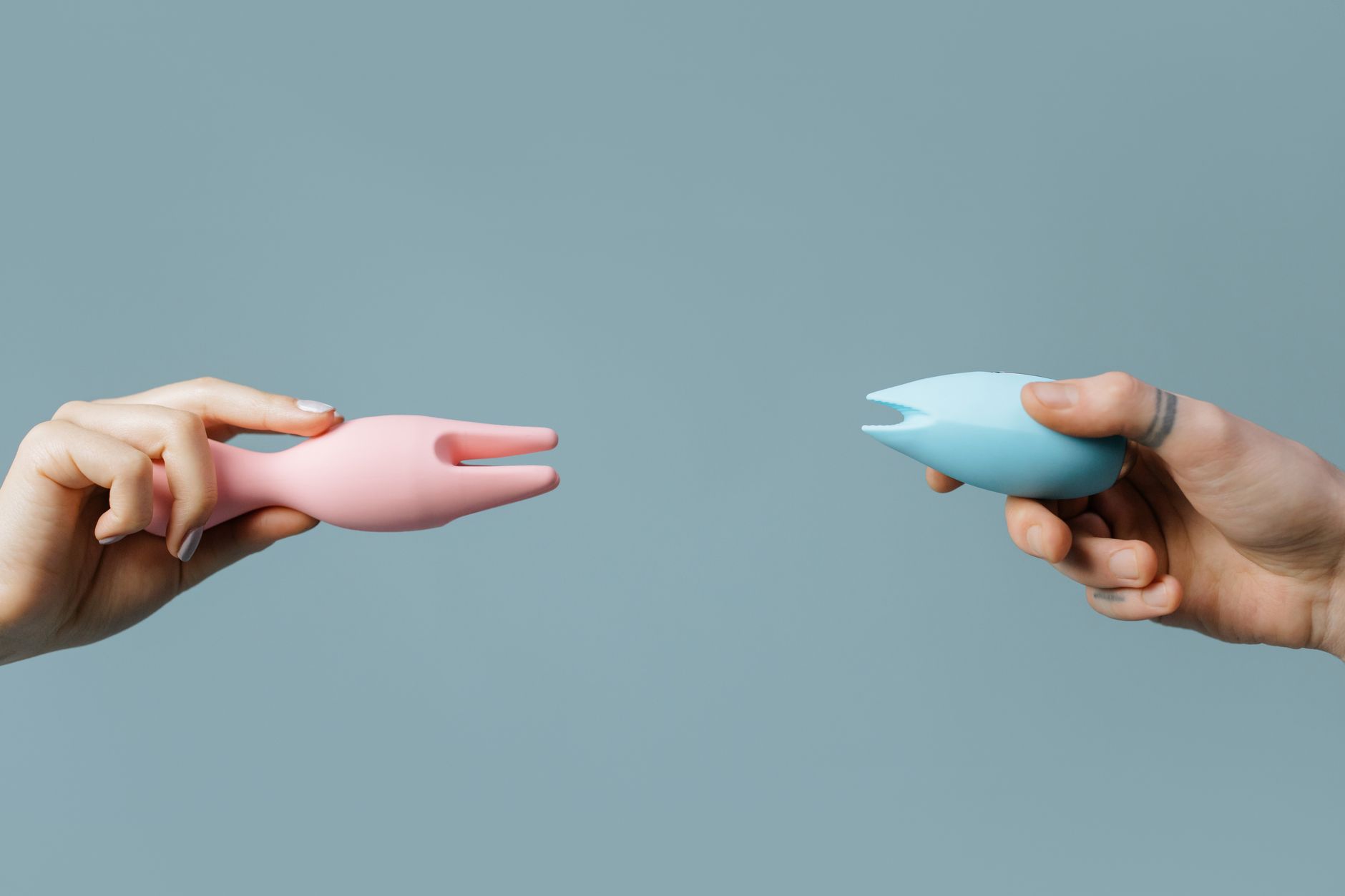
Lemon clitoral vibrators like the Lem work through suction and air-pulse technology instead. You're not being entered or rubbed. You're being stimulated through a gentle, consistent rhythm that feels completely different from partnered sex. This matters because it gives your nervous system a new pathway. Your brain isn't accessing the same neural circuits that got wired for "sex equals threat." You're creating a new pattern.
The suction also requires less physical effort than grip-based vibrators. If you're recovering and your energy is low, that's real. You deserve a tool that works with your fatigue, not against it.
Starting: the non-negotiable foundations
Five things before you even pick up the lemon vibrator.
First, this is consent with yourself. You are not obligated to recover on anyone else's timeline. Not your partner's. Not your therapist's. Not society's idea of when you "should" be ready. If today is not the day, that's correct. This only works when it feels like a choice.
Second, you need privacy and actual physical safety. Not the feeling of safety. The real thing. A locked door. Time when you won't be interrupted. A place where your body can unfold without vigilance.
Third, lower your expectations. The goal is not orgasm. The goal is not pleasure, not yet. The goal is for something to feel neutral or maybe slightly interesting. That's the win. Orgasm is a bonus that might come later, or might not on this particular day, and that's fine.
Fourth, get a simple water-based lubricant. Even if you're not sure you need it. Suction works better with a thin layer of lube. It reduces friction on sensitive tissue and helps the seal. (If you've been avoiding sex because of discomfort, your tissues might be less lubricated than usual. That's normal during aversion. The lube helps.)
Fifth, be honest about what triggered the aversion in the first place. You don't have to rehash it. But you do need to know whether it's connected to certain sensations, positions, types of touch, or the person you were with. If it was partner-related, solo play might feel safer. If it was connected to pain, avoiding penetration might be the adjustment. Know your map.
Your first session (what actually to do)
Set a timer for 15 minutes. That's it. This is not about endurance.
Start clothed. Lie down somewhere comfortable. No pressure to be sexy or seductive. You're not performing. You're exploring.
Spend five minutes just touching your own body over your clothes. Your arms, your legs, your collarbone. Feel what neutral, safe touch feels like.
Then spend three to four minutes on the external vulva area, still clothed or over underwear. Let your hand be there. Notice what you feel. No judgment.
Then, if you want to, remove your underwear and add a small amount of lube to the opening of the Lem. Turn it to the lowest setting. Pattern 1. Hold it against your vulva.
Don't grip it. Don't press. Just let it be there. Feel the suction. Notice the rhythm.
If your mind goes somewhere else, that's not failure. Your brain is protecting you. That's fine. Keep the vibrator there for another minute or two, or remove it. There's no wrong call.
When the timer goes off, you're done. Remove it. Drink water. Notice what you feel in your body.
What you might feel (and what it means)
Nothing is the most common first response. Your nervous system is still on guard. That doesn't mean it didn't work. You proved to your body that this activity could happen without catastrophe. That's the foundation.
Discomfort or tingling might mean your tissues are reacting to new stimulation. That's information, not a problem. If it's sharp pain, stop. If it's a dull, confusing sensation, that's typically just unused nerve pathways waking up.
Light arousal or pleasant sensation means your nervous system is beginning to trust. Keep going. Slowly.
Weirdly good might mean you're ready to go longer next time. Or stay at 15 minutes. Both are right.
Flashbacks or panic are your cue to stop and return to grounding. Feel your feet on the floor. Notice three things you see. That's not a setback. That's your nervous system telling you it needs more time or a different approach.
Building the pattern over weeks
Once you've done this three or four times without panic, you can extend to 20 minutes. Try different settings on the lemon vibrator. Pattern 2. Pattern 3. Notice which feels least threatening.
If your aversion was connected to a partner, solo play might unlock something that partnered sex doesn't. That's not a forever thing necessarily. But it's a runway. Let it be.
If your aversion was connected to pain or penetration, try the lemon vibrator on the external clitoris only for as long as you need. You don't have to progress to anything else. Many people find that suction-based clitoral vibrators are all they need or want.
After several weeks of solo exploration, you might feel ready to share this with a partner. That conversation is separate. Don't assume they'll understand immediately. Give them the same education you gave your nervous system. "This tool helps me feel safe." That's enough.
When to get support from someone else
If panic is persistent or flashbacks are frequent, you need a trauma-informed therapist who specializes in sexual recovery. A good one. Not all therapists are trained in this. Look for someone with credentials in EMDR, somatic experiencing, or trauma-focused cognitive behavioral therapy.
If your partner is pressuring you to recover faster, or using your aversion as evidence that you don't love them, that's a relationship problem, not a you problem. Consider couples counseling with someone trained in this dynamic.
If the aversion never eases and you reach a point where you're okay with that, that's also valid. Asexuality exists. So does a genuine loss of interest in sex after trauma. You get to decide what recovery means. Pleasure isn't mandatory.
The real timeline
Recovering from sexual aversion takes weeks or months, sometimes longer. Your brain rewired itself to protect you. It won't unlearn that overnight.
Honestly though. The patience it takes is the same patience that got you here. And that same patience is the thing that will get you through.
People also ask
Can I use a lemon vibrator if I've never had positive sexual experiences?
Absolutely. Aversion doesn't require a specific kind of trauma. If sex has just always felt uncomfortable, unsafe, or confusing, that still counts. The lemon vibrator's suction approach means you're not repeating whatever pattern made sex feel bad in the past. You're creating something new.
Is it normal that nothing feels good at first?
Completely normal. Aversion is your nervous system saying "I don't trust this yet." You're asking it to recalibrate. That takes repetition. Three weeks of gentle exploration is a totally reasonable timeline before you expect any sensation beyond "this is happening and I'm okay."
What if I freeze when I try to use a lemon vibrator?
Freezing is dissociation, which is a protective response. If this happens, stop immediately. Your body is telling you it's not ready. Take a break. Try again in a few weeks. Or talk to a therapist about what's triggering the freeze. Sometimes aversion needs professional support to unwind safely.
Can a partner use the lemon vibrator on me during recovery?
Not in the early phases. Solo exploration is crucial because you need to experience pleasure without the vulnerability of being watched or touched. Once you've had several positive solo sessions, introducing a partner is possible. But only if you want to, and only if your partner understands that you set the pace and the stop point.
What if I feel guilty for avoiding sex with my partner?
That guilt is often part of the aversion cycle itself. Your body is protecting you and you're being told you're wrong for that. You're not. Recovery includes giving yourself permission to not be available right now. A good partner will understand that reclaiming your own pleasure is actually the path back to partnered intimacy.
Does aversion recovery mean I have to want partnered sex again?
No. Some people recover and rediscover desire for sex with their partner. Others recover into a genuine preference for solo pleasure. Some people discover they're asexual or have different desires than they thought. Recovery means reclaiming choice. You get to choose what that looks like.