
Let's start with the hard truth
Antidepressants save lives. They also frequently kill sex. Not desire exactly, but sensation. Orgasm. The physical ability to feel pleasure. It's a side effect nobody warns you about until you're three months in and wondering if your body is ever going to work again.
Here's what's happening: SSRIs and SNRIs (the most common antidepressants) increase serotonin in your brain, which is great for mood. But they also flood your genital nerves, which actually dampens sensation. The neural pathways that fire during arousal get muffled. Orgasm becomes harder to reach. Sometimes impossible. And yes, this is real, common, and treatable.
How antidepressants change physical sensation
The science is straightforward. Serotonin acts as a natural dampener on sexual arousal. When you're depressed, your serotonin is low, which paradoxically can increase sexual drive (or make sex feel more intense). When you take an SSRI, serotonin floods those same pathways. The result: reduced genital sensation, delayed or absent orgasm, and sometimes complete flatness in the pleasure zones.
This isn't psychological. It's neurochemical. Your brain isn't broken. Your medication is working exactly as designed. But the side effect is real, and it matters.
The good news is that sensation can be rebuilt. It takes time, patience, and usually, a more intense stimulus than you used before. This is where a lemon clitoral vibrator becomes useful.
Why lemon vibrators work better when sensation is muted
The Lem Vibrator uses suction and pulsation rather than standard vibration. Here's why that matters for antidepressant-numbed sensation: suction stimulates deeper nerve clusters, not just surface tissue. Standard vibrators rely on rapid oscillation, which can feel like white noise when your nerves are dampened by medication.
Suction creates distinct pressure waves. Your brain can actually register them, even when general sensation is muffled. Think of it this way. If you're listening to music in a noisy room, you might not hear every note. But if someone taps you on the shoulder with a specific rhythm, you feel each tap clearly. Suction works like the tap. It cuts through the numbness.
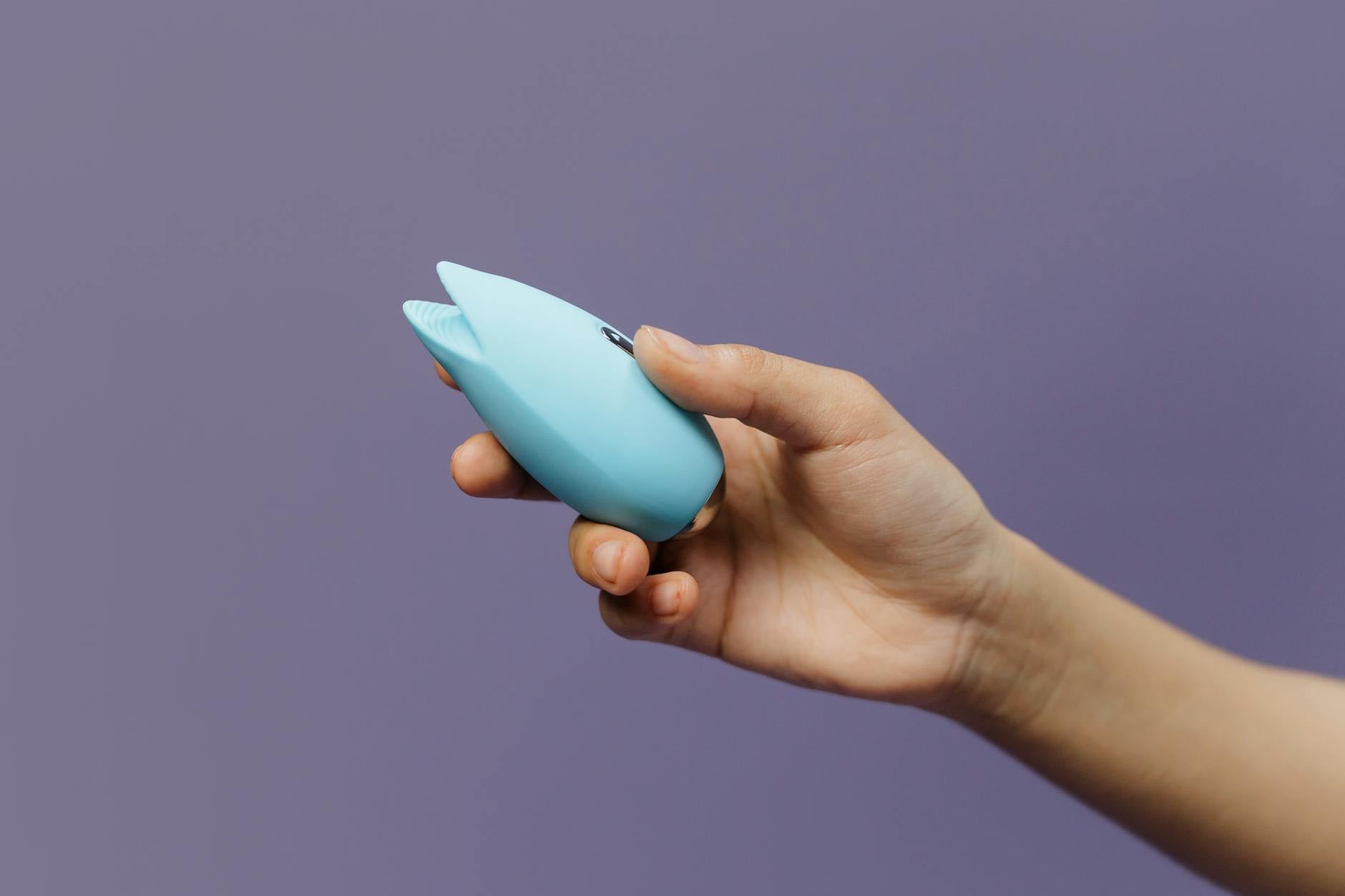
Photo by cottonbro studio on Pexels
How to adjust your expectations, not your body
The first mistake people make when antidepressants numb sensation is assuming they need to "turn up" the pleasure somehow. They jump to the strongest vibrator, spend hours trying to orgasm, then feel worse when nothing happens. That's the opposite of what helps.
Instead, reframe what you're looking for. You're not chasing an orgasm right now. You're rebuilding sensation. Start with this mindset: each time you use a lemon clitoral vibrator, you're rewiring the neural pathways between your clitoris and your brain. It's not performance. It's recovery.
Set a realistic time limit. Fifteen to twenty minutes, not an hour of desperation. If you don't orgasm, that's fine. Did you feel something? A pulse? A shift in sensation? That's success. Document it. Next time, you're building on that baseline.
The practical settings to start with
The Lem Vibrator has multiple intensity settings. If you're working through antidepressant-induced numbness, do not start on the highest setting. Start on pattern 2 or 3, medium intensity. You're listening for sensation, not chasing stimulation.
Many people find that the pulse patterns (rather than continuous vibration) break through the numbness better. Rhythm creates contrast. Your nervous system notices contrast more easily than constant input. Spend five minutes on a single setting before moving up.
After a few sessions, your nerves often wake up. You might suddenly feel more at lower intensities. That's your nervous system healing. When this happens, resist the urge to immediately jump to max intensity. Stay where the sensation is clearest and build from there.
When medication adjustment might be worth discussing with your doctor
Not all antidepressants numb sensation equally. Some people find that switching from an SSRI to a different class of antidepressant (like bupropion) actually preserves or improves sexual function. Other people need to adjust the dose, or take the medication at a different time of day.
Here's the key: this conversation is worth having with your doctor, but only after you've tried environmental changes first. Medication timing, partner communication, using better tools like a lemon vibrator, and rebuilding sensation gradually. If after a few months of consistent effort sensation still hasn't returned, then yes. Ask if a dose reduction or medication change is possible without compromising your mental health.
Don't stop medication unilaterally. Depression can absolutely tank your sex drive worse than any SSRI ever could. The goal is finding the right balance for you.
What partners need to know
If you're with a partner, they need to understand this is not rejection. It's not about them. It's not even really about sex right now. It's about nervous system recovery. When you're using a lemon vibrator or exploring sensation solo, you're doing medical work. Frame it that way.
The secondary benefit is that solo play actually helps you rediscover your body faster than partnered sex. When someone else is involved, there's performance pressure. You're wondering if you're taking too long. You're worried they're getting bored. That anxiety absolutely kills whatever little sensation is trying to come back.
Solo time with a lemon clitoral vibrator removes that pressure. You can take thirty seconds or thirty minutes. You can stop whenever. You can learn what actually works for your post-medication body without anyone else's expectations in the room.
The timeline for sensation recovery
This varies wildly. Some people notice changes in a few weeks of consistent use. Others take months. The variables are: which medication you're on, the dose, how long you've been on it, your baseline sensitivity before medication, and stress levels.
General timeline I see most often: weeks 1-2, you notice no change, or maybe a tiny shift. Weeks 3-4, sensation starts returning slightly. You might feel a subtle difference between settings. Weeks 5-8, you start experiencing pleasure that feels recognizable again. Weeks 8-12, many people report that orgasm becomes possible again, though it might feel different than it did before medication.
The key is consistency. Using a lemon vibrator once every two weeks won't rebuild your pathways. Three to four times weekly is what actually rewires sensation. Treat it like physical therapy, because neurologically, it is.
When to check in with your mental health provider
If sensation never returns after six months of consistent effort and medication adjustment isn't an option you want to explore, there are other interventions worth discussing. Some people benefit from adding a second medication that counteracts sexual side effects. Others find that regular sex therapy alongside medication helps rewire sensation faster.
Also check in if numbness extends beyond sexual sensation. If you're feeling emotionally flat or completely disconnected from pleasure in other areas of life, that might mean your medication dose is too high or the medication itself isn't right for you. That's separate from sexual side effects and worth addressing.
The reframe that actually helps
Antidepressants give you back your life. Full stop. If the trade-off is that sex feels different or takes longer to rebuild, that's a fair exchange for not being depressed. But you don't have to accept permanent numbness. Your nervous system is plastic. It can rewire. A lemon vibrator is one tool in that rewiring process.
Consistency matters more than intensity. Patience matters more than performance. And understanding what's actually happening in your body matters more than shame about it taking longer than it used to.
People also ask
Will sensation definitely come back if I use a lemon vibrator consistently?
Most people see significant improvement within 8-12 weeks of three to four weekly sessions. Sensation usually returns gradually, not suddenly. Some people report full return to pre-medication sensitivity. Others find their baseline is lower but still pleasurable. The variation depends on medication type, dose, how long you've been on it, and individual neurology. If you're not seeing any change after three months, that's worth discussing with your doctor.
Can I use a regular vibrator instead of a lemon clitoral vibrator?
You can, but the suction design of the Lem Vibrator specifically cuts through numbness better than standard vibration. That said, if you already have a vibrator and want to experiment first, start with it. But if standard vibration doesn't seem to register after a few weeks, switching to a lemon vibrator's suction pattern often makes a noticeable difference.
Should I tell my doctor I'm using a vibrator?
Yes, if the conversation is about sexual side effects and sensation recovery. You don't need to be awkward about it. Just say: "I'm exploring ways to rebuild sensation, and I'm thinking about using a clitoral vibrator as part of that. Is there anything I should know?" Most doctors appreciate the direct approach. It also helps them understand your recovery timeline and adjust medication if needed.
Does masturbation frequency affect how quickly sensation returns?
Up to a point, yes. Three to four times weekly is ideal. Daily use can sometimes feel like you're chasing numbness harder rather than rewiring it. Less frequent than twice weekly and you're not stimulating the pathways enough to see change. Find the rhythm that feels sustainable and stick with it.
What if I orgasm during recovery but it feels completely different?
That's normal and actually a good sign. Post-medication orgasms often feel flatter, shorter, or less intense than before. That doesn't mean they're wrong. Your nervous system is recalibrating. After a few more weeks of use, the intensity often increases. The first orgasm after numbness breaks is rarely the fullest version. Keep going.
Can medication timing help with sensation?
Sometimes. If you take your antidepressant in the morning, you might have slightly better sensation at night. If you take it at night, morning or early afternoon might feel clearer. Some people ask their doctor if taking the medication right before bed (rather than morning) helps. This is worth experimenting with, but only under your doctor's guidance. Don't change medication timing without asking.
The bottom line
Antidepressants are worth the side effects if they're keeping you mentally healthy. But numbed sensation doesn't have to be permanent. A lemon vibrator, used consistently over weeks, can help rewire the neural pathways that medication temporarily muffled. Pair it with realistic expectations, patience, and possibly a medication adjustment conversation with your doctor.
Your body isn't broken. It's just recalibrating. Give it time. If you're struggling with how to start, our contact page has resources and a way to reach out with questions. You don't have to figure this out alone.