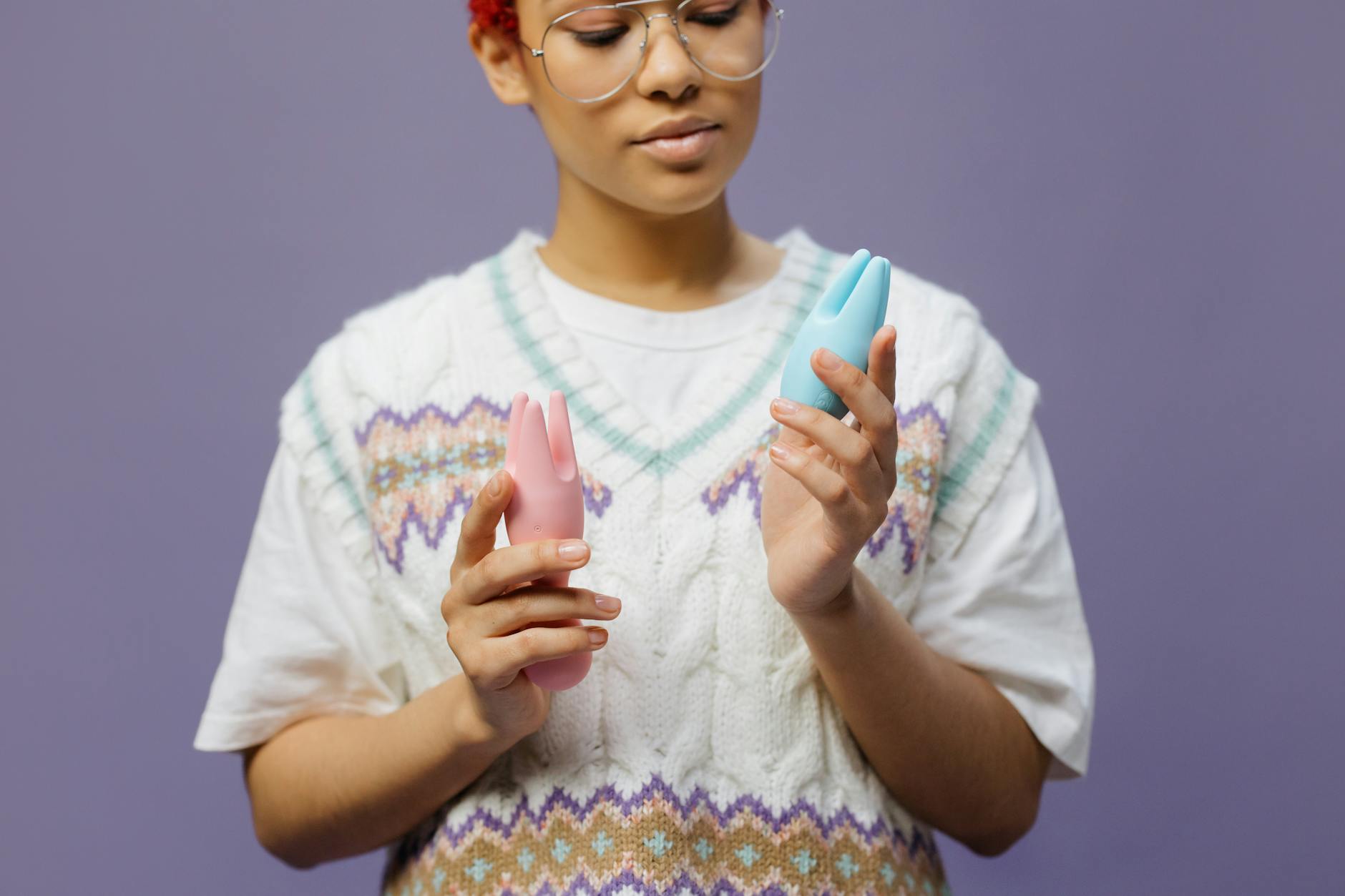
When touching feels like the problem
Let's be real: there's a difference between "not interested" and "interested but it hurts." The second one is its own kind of grief because the desire is there, but the body says no. Discomfort during sex can show up as sharp pain, dull aching, pressure, rawness, or just a sensation that something is wrong. Whatever shape it takes, it changes everything. You stop reaching for intimacy. Your partner gets confused or hurt. And somewhere in there, you start to wonder if your body is broken.
It's not. But the pathway back to pleasure needs to look different than it did before.
This is where lemon vibrators, and especially lemon suction toys like the Lem, enter the picture. Not as a cure, but as a tool for relearning your body in a way that feels safe.
Why discomfort happens and what it actually means
Discomfort during sex can come from dozens of places. Tension in the pelvic floor from stress, past trauma, or anxiety. Thinning tissue from hormonal changes. Scar tissue from childbirth or surgery. Insufficient arousal time. Friction that's too intense for sensitive skin. Past experiences that taught your nervous system to brace.
Here's the thing that matters: your body isn't rejecting pleasure. It's protecting itself. That's not a flaw. That's your nervous system doing exactly what it's designed to do.
The rebuild starts by separating pleasure from the specific sensation that's causing pain. Traditional partnered sex often means accepting the sensations that come with friction, pressure, and a particular rhythm. A lemon clitoral vibrator removes friction from the equation entirely. Suction creates stimulation without the mechanical pressure that might be triggering discomfort. This small shift opens up a completely different pathway.
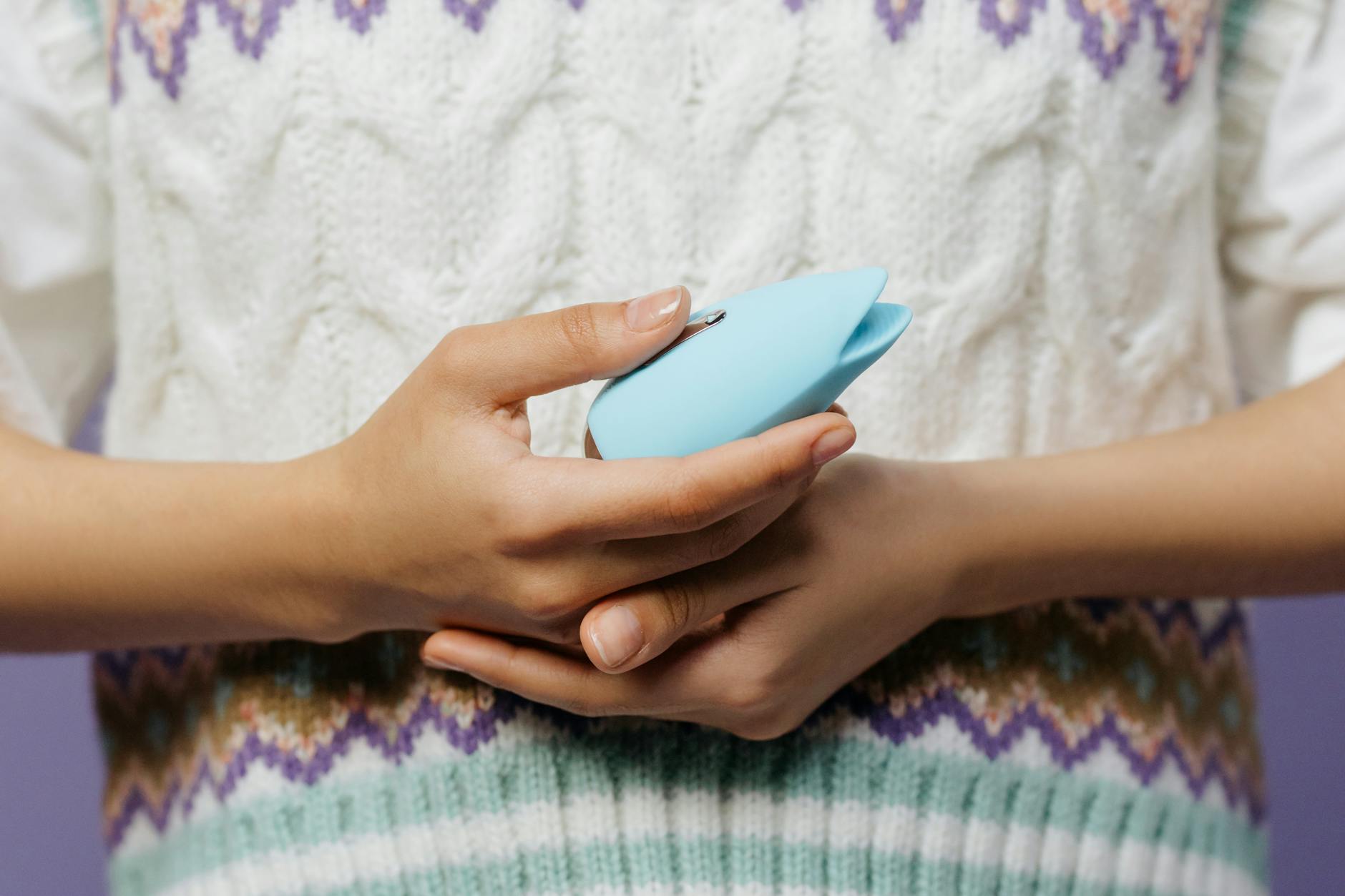
Photo by cottonbro studio on Pexels
The case for starting solo
When physical discomfort has entered the picture, solo exploration becomes less about selfishness and more about reclamation. You get to learn what feels good without the additional layer of managing someone else's experience or worrying about how your discomfort affects them. You get to pause, breathe, check in, and move at your own pace without explanation.
This matters because it rewires your nervous system's association with pleasure. For too long, sex has meant discomfort. Solo time with a lemon vibrator means pleasure without the pain signals attached. You're literally retraining your brain to expect something different.
Start in a space where you feel genuinely safe. Dim lighting, locked door, phone on silent. No rush. The goal isn't an orgasm. The goal is "this feels okay right now, and I'm staying curious about what my body can actually do."
How to use a Lem vibrator for gentle exploration
A lemon clitoral vibrator is designed specifically for external clitoral stimulation using suction rather than vibration alone. This matters when you're working with a sensitive or tender area. The patterns are gentler than traditional vibrators because the mechanism doesn't rely on direct friction.
Start at pattern one. That's the baseline. Your clitoris has thousands of nerve endings and can absolutely be over-stimulated, especially if it's been tender. Low intensity, low frequency. You're not trying to chase an orgasm yet. You're just noticing what each pattern feels like.
Position the Lem so the suction head is making light contact. Not pressed hard, not hovering. Just barely there. The suction itself will create the sensation. Many people are surprised at how gentle this feels compared to traditional vibrators. That's the point.
Breathe. Your pelvic floor probably carries tension from months or years of bracing against discomfort. You don't need to do anything special with your breath, but notice if you're holding it. A held breath means a held pelvic floor. Let it be loose and easy.
If at any point something feels like the wrong kind of sensation, stop. Not because you failed, but because you're gathering information. "Pattern three feels too intense" is useful data. "The suction at this angle feels like pressure rather than pleasure" is valuable. You're learning your own body's language again.
When discomfort is still present
Sometimes even gentle exploration with a lemon suction toy brings up residual soreness or tightness. This doesn't mean you should push through. It means your pelvic floor needs attention separate from pleasure exploration.
A pelvic floor physical therapist is not a luxury here. They can identify specific tension patterns and teach you how to release them. This work, combined with solo exploration when you're ready, often unlocks the ability to experience pleasure again without pain signals hijacking the experience.
In the meantime, you might find that gentle external touch with your hand, or exploring non-genital intimacy with a partner, feels safer. There's no timeline. There's no "you should be able to use a lemon vibrator by now." Your body will tell you when it's ready.
How to talk about this with a partner
If you're in a relationship, your partner probably knows something has shifted. Either they've noticed the avoidance, or you've told them directly that touch is uncomfortable right now. The conversation gets easier if you frame it as a team problem with a solution, not a failure on anyone's part.
"I've been experiencing discomfort during sex, and I'm working on rebuilding that connection. I need some space to explore solo first, using tools that help my body feel safe again. This isn't about you. It's about me relearning what pleasure actually feels like right now."
That conversation is hard, but it beats months of tension masquerading as duty sex. A good partner understands that your pleasure returning is better for both of you than forcing something that hurts.
Once you've spent time with a lemon clitoral vibrator solo and your nervous system has started to relax, you can bring a partner into that experience. Not the painful versions of sex. The new pathway you've discovered. This is often where couples reconnect most deeply. They're witnessing you reclaiming pleasure, and they're invited into that experience.
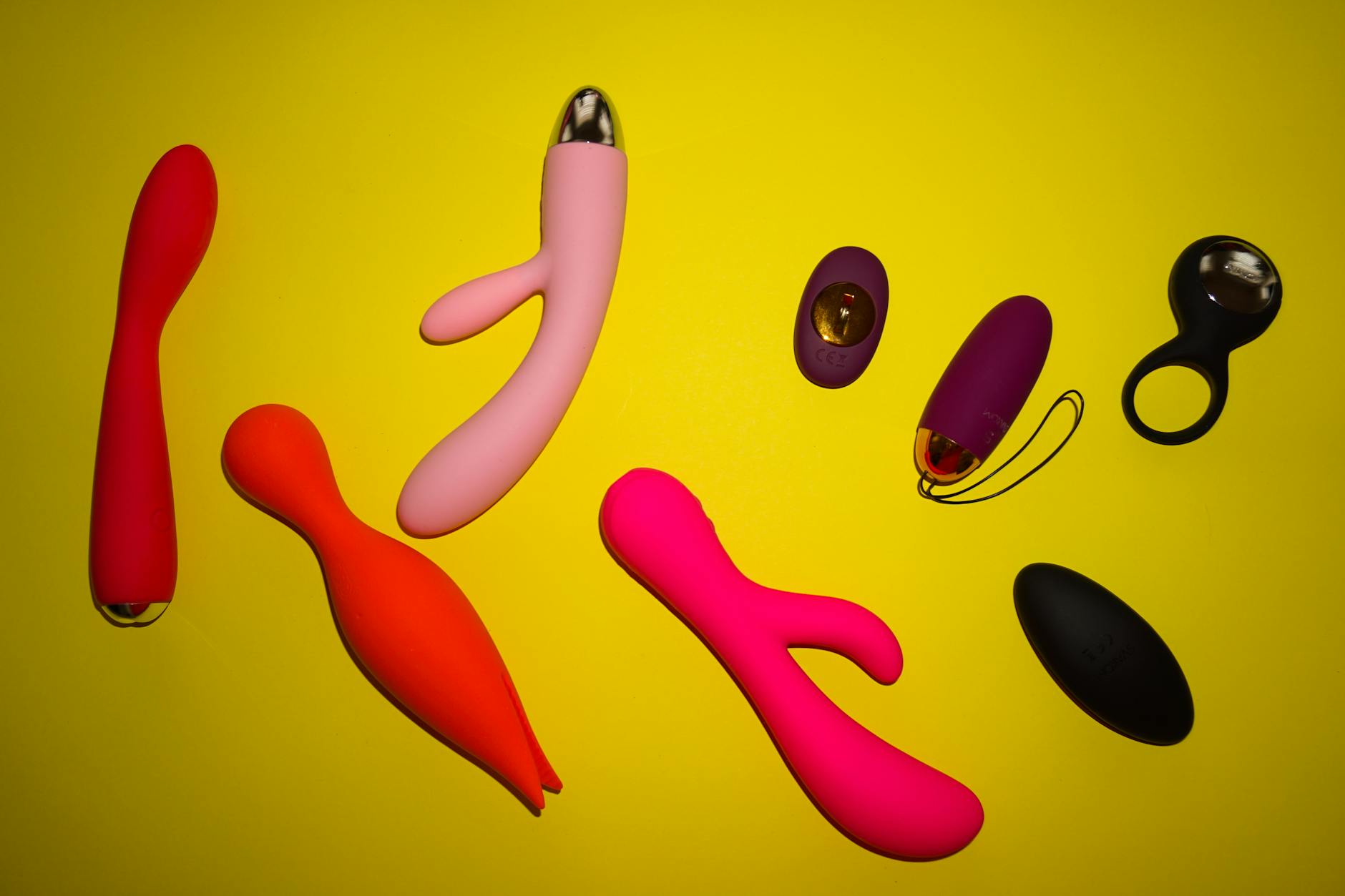
Photo by FounderTips . on Pexels
What changes over time
As you spend weeks or months exploring with a lemon vibrator, your nervous system gradually stops interpreting genital touch as a threat. Your pelvic floor learns to relax during stimulation instead of bracing. You develop new neural pathways associated with pleasure. This isn't metaphorical. This is actual neuroplasticity happening in real time.
Most people notice that the intensity they can tolerate increases gradually. Not because they're "toughening up," but because their body has evidence that pleasure is possible again. Orgasms might return. Sensitivity might ease. The ability to feel desire might resurface. Or your pleasure might look different than it did before, and that's completely okay.
If you've been dealing with discomfort for a long time, be patient with yourself. You're not just using a lemon clitoral vibrator. You're retraining your nervous system. That takes time.
When to get clinical support
If discomfort persists after several weeks of gentle solo exploration, or if it's severe, a gynecologist trained in sexual health is worth seeing. Sometimes pain has a straightforward medical cause. Vulvodynia, vestibulitis, endometriosis, or other conditions might need specific treatment. A healthcare provider can rule those out and point you toward the right intervention.
Similarly, if discomfort is tied to trauma or anxiety, a trauma-informed therapist can help your nervous system genuinely reset. A lemon suction toy is a great tool, but it works better when paired with actual nervous system work.
The quiet victory
The moment that matters most often isn't the first orgasm. It's the moment you realize you touched yourself without anticipating pain. You felt desire and didn't immediately brace for it to hurt. You used a lemon vibrator and thought, "Oh, this actually feels good," instead of "is this going to hurt?"
That shift is the whole thing. You're rebuilding trust with your own body. And that, oddly enough, is the foundation for everything else. Once you know your body can deliver pleasure safely again, a lot of the old fear starts to dissolve.
People also ask
Can I use a lemon vibrator if any touch is still painful?
Not yet. If even gentle external touch causes sharp pain, you need pelvic floor physical therapy before adding any device. If touch causes soreness or tightness but not acute pain, starting with the lowest suction pattern on a lemon clitoral vibrator is often safe. The key is honoring what your body tells you. Stop if pain increases.
How long does it usually take before discomfort improves?
It varies widely. Some people notice a difference in tension within days of starting solo exploration. Others take weeks or months. Discomfort caused by hormone shifts, muscle tension, or anxiety often improves faster than pain linked to trauma or structural issues. A pelvic floor therapist can give you a more personalized timeline.
Is suction safer than vibration if I have sensitive tissue?
For many people, yes. Suction creates stimulation through gentle negative pressure rather than mechanical vibration or direct friction. This often feels less intense on sensitive or inflamed tissue. But everyone's body is different. Start at the lowest intensity and pay attention to what your body tells you.
Should I tell my partner I'm using a lemon vibrator for this?
It depends on your relationship and what feels safe to you. Some couples find that transparency about pleasure exploration strengthens intimacy. Others prefer to keep solo practice private. There's no rule. Do what feels right for you and your relationship.
What if orgasm still doesn't feel good even with a lemon vibrator?
Orgasm intensity and sensation can shift when discomfort has been present. For some people, it takes time for orgasms to feel fully pleasurable again. For others, pleasure returns but the sensation is different than before. Both are normal. If orgasm continues to feel uncomfortable rather than good, that's worth discussing with a pelvic health specialist.
Can I use a lemon vibrator while I'm in physical therapy for pelvic floor issues?
Absolutely. In fact, many pelvic floor therapists recommend solo gentle stimulation as part of the healing process. It teaches your nervous system that the pelvic floor can both relax and receive pleasure. Check with your therapist about timing and intensity, but gentle exploration with a lemon clitoral vibrator is often encouraged alongside professional treatment.
Rebuilding happens at your pace
Physical discomfort during sex is louder than desire. It drowns out everything else. But underneath that discomfort is still a nervous system capable of pleasure, a body that knows how to relax, and a version of yourself that doesn't have to choose between desire and safety.
A lemon vibrator is just a tool. But it's a tool that removes friction, requires no performance, and lets you rewrite the story your body has been telling itself about pleasure. The rebuild is slow. It's gentle. And it works because you're doing it on your terms, in your time, in your own way. That matters more than any device ever could.
If you're ready to explore this further or have questions about your specific situation, reach out to us. We're here to help.
References
- Basson, R. (2001). "Human sex response cycles." Journal of Clinical Psychiatry, 62(6), 6-12.
- Rosenbaum, T. Y. (2007). "Pelvic floor involvement in male and female sexual dysfunction and the role of pelvic floor rehabilitation in treatment." Journal of Sexual Medicine, 4(1), 4-13.
- Bergeron, S., Binik, Y. M., Khalifé, S., Vulvodynia Task, F., & International Society for the Study of Vulvovaginal Disease. (2015). "Vulvodynia: Current understanding and research directions." Obstetrics and Gynecology Clinics of North America, 42(3), 519-540.
- Nasserzadeh, S., & Rosenbaum, T. Y. (2016). "Pelvic floor physical therapy for sexual dysfunction." Translational Andrology and Urology, 5(4), 563-570.