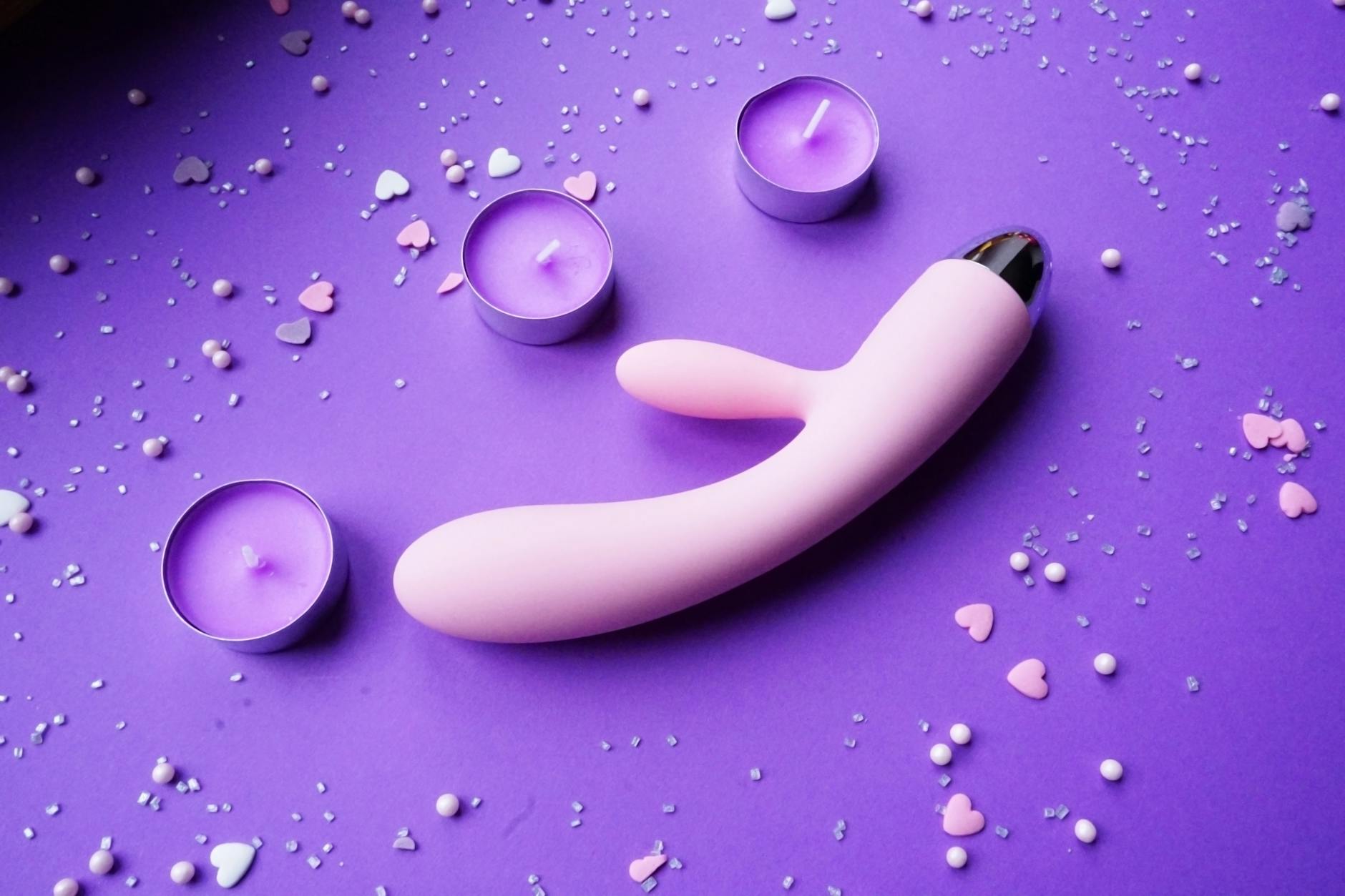
Let's name what's actually happening
Low libido feels like a personal failure. It's not. It's a signal. Your body is telling you something is off balance, and most of the time that signal gets ignored or shamed instead of listened to.
Here's what I see in my practice: people with low desire assume the issue is mechanical (broken arousal) when it's usually systemic (stress, disconnection, hormonal shifts, or relational friction). And they assume a solution needs to be complicated. It doesn't.
A lemon vibrator isn't a magic fix for low libido. But it can be a really smart first step in rebuilding desire because it removes friction, reintroduces pleasure without pressure, and actually tells you something useful about what's going on underneath the flatness.
The gap between desire and arousal (and why it matters)
Desire and arousal are different things. Desire is the wanting. Arousal is the physical readiness. Low libido usually means low desire, and when you try to force arousal without desire present, everything feels like work. That's the trap most people fall into.
When desire is genuinely flat, using any vibrator (lemon sucker or otherwise) while pushing yourself to feel interested will backfire. You'll create a negative association with the device and with sex itself. That's the opposite of helpful.
So the first move is honest diagnosis. Is your desire low because you're exhausted? Disconnected from your partner? Dealing with medication side effects? Grieving something? Stuck in performance mode instead of pleasure mode? Those are very different problems with very different solutions.
A lemon vibrator becomes useful only after you've asked that question.
How to rebuild desire without faking arousal
Start with non-goal sex. This sounds counterintuitive when you're trying to fix low libido, but it's the actual path forward.
Set time aside (fifteen to thirty minutes) with zero expectation of orgasm, arousal, or even feeling good. The goal is sensation and curiosity. This is where a lemon clitoral vibrator shines. Because suction-based stimulation feels genuinely different from vibration, it often cuts through numbness more effectively than traditional vibrators.
Start on the lowest setting. Don't try to build toward pleasure. Just notice what you feel. Tingling. Pressure. Warmth. Maybe nothing for the first few tries. That's not failure. That's data.
Many of my clients who've spent months feeling nothing discover that they can actually feel something with a lemon vibrator on pattern one. That small win reboots the nervous system. It says: I'm not broken. My body still responds. I just needed a different approach.
Do this without a partner present if possible. Remove the pressure to perform or explain. Sit with it. Use it for five minutes and stop. Do it again tomorrow. The goal is to remind yourself that you're capable of sensation, not to engineer an orgasm.
The physical reality of persistent low desire
If you've ruled out relationship problems and stress, hormones are worth investigating. Low libido can signal low testosterone (people with vulvas produce testosterone too), thyroid dysfunction, depression, or medication side effects. A doctor visit isn't sexy, but it's often the fastest path to answers.
In the meantime, here's what helps: consistent use of a lemon vibrator on low settings actually increases blood flow to the genitals and can help restore sensitivity that numbness has dulled. This is different from chasing orgasm. You're literally re-vascularizing tissue that's become less responsive.
Use it three to four times a week for two to three weeks, always on low intensity, always without the goal of cumming. Track what changes. Does sensation improve? Does desire start to creep back? If nothing shifts after a month, that's your signal to bring these observations to a doctor.
Low libido in relationships (the conversation part)
If you're partnered, low desire is a couple problem, not just your problem. That's hard to say and harder to navigate, but it's true.
Before introducing a lemon vibrator into partnered sex, talk about what low desire actually means to you. Is it low desire for your partner, or low desire for sex generally? Is it performance pressure? Resentment? Disconnection? Different answers lead to different solutions.
Some couples find that using a lemon vibrator together actually rebuilds intimacy because it removes the pressure for one person to "perform" arousal. Others find that the real issue was relational and the vibrator just highlights the gap. Both outcomes are useful information.
The key is naming it first. "I'd like to try using a lemon clitoral vibrator together" is a very different conversation than "I have low libido and it's a problem." One invites exploration. The other invites blame.
When to seek actual help
If low desire has persisted for longer than three months, or if it arrived suddenly alongside other mood changes, see a doctor. Low libido can indicate depression, hormonal imbalance, or medication side effects. None of those are fixed by a vibrator.
If low desire is tied to past sexual trauma or current relationship dysfunction, a sex therapist or couples counselor matters more than any device. A lemon vibrator can support that work, but it can't replace it.
If you're on antidepressants or blood pressure medication, talk to your prescriber about the timing of doses or switching medications. Sexual side effects are real, they're common, and they're often fixable.
The pleasure comeback is gradual (and that's okay)
Rebuild is not a sprint. When desire has been low for months or years, bringing it back takes patience. A lemon vibrator can accelerate the process because it's genuinely pleasurable without being demanding, but it's a tool in a larger practice.
That practice includes sleep (which directly impacts desire), stress management, reducing the mental load in your life where possible, and rebuilding emotional connection if you're in a relationship. It includes saying no to sex you don't want and only saying yes when something in you genuinely wants to. It includes touching your body outside of sexual contexts so pleasure isn't confined to goal-oriented moments.
Use the lemon vibrator as part of that. Start low, stay curious, remove the pressure to feel a certain way, and let desire rebuild on its own timeline.
Your libido will come back. It might look different than it did before. It might be quieter or more focused. That's not a loss. That's maturity.
FAQ: Low Libido and Lemon Vibrators
What if I don't feel anything when I use a lemon vibrator?
Nothing on the first try is totally normal. Your nervous system might be shut down from months of low desire. Use it on the lowest setting, three to four times, before deciding you can't feel it. Many people need three to five sessions before sensation registers. If you feel genuinely nothing after two weeks of consistent use, that's information for a doctor. It could indicate a nerve issue, medication side effect, or hormonal imbalance worth investigating.
Can a lemon vibrator actually increase libido or is that marketing?
A lemon vibrator can't create desire that isn't there, but it can restore sensitivity and reintroduce pleasure, which sometimes allows underlying desire to emerge. Think of it as removing a block rather than adding something new. The increased blood flow from consistent stimulation genuinely does improve tissue response over time. But if the real block is relational or hormonal, the device alone won't fix it.
Is it bad to use a lemon vibrator when I'm not actually aroused?
No. In fact, using a lemon clitoral vibrator without arousal present is exactly the right move when you're rebuilding desire. Arousal doesn't have to come first. Sensation can invite arousal. That's the whole point of starting on low settings without any goal except noticing what you feel.
How often should I use a lemon vibrator to rebuild libido?
Three to four times weekly works well for most people. More than that becomes routine instead of restorative. Stick with that frequency for three to four weeks before assessing whether desire is returning. If nothing shifts, increase to daily use for another week to see if that helps, then pause and reassess or bring the information to a healthcare provider.
Should I tell my partner I'm using a lemon vibrator to address low libido?
That depends on your relationship style and whether this is partnered sex or solo reconnection. If you're using it alone to rebuild desire before partnered intimacy, you don't have to share immediately. If you're using it together or if your partner has expressed concern about low desire, transparency helps. Frame it as "I want to reconnect with my body" rather than "I'm fixing a problem," which shifts the whole tone.
What if using a lemon vibrator makes low libido worse?
Stop and pay attention. If vibrator use feels like another performance task or triggers shame or anxiety, it's making things worse, not better. That's useful data. The issue is likely relational, trauma-based, or needs professional support. Using a device won't help if the real barrier is psychological. Talk to a therapist or doctor instead.
The bottom line
Low libido is fixable. It usually takes more than a vibrator, but the Lemon clitoral vibrator is a smart tool because it's genuinely different from other stimulation. It feels good without demanding arousal first. It's quiet and private if you're uncomfortable with devices. It's reintroducible over and over without the fatigue that comes from pushing yourself.
Start with the smallest settings. Remove all goals. Use it three to four times weekly for a month. Notice what changes in sensation, desire, and mood. If nothing shifts, see a doctor. If things improve, keep going and consider what else in your life needs attention. Desire rebuilds when you remove pressure and restore curiosity. A lemon vibrator can help with that first step. The rest is up to you.
For more on rekindling intimacy in relationships, read about <a href="/blog/how-to-use-lemon-vibrator-with-partner-communication-guide">how to use a lemon vibrator with your partner</a> and the importance of open communication. If stress and anxiety are dampening your desire, you might also explore <a href="/blog/how-to-use-lemon-vibrator-for-anxiety-and-stress-relief">how lemon vibrators can ease anxiety and stress</a>. And if you're unsure whether a lemon vibrator is right for you, check out <a href="/blog/how-to-tell-if-lemon-vibrators-are-right-for-your-body-type">how to tell if lemon vibrators are right for your body type</a>.
Have questions? <a href="/contact">Reach out to Hello Nancy</a>. We're here to help.