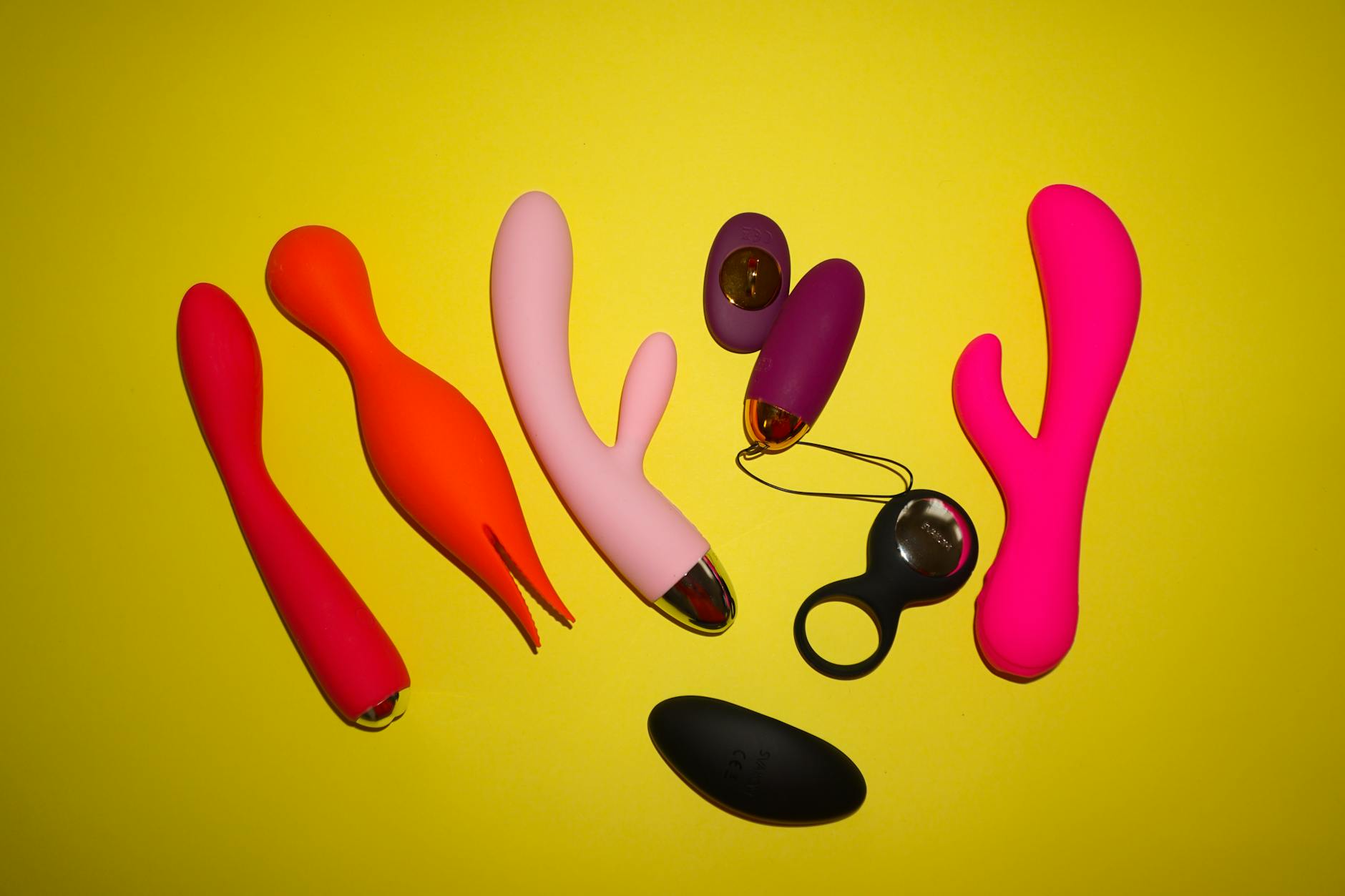
Let's be real about depression and sex
Depression doesn't just make you tired or sad. It rewires your brain's reward system. Dopamine drops. The pathways that light up when you experience pleasure go quiet. Sex, which used to feel like something you wanted, starts feeling like something you should want but don't. That gap between "I know I should feel like this" and "I actually feel nothing" is one of the most isolating parts of depression that nobody talks about openly.
When you're depressed, your body becomes a stranger. Touch that used to be pleasurable feels muted. Orgasm, if it happens at all, feels distant or hollow. Many of my clients describe it as watching themselves have sex through thick glass. They can see what's happening, but they can't feel it.
Here's the thing: this isn't laziness. It isn't a relationship problem masquerading as depression. It isn't something you can willpower your way out of by "trying harder" or "being more present." It's neurobiology. And it responds to different tools than pleasure usually does.
How depression specifically kills libido
Three neurochemical changes happen when depression takes hold.
Dopamine crashes. Dopamine drives desire. It's not about love or attraction. It's the chemical that makes your brain say "I want that." Depression depletes it, so even if your partner is attractive and the situation is right, your brain isn't sending the "want" signal. You feel broken. You're not.
Serotonin regulation fails. Low serotonin is part of depression's core signature. It also affects genital blood flow and sensitivity. Nerve endings get less responsive. What used to feel like touch now feels like... nothing much. Many antidepressants worsen this temporarily, which layers one problem onto another.
The prefrontal cortex goes offline. Depression quiets the thinking brain. This sounds unrelated to sex, but it's not. The prefrontal cortex manages anticipation, planning, and the mental component of arousal. Without it active, you can't fantasize, can't build anticipation, can't move from "should" to "want." You're stuck.
Why lemon vibrators work differently for depressed libido
A regular vibrator relies on you meeting it halfway. It amplifies sensation. But amplifying nothing still equals nothing. If your nerve endings are numb and your dopamine is crashed, a standard vibrator can feel like using a regular toothbrush on an area that's already gone silent.
Lemon clitoral vibrators use suction, not just vibration. That's a different sensory pathway. Suction doesn't require you to already feel something and amplify it. It creates a physical draw, a pressure change that stimulates nerves in a way that doesn't depend on your baseline sensitivity.
Think of it this way: a regular vibrator is asking a quiet brain to feel louder. A lemon sucker is creating a sensation so distinct that it cuts through the noise. It gives your nervous system something genuinely new to process.
For depressed libido specifically, this matters because it requires less emotional labor. You don't have to build anticipation. You don't have to feel desire first. You activate the device, and the sensation arrives without you having to do the mental work of wanting it.
Starting small when pleasure feels impossible
Depression is exhausting. Adding a task that feels obligatory will backfire. So start stupidly small.
Day one: just hold it. Don't turn it on. Just get familiar with the weight, the shape, the texture. Depression makes your body feel foreign. Reclaim one small corner of it by knowing what a lemon vibrator feels like in your hand. Two minutes, tops.
Day two: turn it on, fully clothed. Feel the vibration through fabric. No pressure to use it "correctly." You're teaching your nervous system that this object exists and isn't threatening.
Day three: same pattern, maybe two minutes longer. Rhythm matters. Consistency beats intensity when you're depressed. Daily exposure to something small builds neural pathways faster than occasional big efforts.
Week two: use it for two minutes. Not for an orgasm. Just use it. The goal is sensation, not outcome. Depression makes outcomes feel like failure if they don't match some imagined standard. Remove the standard.
The pattern settings that actually work with depression
Most lemon adult toys offer multiple patterns. When you're depressed, this paradox of choice becomes overwhelming. Here's what works.
Start with the lowest intensity, most consistent pattern. Avoid patterns that pulse or vary wildly. Your brain is already dysregulated. Consistent stimulation is easier to process than complexity.
Once you've used it for a week at that baseline, try the next intensity up. Slow progress. When depression has flattened your capacity, you're not looking for the most intense orgasm possible. You're looking for evidence that sensation is possible. Each small increase is proof.
Many people find that using a lemon vibrator during depression doesn't lead to traditional orgasm at first. That's not failure. Genital sensation returning is success. An orgasm is a bonus.
Logistics when motivation is zero
Depression makes logistics hard. Here's how to remove barriers.
Keep it in your bed. Not in a drawer. Not in a closet. In plain sight, on your nightstand. Friction kills depressed intention. If you have to retrieve it from somewhere hidden, you won't. The device needs to be as easy to access as your phone.
Set a time. Depression loves ambiguity because it lets you avoid decisions. Pick a specific time. Tuesday and Thursday mornings, ten minutes. Make it as routine as brushing your teeth. Routine requires no motivation.
Use lube. Depression often comes with dehydration (medications, reduced eating, less water). Always use lube. If tissue feels uncomfortable, your brain will use that as evidence that pleasure is impossible. Lube removes that variable.
Stop if it hurts. Depression creates pain in unexpected places. If suction feels uncomfortable, your nerve endings might be hypersensitive. Start with the lightest setting. There's no rush.
When depression medicine is part of the problem
Many antidepressants, particularly SSRIs, initially worsen sexual response and sensation. This is temporary but real. You're not imagining it.
If you started medication recently and lost libido completely at the same time, talk to your doctor about this. Lowering the dose isn't always the answer, but timing medication differently or switching to a class with fewer sexual side effects is sometimes possible. Some people find that adding a second medication specifically to counteract sexual side effects helps.
Use a lemon clitoral vibrator during this adjustment period anyway. You're creating a new neural pathway that isn't dependent on the old dopamine and serotonin patterns. You're building evidence that sensation is still possible even when everything feels chemical and wrong.
Rebuilding connection with your partner if you have one
If depression has hollowed out your solo pleasure, it's also likely affecting partnered sex. Here's what matters.
Separate the conversation about depression from the conversation about sex. "I'm struggling with desire because my brain chemistry is dysregulated" is different from "I don't want you." Your partner probably hears them as the same thing. They're not.
Using a lemon vibrator alone first, before involving a partner, does something important. It gives you proof that sensation is possible without the performance pressure of another person watching. Once you've felt something on your own terms, with zero expectations, the idea of shared pleasure becomes less loaded.
When you're ready to include your partner, keep it simple. A lemon vibrator isn't a replacement for them. It's a tool that can deliver sensation when your nervous system is too dysregulated to respond to touch alone. That's not a failure of your relationship. That's neurobiology.
When to see a therapist in parallel
A lemon vibrator isn't treatment for depression. It's a tool for rebuilding sensation during depression treatment. These two things happen at the same time.
If you're not already working with a therapist or psychiatrist, start now. Depression that's killed your libido is depression that's taken significant space in your nervous system. You need support beyond what a sex toy can offer.
If you're already in treatment and things aren't improving, tell your provider about this specific symptom. Many therapists don't ask. You have to name it. Libido returning is often a reliable sign that other symptoms are improving. It's worth tracking and discussing.
Rebuild slowly. Celebrate small changes. Your nervous system will remember pleasure again, but it needs time, consistency, and evidence that sensation is possible before it trusts the world again.
Frequently asked questions
Can I use a lemon vibrator if I'm on antidepressants?
Absolutely. In fact, many people find that using one during the adjustment period helps them track whether sensation is returning. Antidepressants can initially worsen libido, but as your body adjusts and depression lifts, sexual response usually improves. A lemon clitoral vibrator gives you feedback on that progress.
Will using a lemon vibrator alone make my depression worse?
No. If anything, the opposite is true. Pleasure activates reward pathways in your brain. Using a device that creates sensation, even small sensation, can gently wake up those pathways. The key is removing all performance pressure. You're not trying to achieve an orgasm. You're just teaching your nervous system that feeling is possible.
How long does it take to feel something again?
It depends on depression severity and how long you've been depressed. Some people notice sensation returning within two to three weeks of consistent use. Others take longer. The timeline isn't as important as the consistency. Daily use, even for five minutes, rewires faster than sporadic intense sessions.
What if I still can't feel anything after a month?
Then talk to your doctor or therapist. Persistent numbness, especially genital numbness, can indicate that your current depression treatment needs adjustment. It might also mean nerve damage from other causes, or that your medication needs tweaking. This isn't a personal failure. It's information.
Can I use a lemon vibrator if I have depression-related pain?
Yes, but gently. Depression often comes with somatic symptoms—physical pain that has no other clear cause. If you experience pain during use, start with the absolute lowest setting and use plenty of lube. If pain persists, see a doctor. Pelvic floor tension and depression often travel together.
Should I tell my partner I'm using a lemon vibrator while depressed?
That's your choice. If you're partnered and your depression has affected your sex life together, transparency helps. But you don't owe your partner every detail of your solo practice. If sharing feels like it will add pressure or become a negotiation, start alone. Once you've rebuilt your own capacity for sensation, partnered use becomes a choice, not a recovery project.