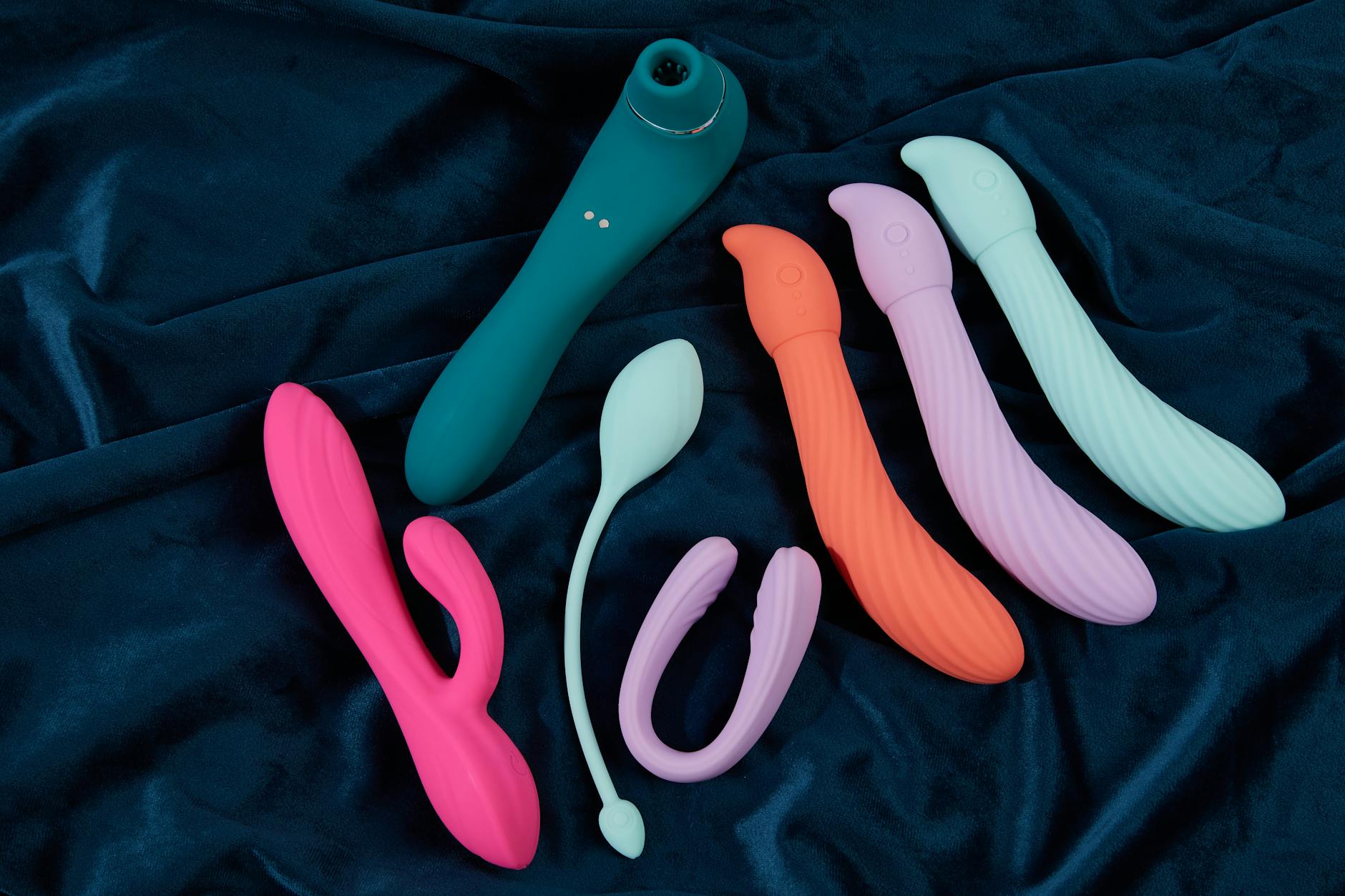
Let's start with the honest part
Age-gap relationships come with a whole set of assumptions about sex that are almost never true. The younger partner is supposed to be faster. The older partner is supposed to be slower. One wants it more. One wants it less. And if you introduce a lemon vibrator or any clitoral vibrator into the mix, there's this weird guilt that the younger partner shouldn't need it, or the older partner can't handle it.
All of this is wrong. And it's probably keeping you both from really good sex.
The physiology doesn't work the way you think it does
Age alone doesn't determine how fast someone gets aroused, how intense they like things, or what kind of sensation feels best. Yes, people with penises sometimes experience slower arousal after a certain age. People with vulvas sometimes need longer warm-up time. But plenty of 50-year-olds are faster to arousal than 30-year-olds. Plenty of older partners prefer intense, direct stimulation. Plenty of younger partners need time to build up.
The real variable isn't age. It's individual nervous system wiring, confidence, distraction level, and whether someone's actually enjoying what's happening.
When you introduce a lemon vibrator, something shifts. Suddenly the conversation isn't "your body is supposed to work this way." It's "here's a tool that lets us both get what we actually want." That's permission. And permission is sexy for everyone.
Why age-gap couples often struggle with toys
Three reasons, and none of them are about the toy itself:
1. The guilt load is real. Younger partners worry that needing or wanting a vibrator means something's wrong with their partner. Older partners worry that their partner wanting a vibrator means they're not enough. Both of these things are the same lie: pleasure is a pie. It's not. Pleasure is infinite. A lemon clitoral vibrator doesn't take away from what a partner brings. It adds.
2. Speed mismatch gets weaponized. Age-gap relationships often come with power dynamics that don't get named. If the younger partner finishes faster, that can feel like a win for the older partner (look how attracted they are to me). If the older partner finishes faster, it can feel like a loss (I'm slower, I'm aging out). A vibrator becomes evidence of who's winning instead of a tool for both of you to feel good.
3. Generational differences in comfort. An older partner may have never used a vibrator. They may have been taught that toys are shameful, unnecessary, or signs of dissatisfaction. Meanwhile, the younger partner might assume that vibrators are table stakes. That gap in expectation can create invisible friction.
How to actually introduce it without the awkwardness
First, separate the conversation from everything else. This isn't about your age difference. It's not about whether your partner is "enough." It's about pleasure. Say that.
"I want to use the Lem with you. Not instead of you. With you. Because I think we could both feel better." That's it. That's the opener.
Second, make it about sensation, not speed. Don't frame it as "I need help to finish." Frame it as "I want to see what this feels like with you inside me" or "Let's explore something together." The lemon suction vibrator works differently than manual touch. It's not faster or better. It's different. Curiosity, not deficit.
Third, go slow the first time. Not because your older partner is fragile or your younger partner is nervous, but because figuring out how two bodies work together takes time. Start with the vibrator on lower patterns. Build up together. Let your older partner hold it, use it, experiment. Shared control means shared trust.
What actually changes when you add a vibrator
Honestly? Everything gets easier.
If your older partner takes longer to get aroused, the vibrator gives them something to respond to while they're warming up. They're not lying there waiting to feel something. They're actively engaged. That changes the whole rhythm.
If your younger partner gets overwhelmed by intensity, you can use the vibrator on lower settings, take breaks, build back up. It gives you granular control over sensation instead of it being all-or-nothing.
If you've been having predictable, routine sex because one of you got tired or distracted, a lemon vibrator opens up new pathways. Different sensations mean different kinds of arousal, different kinds of orgasms, different kinds of connection.
And here's the thing that surprised most of the age-gap couples I work with: using a vibrator together actually creates intimacy. You're not performing. You're not trying to hit some speed or intensity target. You're exploring what feels good to both of you. That conversation is the opposite of lonely.
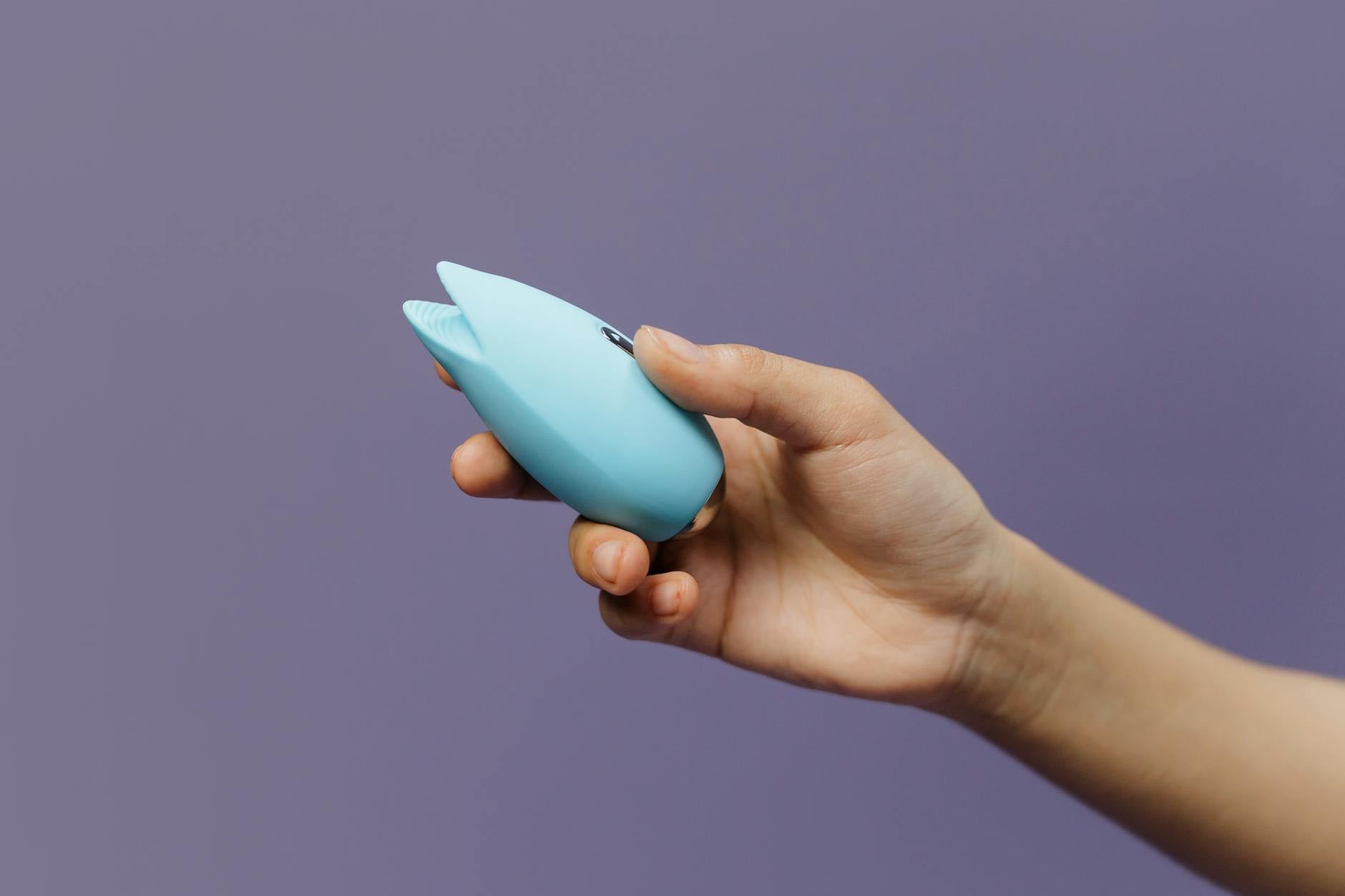
Photo by cottonbro studio on Pexels
The patterns that work best for mismatched arousal
If one of you needs more intensity than the other, here's what actually works: start with the vibrator on pattern 2 or 3 (medium suction, steady rhythm). Let the faster partner enjoy that while the slower partner is warming up. Then, as arousal builds, move to pattern 5 or 6 (more intense). This way you're both ramping up together instead of one person waiting around.
If one of you likes fast and the other likes slow, the Lem's patterns are actually your friend because you can switch mid-session. Fast patterns, then back to slow. You're meeting each other instead of compromising.
If one of you has medication or hormonal changes that affect sensation (which happens across all ages, but can show up differently), a clitoral vibrator lets you adjust without shame. No explanation needed. Just "let's try pattern 4 today."
When communication matters more than technique
Here's what I see trip up age-gap couples: they assume they know what the other person wants based on age. The younger partner assumes the older partner wants it quick and simple. The older partner assumes the younger partner wants it intense and risky. Neither assumption is based on actual conversation.
Before you bring a lemon vibrator into bed, ask directly. "What would you actually like to feel?" Not "what do you need help with." What would actually feel good. For your older partner, the answer might be "I want to see you finish." For your younger partner, it might be "I want to feel you inside me while something else is happening too."
Then use the vibrator to build toward that. It's a tool for your actual desires, not for fixing perceived problems.
The pleasure permission that age-gaps need most
Age-gap relationships carry this weird cultural weight. People judge them. People make assumptions. That can shrink the space where you both feel allowed to want things. A vibrator becomes evidence that you're not secretly resentful of each other or struggling in ways you can't say out loud.
But the vibrator isn't solving the relationship problem. Honest conversation is. The vibrator is just the excuse to have it.
When you use a lemon clitoral vibrator together, you're saying: "I want to feel good. I want you to feel good. I don't know exactly how to make that happen, but I'm willing to explore with you." That's the real intimacy. That's what changes.
FAQ
Does a lemon vibrator make sex with an older partner feel less intimate?
No. The opposite, actually. Intimacy is about presence and honesty. When you're both focused on sensation instead of performance targets, you're more present. You're checking in with each other more. You're laughing when something unexpected happens. That's more intimate, not less.
What if my older partner feels threatened by the vibrator?
That's usually not about the vibrator. It's about feeling like they're not enough. The conversation to have is "I love how you feel. I also want to explore this sensation. Those two things are not in conflict." If that doesn't land, there's likely something deeper about insecurity or control in the relationship that a toy can't fix. That might be worth talking to a couples counselor about.
Will my younger partner get bored with me if we use a vibrator?
Not if the vibrator is something you use together, not instead of together. The Lem works best as a partner to partnered sex, not a replacement for it. If your younger partner is losing interest in you and the vibrator is the symptom, the actual problem is something else.
How do I bring this up if we've been together for decades?
You've been together this long. You can handle a conversation. Keep it simple: "I want to try something new. I think we could both enjoy it." Then listen to the response without defending. If there's reluctance, ask what's underneath it. Shame? Worry? Low confidence? Address that, not the vibrator itself.
Is it normal for arousal to feel different at different ages?
Completely. But it's also normal for arousal to feel different person to person, independent of age. Some people are wired fast, some slow. Some want a lot of sensation, some want light touch. Those differences exist in your 20s and your 60s. A lemon suction vibrator just gives you another way to meet somewhere in the middle.
What if one of us has a health condition that affects arousal?
That's actually where clitoral vibrators shine. If medication, hormonal changes, or medical history is affecting sensation, a vibrator can bypass some of that by providing direct, consistent stimulus. You're not trying to fix the body. You're working with it. That's important. That's respect.
The bottom line
Age gaps don't mean one person has more desire than the other. They don't mean one of you is slower or faster. They mean you might have different histories, different confidence levels, different assumptions about what's normal. A lemon vibrator doesn't fix that. It just makes it easier to have the conversation. Use it as an opening, not an answer. The real connection happens when you're both willing to explore together.