Here's what nobody tells you about perimenopause and pleasure
Perimenopause is messy. Not in the way we talk about it in wellness circles. I mean messy as in inconsistent, unpredictable, and wildly different from month to month. Your hormones aren't simply dropping. They're fluctuating sharply, spiking, plateauing, then dropping again over the course of months or years.
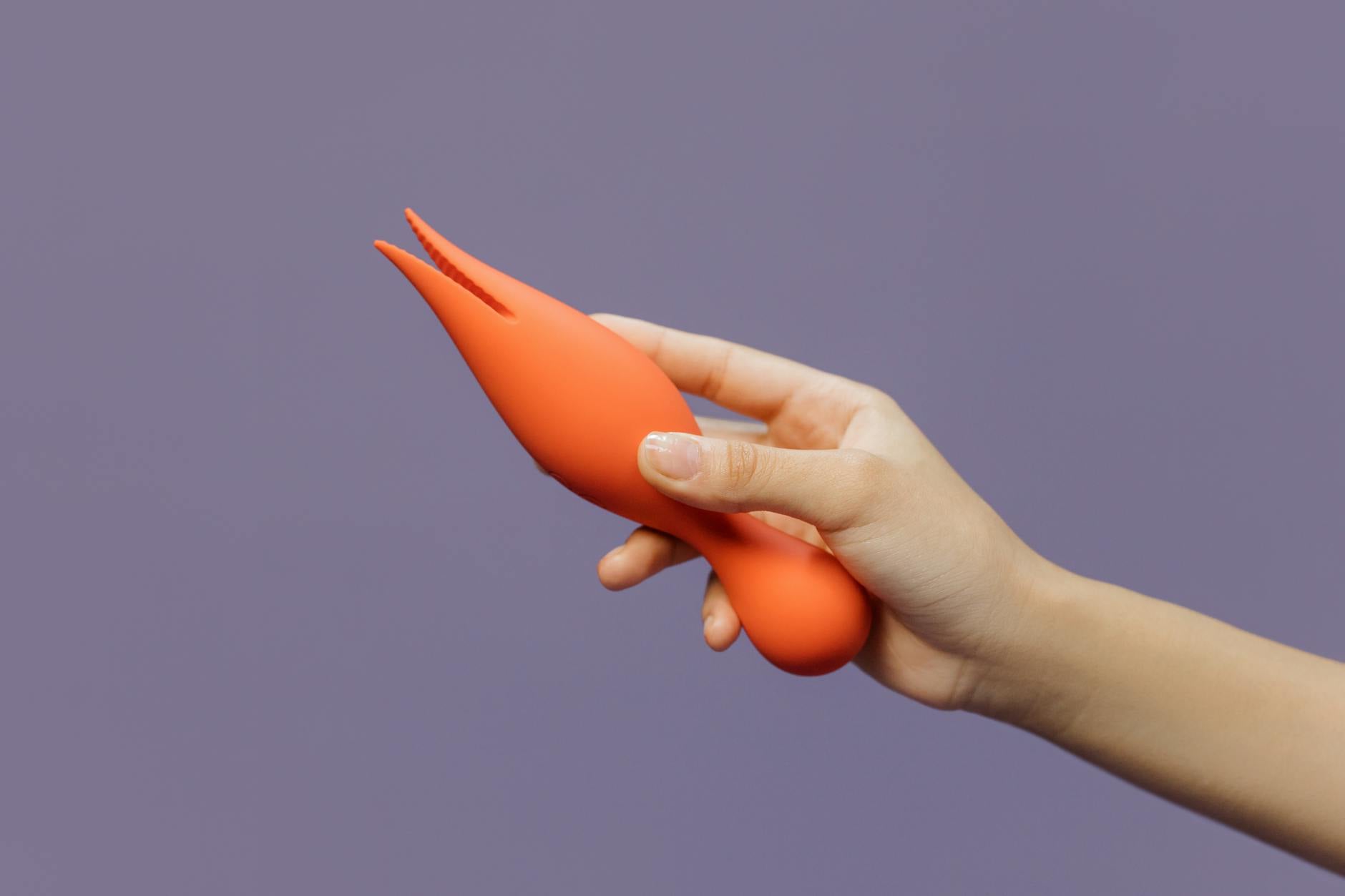
And that fluctuation changes how your body responds to touch, how quickly you become aroused, and how your nervous system handles stimulation. Which is exactly why a lemon vibrator becomes so useful during this phase. Unlike a partner or even your hand, the lemon clitoral vibrator removes the pressure for your body to respond a certain way and lets you work with whatever is actually happening today.
The perimenopause hormone roller coaster explained simply
In your reproductive years, estrogen and progesterone follow a predictable monthly cycle. In perimenopause, that stops being predictable. Your ovaries send out uneven signals. Some months estrogen spikes high. Other months it drops unexpectedly. Progesterone becomes inconsistent too.
This matters for pleasure because estrogen affects:
Clitoral and vaginal blood flow. Higher estrogen brings more engorgement and faster arousal. Lower estrogen means slower response and less obvious physical signs that you're getting turned on.
Vaginal lubrication. The glands that produce natural wetness are estrogen-sensitive. When hormones shift, lubrication becomes unpredictable. You might be wet one day and dry the next, even if the trigger is identical.
Neurological sensitivity. Estrogen influences how your nervous system processes touch. During high-estrogen phases, sensation feels more intense. During low phases, you might need more direct or sustained stimulation.
These shifts don't mean your pleasure is broken. They mean your body is working with a moving target, and the suction mechanism in a lemon clitoral vibrator is specifically designed to work across all of these states.
Why the lemon vibrator works better during hormonal fluctuation
A traditional vibrator relies on vibration alone. That means if your tissue sensitivity is low, the vibration might feel muted or even uncomfortable. If you need more stimulation, higher vibration settings help, but they can overstimulate sensitive tissue on high-estrogen days.
A lemon vibrator uses gentle suction combined with soft pulse patterns. The suction mechanism doesn't depend on your tissue being in a particular state. It works whether you're well-lubricated or drier. It works whether your clitoral tissue is engorged or less swollen. The sensation changes slightly with your cycle, but the tool itself stays effective.
That's the difference. You're not chasing your hormones with a tool designed for one state. You're using one that adapts.
The perimenopause pleasure timeline within your cycle
Understanding what's happening when helps you time your lemon vibrator use and adjust your expectations.
During and just after your period. Estrogen is low. Progesterone is low. You might feel less interested in touch, and arousal might take longer. Your clitoral tissue might feel less pronounced. If you want to use your lemon vibrator now, warm up longer before starting suction, and start on lower suction levels. This is not the wrong time to use it. It's just a time when patience matters more.
Follicular phase, leading up to ovulation. Estrogen is climbing steadily. You'll probably notice you're more interested in sex, arousal comes faster, and your tissue feels fuller and more sensitive. This is often when the lemon vibrator feels best. Your body is doing half the work. You might reach orgasm faster and sensation might feel more expansive. Use this phase to explore patterns you love and to establish baseline settings.
Ovulation. Peak estrogen. Peak sensation. Peak desire. If the follicular phase was good, ovulation day often feels excellent. This is a fine time to use your lemon vibrator, though some people find they need slightly lower intensity because sensation is so heightened.
Luteal phase, post-ovulation. Progesterone rises. Estrogen is still decent but beginning to decline. You might feel more introspective. Arousal changes. Some people find the sensation of the lemon vibrator more grounding and intense during this phase. Others need longer warm-up. Neither is wrong. This is where experimenting with different suction patterns matters most.
How to adjust your lemon vibrator technique across the cycle
You don't need different tools for different times. You need flexibility in how you use the one you have.
Warm up longer. During low-estrogen phases (menstrual and late luteal), spend 15 to 25 minutes on foreplay or gentle self-touch before you move to the lemon vibrator itself. This isn't wasting time. You're building arousal so your body can meet the tool halfway.
Start on lower suction settings. Your lemon vibrator has multiple patterns. Begin on patterns 1 or 2, not 3 or 4. As arousal builds, you can move up. This prevents overstimulation on high-estrogen days and gives your tissue time to respond on lower-estrogen days.
Use lubricant during drier phases. If you're in a low-estrogen phase and natural lubrication feels light, add a water-based lubricant to the rim of your lemon clitoral vibrator. This isn't admitting failure. It's working with what your body is actually doing.
Shift your focus during the luteal phase. The luteal phase (after ovulation) feels different. Some people find direct clitoral suction less pleasant and prefer using the lemon vibrator with a broader motion, covering more area. Others love the intensity. Pay attention to what feels good and give yourself permission for it to be different than last week.
The emotional piece that makes physical technique matter
Here's what I see with people navigating perimenopause. The physical changes are real, but the emotional weight makes them harder.
You might interpret slower arousal as a sign your sexuality is fading. You might read dryness as your body saying no when it's actually just saying different. You might feel resentment that your body stopped doing what it used to do automatically.
Using a lemon vibrator during this phase is partly about accommodating the physical shifts and partly about reframing them. When you use your lemon vibrator and it works, when you warm up and it works, when you add lubricant and sensation returns, you're not fixing something broken. You're learning your body in a new season.
That learning is valuable. Many people tell me their pleasure actually deepens during perimenopause because they stop assuming their body will do what they want and start actually paying attention to what it needs.
When to check in with a doctor about perimenopause and pleasure
Bothersome perimenopause symptoms happen for about 4 to 10 years. But some changes warrant a conversation with a gynecologist.
If dryness is severe and lubricant doesn't help enough, vaginal estrogen cream is available and simple to use. It works locally on vaginal tissue with minimal systemic absorption.
If your periods become very heavy or irregular in a way that alarms you, get it checked. Some hormonal shifts during perimenopause are normal. Some signal something else that deserves attention.
If you lose all interest in sex and you want that to change, hormone therapy or counseling is worth discussing. Perimenopause often arrives with other life transitions. Sometimes low desire is hormonal. Sometimes it's grief, stress, or a relationship that needs attention. A good doctor or therapist helps you sort the difference.
Common questions about lemon vibrators and perimenopause
Does the lemon clitoral vibrator feel different during perimenopause? Yes. The sensation will shift as your hormones shift. During high-estrogen phases, suction might feel more intense and pleasure might build faster. During low-estrogen phases, you might need more warm-up time or slightly higher suction intensity. This is normal and manageable.
Should I use my lemon vibrator less often during perimenopause? No. Regular use actually helps. It keeps blood flow strong, helps you stay familiar with your body as it changes, and prevents the desensitization that comes from avoidance. Aim for solo practice at least twice a month, more if you enjoy it.
Can the lemon vibrator help with mood swings and irritability? Orgasms release dopamine and oxytocin, both of which improve mood and reduce stress. People who maintain regular sexual pleasure during perimenopause often report better emotional regulation. It's not a cure for hormonal mood shifts, but it's a useful tool in your coping kit.
Is it okay to use my lemon vibrator during my period? Absolutely. Some people love it during menstruation. The increased pelvic congestion actually makes sensation feel richer. Others prefer to skip it. Your call. Clean your lemon vibrator afterward like usual.
Do I need to change the lube I use during perimenopause? Water-based lubricant is your safest bet throughout perimenopause. It's compatible with silicone toys and with your body's chemistry. Reapply as needed during longer sessions. Silicone lube lasts longer but can degrade silicone toys over time.
Will using my lemon vibrator help with hot flashes or night sweats? Orgasms cause a temporary increase in body temperature followed by cooling as you relax. Some people find this helps them feel less bothered by hot flashes. It's not a treatment, but it can be a moment of pleasure during a frustrating symptom.
The real truth about perimenopause and your lemon vibrator
Perimenopause is not a deadline. It's not the beginning of the end. It's a transition that lasts several years, and pleasure doesn't disappear. It transforms.
Your lemon clitoral vibrator is useful during this transition because it meets you where you actually are, not where you think you should be. It works with fluctuating hormones instead of against them. And every time you use it and it works, you're gathering evidence that your body still knows how to feel good.
That matters more than you might think.