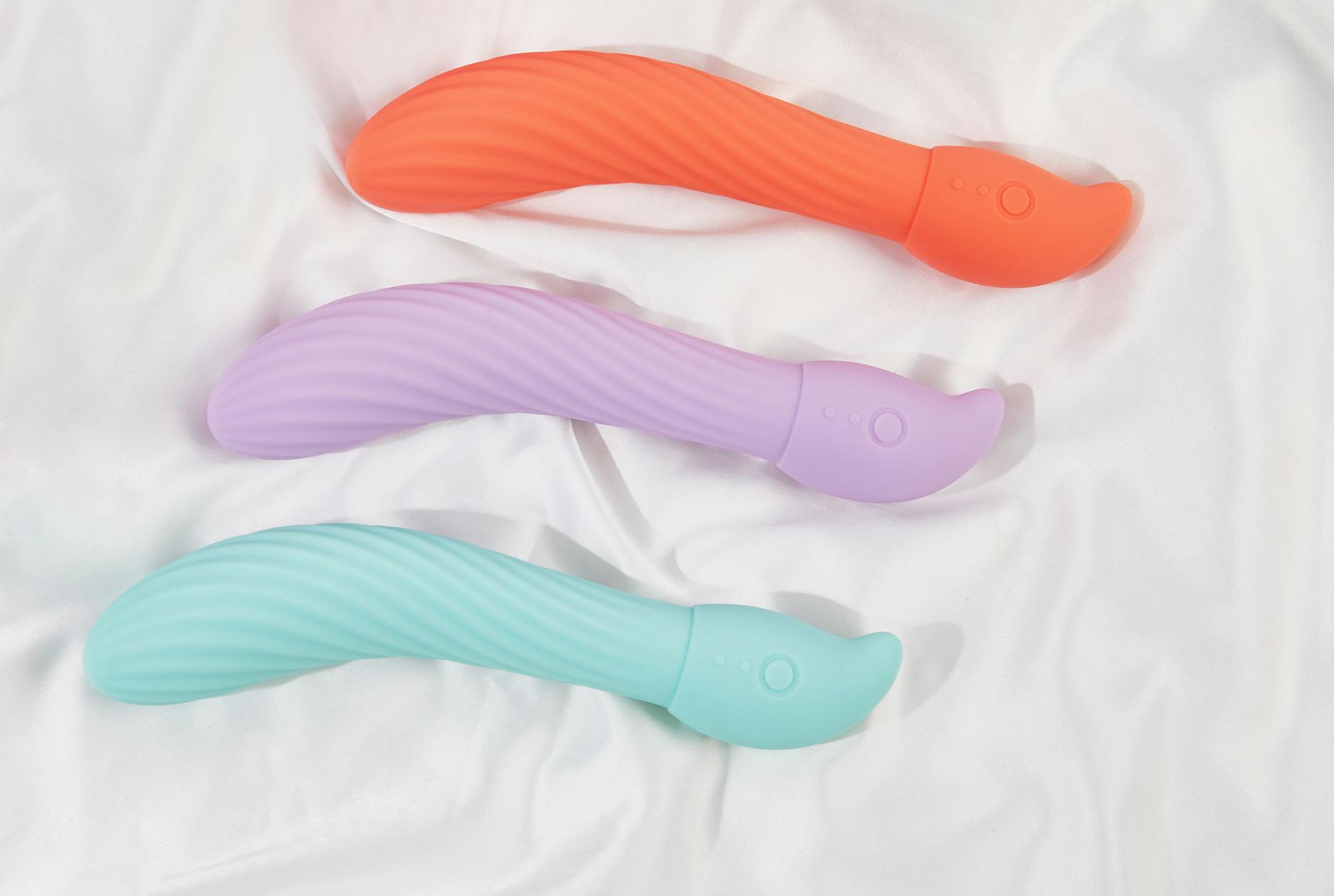
Let's talk about pain and pleasure at the same time
Here's the thing nobody says clearly enough: pain during sex and pain around pleasure are real, common, and they're not a reason to stop exploring your body. They're a reason to change how you explore it.
Vulvodynia, endometriosis, pelvic floor dysfunction, and post-surgical tension all affect how your body responds to stimulation. A traditional vibrator with high-frequency vibration can feel overwhelming or even painful. But that doesn't mean clitoral pleasure is off the table. It means you need a different tool.
That's where air-suction technology like the lemon clitoral vibrator comes in. As a marriage and family therapist who works with couples navigating pain conditions, I've seen how the right tool can transform a painful experience into something actually enjoyable. This post walks you through how suction works differently than vibration, and exactly how to use a lemon vibrator when your pelvic floor is sensitive.
How air-suction feels different from traditional vibration
A standard vibrator uses rapid back-and-forth motion. It's effective for many people, but for those with vulva pain or pelvic tension, that repeated friction can feel irritating or even triggering.
Air-suction technology works differently. Instead of vibrating against the clitoris, the lemon clitoral vibrator uses gentle waves of suction that stimulate the nerve cluster around the vulva without direct friction. Think of it as a gentle pull and release, rather than a buzz.
For people with endometriosis or pelvic floor dysfunction, this distinction matters enormously. Suction stimulation typically:
- Feels less irritating on inflamed or sensitive tissue
- Requires less direct pressure
- Builds arousal more gradually
- Reduces pelvic floor tension rather than triggering it
- Still produces orgasm, often with less residual discomfort
This is why many people with vulvodynia or interstitial cystitis report that a lemon vibrator becomes their go-to tool when other options feel impossible.
Understanding your pelvic floor and why it matters
Your pelvic floor is a hammock of muscles that supports your bladder, uterus, and bowel. When you're in pain, stressed, or anticipating pain, those muscles tighten involuntarily. This tension then makes arousal harder, makes orgasm harder, and makes the pain worse. It's a loop.
Endometriosis adds another layer: inflammation in the pelvic cavity often triggers pelvic floor tension as a protective reflex. Your body is trying to guard itself. Using a lemon sexual toy with air-suction can actually help interrupt that loop because:
- The gentler stimulation doesn't trigger a protective tensioning response
- Successful arousal and orgasm signal safety to your nervous system
- Post-orgasm relaxation actually releases pelvic floor tension
If you've been avoiding pleasure because you expect pain, that avoidance itself becomes part of the problem. A lemon clitoral vibrator gives you a way back in.
How to start with a lemon vibrator if you have pain conditions
Five steps to set yourself up for success:
Step 1: Start with the lowest setting. The lemon vibrator has multiple suction intensities. If you're new to it or managing pain, begin at pattern one or two. This is not a "building up" situation where you eventually use higher settings. Many people with vulva pain find they never need to go above three or four.
Step 2: Use it outside first. This matters if you have vulvar pain or endometriosis. Don't go directly internal. Suction over the external clitoris and vulvar tissues first gives your nervous system time to recognize the sensation as non-threatening.
Step 3: Pair it with the right lubricant. Even though suction doesn't require as much lubrication as friction-based vibrators, a water-based lube helps. It reduces any micro-irritation and makes the sensation feel more gliding than grabbing. Avoid anything with glycerin if you're prone to yeast infections.
Step 4: Give yourself 20-30 minutes. Arousal builds slower when you're managing pain, and that's completely normal. Don't rush toward orgasm. The goal is to explore sensation without pushing into discomfort.
Step 5: Stop if anything hurts. This is the non-negotiable rule. Gentle discomfort as you warm up is different from pain. If there's a sharp pain, burning, or a sensation that feels unsafe, stop immediately and remove the toy. Pleasure should expand your experience, not contract it.
Why lemon adult toys work better than vibration for some pain conditions
Research on clitoral suction and vulvodynia is still emerging, but clinical observations and patient reports are consistent: people with pain conditions often have better experiences with suction-based tools than traditional vibrators.
One reason is neurological. Your clitoris has roughly 8,000 nerve endings. Rapid vibration can overwhelm that sensory system, especially if you're already managing chronic pain. Suction activates those nerves differently. It's more of a sustained pull than a constant buzz, which many nervous systems find less triggering.
Another reason is physical. Vulvodynia and endometriosis both involve inflammation. Suction doesn't create the friction that can aggravate inflamed tissue. For people recovering from pelvic surgery or managing interstitial cystitis, this can be the difference between pleasure being possible and pleasure feeling impossible.
If you've tried other clitoral vibrators and found them painful, a lemon vibrator isn't automatically your answer. But it's absolutely worth trying before assuming that pleasure with a pain condition is off the table entirely.
Communication with your partner about pelvic pain
If you're using a lemon clitoral vibrator because of pain, your partner deserves to understand what's happening and why.
Here's what I often suggest in therapy: separate the conversation about your pain from the conversation about your pleasure. "My body needs something gentler right now" is different than "I don't want to have sex with you." The first is about the tool. The second is about desire or connection. Confusing them creates blame where there's actually just biology.
If you're partnered, you might say: "I want to explore pleasure, and my body feels better with suction than with vibration. I'd love if you could help me experiment with this, or just spend time with me while I do." That invitation keeps your partner involved rather than sidelined.
For long-distance partners or solo exploration, a lemon sexual toy gives you agency. You're not waiting for someone else to figure out what your body needs. You're learning it yourself.
When to see a healthcare provider
Pleasure and pain management aren't either-or situations. If you have vulvodynia, endometriosis, or pelvic floor dysfunction, you likely already have a healthcare provider involved. Here's what to bring to that conversation:
- If pain during arousal is new or worsening, it's worth mentioning. Sometimes medication or physical therapy can help alongside pleasure exploration.
- If you're consistently unable to get aroused without significant pain, that's something to discuss with a pelvic floor physical therapist. They can teach you relaxation and tension-release techniques that complement toy use.
- If you're on hormone therapy or taking medications that affect lubrication or sensation, your provider might have suggestions about timing or additional support.
A good pelvic floor physical therapist can actually teach you how to use breathing and relaxation techniques while using a lemon clitoral vibrator, which deepens the benefit. It's not just the tool. It's the nervous system awareness you're building.
The larger permission you're giving yourself
Using a lemon vibrator when you have pelvic pain isn't settling for less pleasure. It's refusing to accept that pain gets to take pleasure too.
Your vulva isn't broken. Your pelvic floor tension is a symptom, not a sentence. A lemon clitoral vibrator designed with gentleness in mind gives you a path back to the sensation and orgasm that might feel out of reach right now.
Start low. Start slow. Listen to your body. And remember: the goal isn't to push through pain. It's to find the pleasure that exists on the other side of it.
FAQ
Can a lemon vibrator help with endometriosis pain?
A lemon clitoral vibrator can help manage endometriosis pain in two ways. First, the suction-based stimulation doesn't require the friction that can aggravate inflamed pelvic tissue. Second, successful arousal and orgasm trigger a relaxation response that reduces pelvic floor tension, which endometriosis often causes. That said, a lemon vibrator isn't a treatment for endometriosis itself. It's a tool for pleasure within the condition. If your endometriosis pain is severe, talk to your healthcare provider about whether any form of sexual stimulation is appropriate during a pain flare.
Is suction safer than vibration for vulvodynia?
For many people with vulvodynia, yes. Air-suction tools like a lemon clitoral vibrator can feel less triggering because they stimulate nerves without the repetitive friction that standard vibrators create. That said, vulvodynia varies widely between individuals. What feels good for one person might feel wrong for another. Start with the lowest setting, go slowly, and stop if anything hurts. Some people with vulvodynia find that suction feels perfect. Others do better with very gentle vibration or even manual stimulation. Your body will tell you.
How does a lemon vibrator compare to other air-suction toys?
All air-suction clitoral vibrators use similar technology, but the lemon vibrator is specifically designed with gentleness in mind. Its pattern options tend toward softer, more gradual sensations. Some other suction toys are stronger and more intense. If you're managing pain, the lemon vibrator's gentler patterns are often a better starting point. You can always explore other options once you understand what intensity levels work for your body.
Can I use a lemon vibrator if I have pelvic floor dysfunction?
Yes, but approach it carefully. Pelvic floor dysfunction means the muscles are either too tight or too weak. If your issue is hypertonic pelvic floor (muscles that are too tight), a lemon clitoral vibrator can actually help because the relaxation that follows orgasm releases tension. If your issue is hypotonic pelvic floor (weak muscles), you'd want to pair toy use with pelvic floor physical therapy. Don't try to solve it with the vibrator alone.
What's the difference between lemon vibrators and traditional clitoral vibrators for pain?
The main difference is the mechanism. Traditional vibrators use rapid vibration that can feel overwhelming or irritating on sensitive or inflamed tissue. Lemon clitoral vibrators use air-suction waves that stimulate nerves without friction. For people with vulva pain, endometriosis, or pelvic tension, that difference is huge. That said, not everyone with pain needs or wants suction. Some people find gentle, low-frequency vibration works fine. The point is to explore what feels good rather than assuming all vibrators feel the same.
Should I tell my healthcare provider I'm using a lemon vibrator?
If you have a pelvic floor physical therapist or gynecologist, yes. They're not there to judge. They're there to help you manage your condition. If you're using a lemon clitoral vibrator specifically because of pain or dysfunction, your provider might have suggestions about timing, technique, or complementary strategies. They might also recommend pairing toy use with pelvic floor relaxation exercises or other therapies.
If you're curious about how lemon sexual toys fit into your overall approach to pleasure, a good starting point is understanding why lemon clitoral vibrators work better for sensitive skin. You might also find it helpful to explore how to recover sensation after lemon vibrator desensitization if you've experienced numbness in the past.