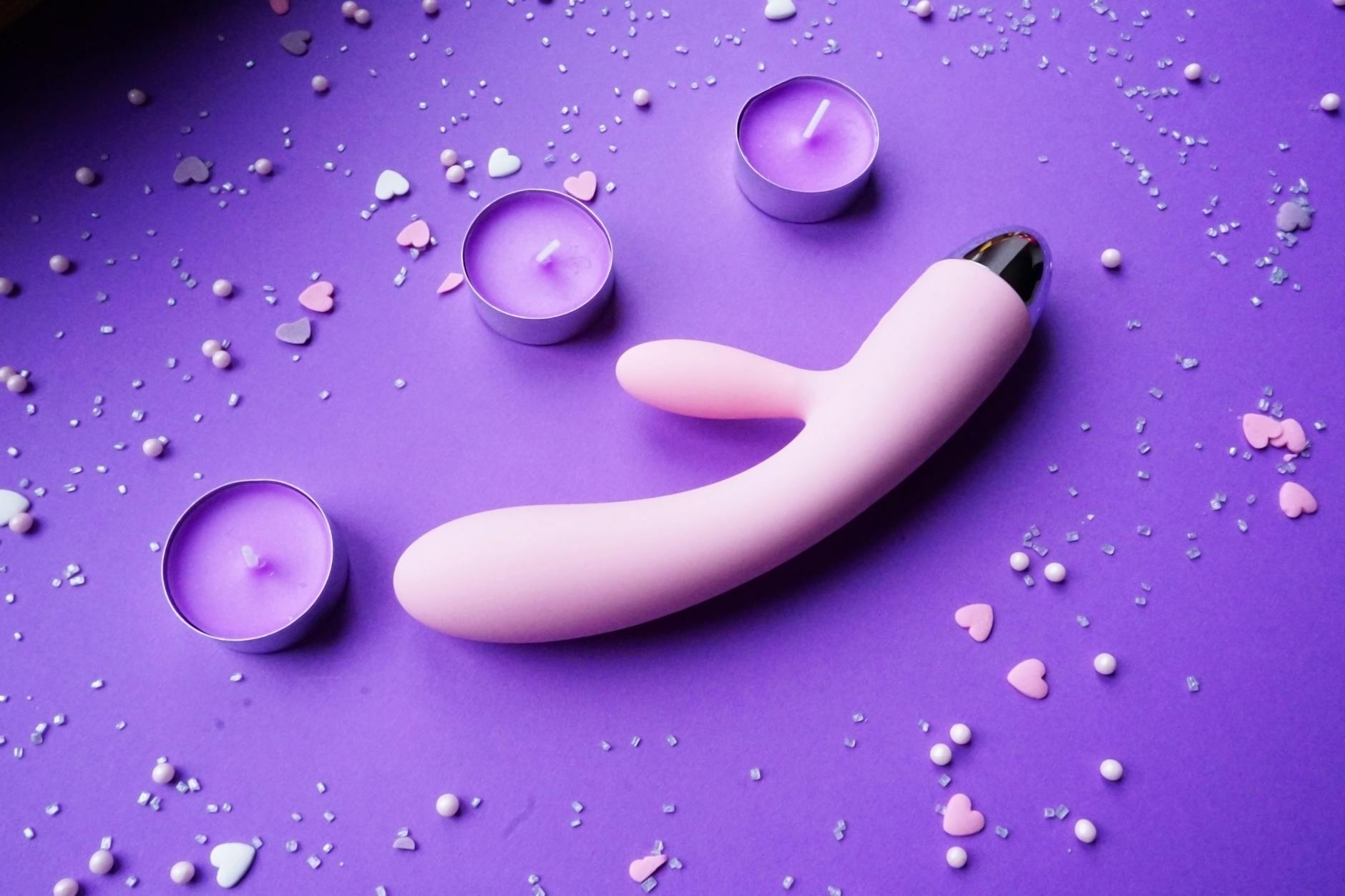
Let's talk about vibration patterns like adults
Here's what nobody tells you: just because a lemon clitoral vibrator has ten intensity levels doesn't mean you need to use them all. Or that starting on level one is the right move. Your body isn't a one-size-fits-all dial, and treating it like one is why so many people end up frustrated, numb, or convinced they're "broken" when really they just picked the wrong setting.
I work with couples and individuals navigating intimacy all the time, and intensity selection comes up constantly. People think they're the problem. They're not. They just haven't figured out their own rhythm yet.
Why intensity isn't just "stronger equals better"
Your nerve endings have preferences, and they're weirdly specific. A lemon vibrator uses suction and pulsation to stimulate, which is mechanically different from a traditional vibrator. That difference matters when we're talking intensity.
The clitoris has roughly 8,000 nerve endings concentrated in a space the size of a pea. Too much intensity too fast overwhelms those nerves. Your body responds by numbing out, which feels like nothing's working. Too little intensity, and you never reach the stimulation threshold you actually need. Finding the middle ground is personal work, not a universal truth.
Most people jump straight to level seven because they assume "more = better." Then they spend twenty minutes chasing an orgasm that never arrives and conclude the toy isn't for them. The lemon vibrator works. Your intensity level just wasn't the right starting point.
Start low and listen to what your body tells you
I always recommend beginning on levels one through three, even if that feels timid. Especially if it feels timid. Here's why: you're not testing the toy's power. You're testing your own sensitivity and arousal window on a given day.
Your responsiveness changes based on:
- Where you are in your cycle (if you menstruate)
- How relaxed your pelvic floor is
- How much mental arousal has already happened
- Stress, sleep, and hydration status
- Whether you're with a partner or alone
Levels one and two are your reconnaissance mission. You're gathering data. Can you feel the pulsation? Does it feel pleasant? Is there any discomfort? If the answer to all three is yes, you might stay there for a full session, or you might work your way up to level four or five.
This isn't boring. This is you learning yourself.
The pattern versus intensity distinction
Many lemon sexual toys have both: intensity (how strong the overall stimulation is) and pattern (the rhythm or sequence of pulses). This is where things get interesting.
A gentle intensity on a complex pattern can feel more engaging than max intensity on a steady pulse. Your brain is getting novelty and variation, which actually deepens arousal rather than flattening it.
If you're new to the device, isolate one variable at a time. Pick a pattern you like (or just stick with steady pulse) and experiment with intensity. Once you've found your intensity sweet spot, then you can play with switching between patterns mid-session. Building one skill before adding another prevents overwhelm.
Common intensity mistakes I see (and how to fix them)
Mistake one: "I went straight to level eight and now nothing works." Your nerves are fatigued. Take a break for a few days. When you return, start at level three. Numbness isn't permanent, but it needs recovery time.
Mistake two: "I can only finish on the highest setting." You've conditioned your body to need maximum input. This is fixable, though it takes patience. Spend a week exploring levels four through six. Your sensitivity will gradually recalibrate. It's the opposite of building tolerance. You're retraining your nervous system.
Mistake three: "My partner likes level six but I need level three, so we can never use it together." This is relationship gold, actually. It means you're different, which is true for most couples. The answer isn't finding a universal level. It's taking turns, or one of you using the toy while the other uses their hands, or finding a pattern compromise that lands somewhere in the middle for both of you.
How to find your personal intensity baseline
Set aside fifteen minutes when you're relaxed, alone, and have no time pressure. Not every session needs this level of attention, but at least once, approach it like an experiment.
Start at level one. Spend two full minutes there. Notice the sensation. Does your body relax or tense? Is there any pain? (There shouldn't be. Pain is a stop sign.) Then move to level two. Another two minutes. Are you feeling more pleasure, or just more of the same sensation?
Keep going up slowly. Most people find their sweet spot between levels three and five. Some land at six or seven. A few genuinely prefer staying low. None of these answers are wrong.
Write down what you find. You're building a personal manual for your own pleasure. In a relationship, share this with your partner. "My baseline is level four" is useful information.
Pattern play once you've found your intensity
Once you know your intensity baseline, patterns become tools for variety and depth. You might start a session on steady pulse at your baseline level, then switch to a rolling pattern halfway through, which creates novelty without suddenly maxing out the intensity.
Some people find that alternating between two patterns keeps arousal climbing without fatigue. Others need to stay on one pattern the whole time. Both are normal.
If you're using a lemon clitoral vibrator with a partner, let them experiment with the patterns while you stay still. You'll feel changes you might not have noticed on your own. Shared exploration beats solo guessing.
When intensity feels wrong (and what to do)
If every level feels either numb or uncomfortable, a few things might be happening.
First: check your technique. The Lem and similar lemon vibrators work best with the suction cup fully sealed against your skin. If there's a gap, stimulation scatters. Angle matters too. You're not looking for the most intense sensation. You're looking for the right angle plus the right intensity.
Second: consider your arousal window. If you're not genuinely turned on, maximum intensity won't help. Spend ten minutes on mental arousal, partnered touch, or whatever gets your body interested. Then return to the toy.
Third: rule out numbness from previous sessions. A few days off recalibrates everything.
If none of that works and you genuinely feel no pleasure at any level, you might not be a lemon vibrator person, and that's fine. Not every tool works for every body. But I'd give it three solid attempts across a week before concluding that.
The intensity conversation with partners
If you're using a lemon adult toy with someone, intensity settings become part of your intimate communication. Not a big negotiation. Just reality.
"I like starting at level three and staying there" is useful. So is "Can we try level five today?" Different doesn't mean incompatible. It means you get to take turns, or find compromise, or use multiple toys.
The couples I work with who navigate these conversations well tend to have better overall intimacy. They've practiced saying what they need without shame. They've accepted that sameness isn't the goal. Meeting each other where you are is.
FAQ
Why does my lemon vibrator feel stronger on some days than others?
Same device, different nervous system state. Stress, hydration, pelvic floor tension, and where you are in your menstrual cycle all shift how you perceive intensity. This is normal. Your baseline might genuinely shift by a level or two depending on the day.
Can I damage my sensitivity by using high intensity settings?
Temporary numbness can happen from overuse or fatigue. It's reversible with rest. Permanent desensitization isn't really a thing with vibrators the way it is sometimes discussed. What people usually experience is a conditioned preference for higher intensity, which you can retrain if you want to.
Should I always warm up with lower intensities before going higher?
Not always, but it's a solid strategy. Your body responds better to gradual building. It's not necessary, though. Some people jump straight to level five because that's their sweet spot. Listen to your body, not a rule.
What if my partner and I have totally different intensity preferences?
This is one of the most common couple dynamics I see, and it's genuinely not a problem. Use separate toys if that feels easier, or take turns choosing the level. You might find a compromise intensity that lands between your preferences. The conversation matters more than the setting.
Is there a "wrong" intensity level?
Only two wrong levels: one that causes pain, and one that doesn't bring you pleasure. Everything else is just information about what you like. There's no achievement unlocked at level ten.
How long does it take to find your intensity baseline?
Some people know instantly. Others take a few sessions. Most people find it within a week of mindful exploration. If you're still searching after two weeks of regular solo use, you might not be a lemon vibrator fit, and that's okay.
The real thing about intensity
Intensity settings exist so you can meet your own body exactly where it is. Not where you think you should be. Not where someone else is. Your baseline might be level two and that's complete, full-body pleasure. Someone else's might be level six. Both of you are winning.
The couples and individuals I work with who have the best relationship with their bodies and their pleasure are the ones who stopped chasing intensity as a measure of success. They got curious about what actually felt good. They gave themselves permission to prefer what they prefer.
That's what the intensity dial is really for. Not proving anything. Just finding your own answer.
If you want to explore this conversation further with a partner, or you're navigating pleasure and intimacy in a relationship transition, I'm here to help. Reach out to start a conversation.