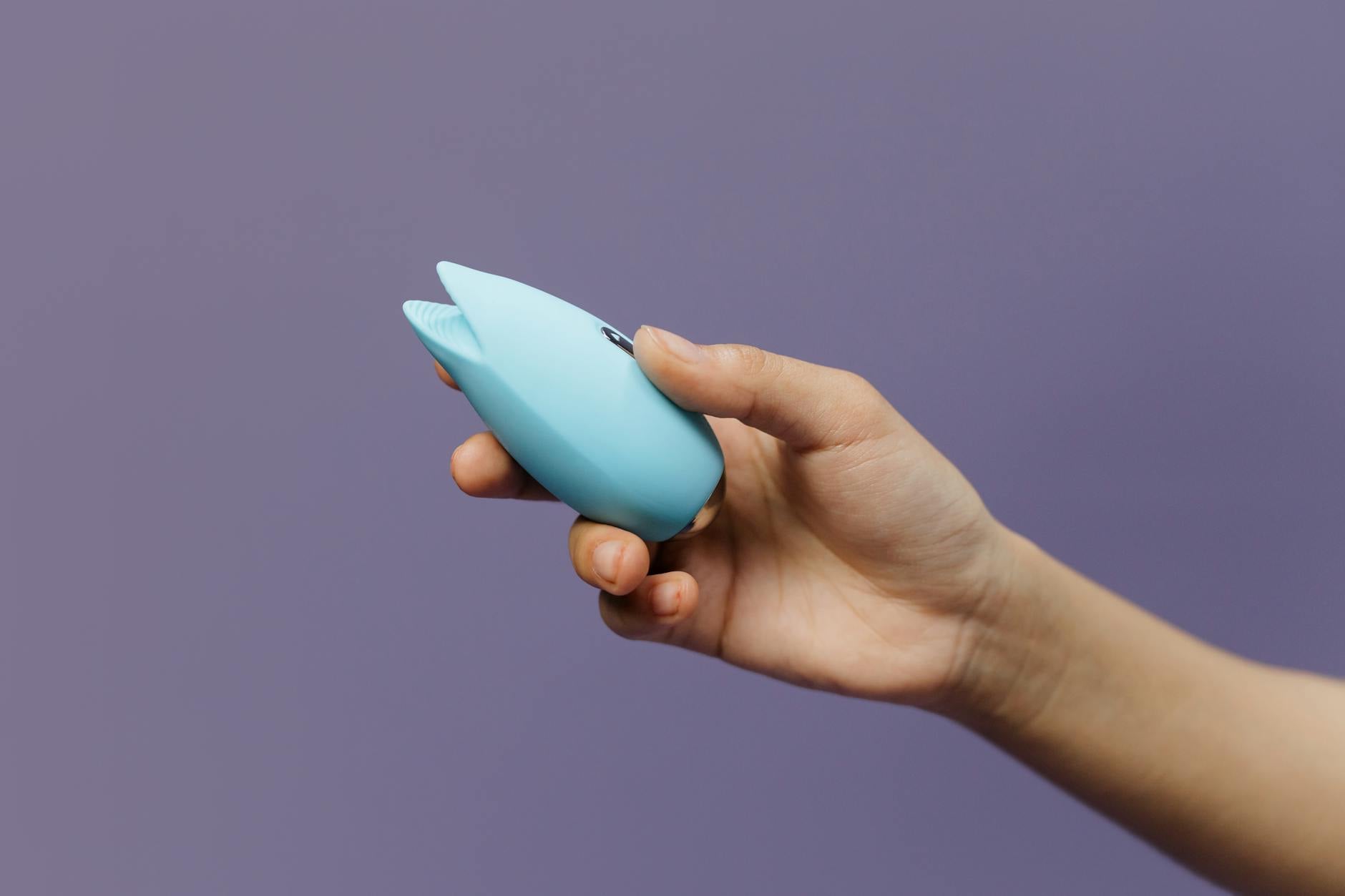
Here's the thing about suction vibrators and lube
If you've bought a lemon clitoral vibrator or any suction-based toy, you've probably noticed something: the experience changes dramatically depending on what lubricant you use. Thick, creamy formulas that feel amazing with traditional vibrators can actually muffle the sensation of a lemon vibrator. Some people think their toy is broken. It's not. The lube is just interfering with how suction works.
The Lem and similar lemon sexual toys operate on a completely different principle than regular vibrators. Instead of friction and buzz, suction creates a gentle seal that pulses against sensitive tissue. That seal is everything. Get the lube wrong, and you're basically putting a barrier between the toy and your body that prevents the suction from doing its job.
Why thick lubricants actually break suction
Here's the physics part, stripped down to what matters. Suction requires an airtight seal. When you use a lemon clitoral vibrator, the cup creates negative pressure against your body, which sends waves of stimulation through the tissue. Thick lubricants like coconut oil, hybrid blends, or high-viscosity water-based formulas get inside that seal and act like a buffer. The toy can't grip properly. The sensation becomes muffled, like trying to feel something through a thick blanket.
Think of it this way: if you tried to use a suction cup on a wet window, it would slide around and refuse to stick. Thick lube does the same thing in a different way. It doesn't provide enough slip, so it gums up the seal instead of supporting it.
I've had clients tell me they felt almost nothing with their lemon vibrator, then switched to a thinner formula and suddenly understood why everyone raves about suction toys. Same toy. Same settings. Completely different experience.
Which lubricants actually work
Water-based, thin-formula lubes are your best bet. Brands like Sliquid Organics, Uberlube (which is actually silicone, but incredibly thin), or any basic water-based lube labeled "light" or "thin" will let your suction toy work as designed.
The ideal lube for lemon adult toys has these properties:
- Low viscosity. It should feel slippery, not creamy. When you rub it between your fingers, it should feel almost watery.
- Quick-absorbing. The lube shouldn't sit on top of your skin. It should feel like it's part of you within seconds.
- Non-sticky. After a few minutes, it shouldn't feel tacky or leave a residue. If it does, it's breaking down into a thicker compound as friction heats it up.
Silicone-based lubes are worth mentioning because they stay slippery longer than water-based options. The trade-off is that silicone can degrade some toy materials over time, so you need to check your toy's care instructions first. For most quality lemon clitoral vibrators, silicone is fine, but always verify.
The application technique that matters
Lubricant amount and placement change everything with suction toys. Here's what I recommend:
Use less than you think you need. With traditional vibrators, more lube often feels better. With a lemon vibrator, less is more. A thin layer on the rim of the cup and a dab on your body is usually enough. If the sensation feels muffled after a minute, add a tiny bit more. You can always increase it, but excess lube just makes the seal worse.
Apply lube to your body, not the toy. When you coat the inside of the cup with thick lube, you're basically pre-breaking the seal. Instead, apply a small amount directly to your skin, then position the toy. This way the seal forms naturally and the lube just stays thin.
Let the toy create the seal first. Once the cup is positioned and suction is happening, then add more lube if you need it. Don't lube the area before creating the initial seal, or you'll struggle to get it to grip at all.
What happens if you use the wrong lube anyway
You won't damage the toy. That's the good news. Using thick coconut oil or a heavy hybrid lube won't break anything. You'll just have a frustrating experience. The suction won't feel as intense. The sensation becomes more like a gentle buzz than a pulsing wave. Many people assume the toy isn't powerful enough and give up on it, when really they just need to switch lubes.
I've also had clients experience discomfort with the wrong lube because they're pressing harder to try to recreate the sensation they expected. That's unnecessary friction and strain. The toy is designed to do the work for you. If you're not feeling it, the lube is almost certainly the culprit.
Maintaining your toy when using different lubes
After a session, water-based lube is incredibly easy to clean. Rinse under warm water, pat dry, done. Silicone lube requires a bit more attention because it can leave a film. A quick wipe with a soft cloth helps, then a warm rinse.
One thing people don't always realize: lube residue on the exterior of your toy can affect sensation over time if it dries and hardens. It's not a huge deal, but wiping down the cup rim before storing keeps everything working smoothly. Many people keep a small cloth or paper towel near their nightstand for this exact reason.
If you're using coconut oil or any thick formula by mistake, do clean extra carefully because those can congeal and build up on silicone. It won't ruin the toy, but it can make the surface feel slightly sticky until you wash it properly.
The lube you probably already own that works
If you don't want to buy specialty lube, basic drugstore water-based lubricant works fine for lemon clitoral vibrators. The kind sold near condoms, usually in plain bottles for "personal use," is often thinner and cheaper than premium brands. It's not as luxurious, but it functions perfectly well.
Avoid anything marketed as "warming," "tingling," or "extra moisturizing." Those additives usually make the formula thicker and change the sensation in ways you don't want with suction toys. Stick to plain formulas.
Silicone-based personal lubricant also works beautifully if your toy is silicone-safe. The main silicone lubes compatible with toys are Uberlube and similar premium options. They're pricier but last longer because you need less of it.
Why this matters for your pleasure
I bring this up because pleasure is specific. There's no one-size-fits-all toy or technique, and part of that is getting the details right. A lemon vibrator is an incredible tool for clitoral stimulation, but it only works the way it's designed if the conditions are right. Using the wrong lube isn't a failure on your part. It's just information you didn't have yet.
If you've struggled with a suction toy before, switching to a thin water-based lube might genuinely change how you experience it. It's worth trying. Same toy, fresh approach, often a completely different result.
Frequently asked questions
Can I use coconut oil with my lemon vibrator?
Coconut oil is too thick for suction toys. It will reduce the suction sensation and can gum up the seal. You can use it with traditional vibrators without issue, but for lemon clitoral vibrators specifically, stick to thin water-based or silicone-based lubes.
How much lubricant should I use with suction vibrators?
Less than you think. A thin layer on your body and maybe a dab on the rim of the cup is usually enough. The goal is enough slip for comfort, not enough to float the toy. If it feels dry, add a little more. If the sensation feels muffled, you've probably used too much.
Is silicone lube safe for the Lem and other lemon sexual toys?
Yes, silicone lube is safe for most quality lemon clitoral vibrators because they're made from body-safe silicone. However, always check the care instructions for your specific toy. Silicone lube can degrade some materials over time, so it's worth verifying before your first use.
Why does my lemon vibrator feel less intense after I've been using it for a few minutes?
The lube is probably breaking down or thickening as friction heats it up. Add a tiny bit of fresh lube to restore the sensation. This is especially common with water-based formulas, which can dry out slightly. Keep lube nearby during a session so you can refresh as needed.
What's the difference between water-based and silicone lube for suction toys?
Water-based lube is thinner and easier to clean, but it can dry out during longer sessions and needs reapplication. Silicone lube stays slippery longer and feels luxurious, but it requires a bit more care to clean off and can potentially degrade some toy materials. For most lemon clitoral vibrators, both work well. Pick based on your preference for cleanup and duration.
Can using the wrong lube damage my toy?
No. Using thick lube won't damage a quality lemon vibrator. You'll just have a frustrating experience because the suction won't work as designed. Switching to a thin formula is usually all it takes to make the toy feel completely different and work the way it should.
The takeaway
Lube choice is one of those details that seems small until it completely changes your experience. If you've tried a lemon clitoral vibrator and felt underwhelmed, the toy probably isn't the issue. Check your lube. Thick formulas mute suction. Switching to a thin water-based option often transforms the sensation from muffled to incredible in seconds. Same toy, massive difference. That's worth knowing.