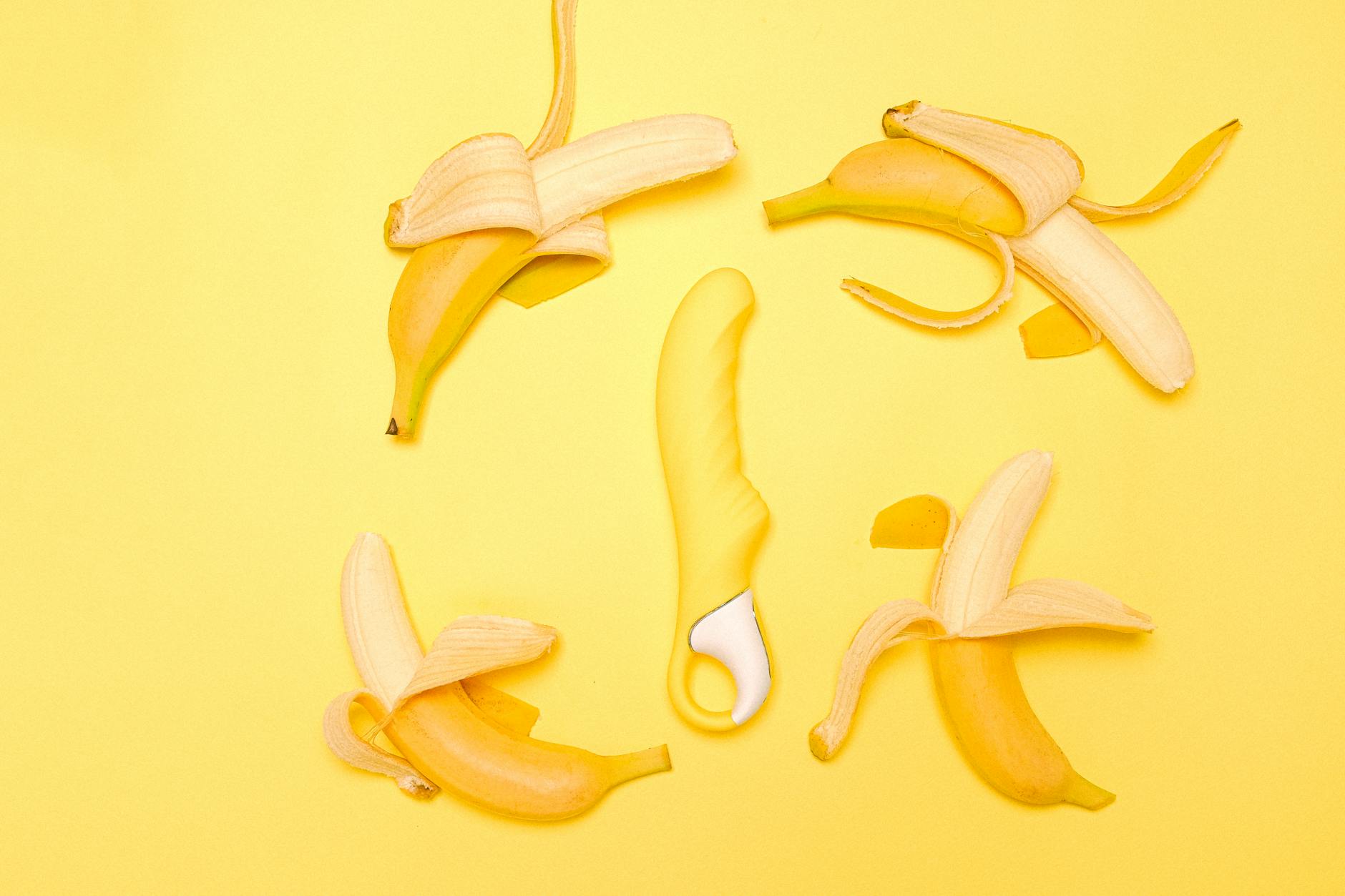
The mismatch nobody talks about
Let's be real. One of you wants sex more often than the other. It's one of the most common relationship tensions I see in my practice, and it almost never gets addressed directly because both people are embarrassed. The higher-desire partner feels rejected. The lower-desire partner feels pressured. Neither feels good.
Here's what gets lost in that dynamic: your pleasure doesn't depend on your partner's initiation. It never did. But culturally, we've been taught that it should. That his desire validates yours. That her interest creates your permission. A clitoral vibrator breaks that lie wide open.
Why the initiation gap creates so much friction
Three intersecting problems happen when desire mismatches aren't addressed. First, the higher-desire partner starts feeling invisible. Not just sexually invisible. Emotionally invisible. Like their wants don't matter. This breeds resentment quietly, in the background, until it poisons other parts of the relationship.
Second, the lower-desire partner often feels guilty, which makes them less interested in sex, not more. Guilt is a libido killer. When you're already reluctant and you feel your partner's frustration, the nervous system tightens. Everything slows down. The last thing that person wants is another pressure to perform.
Third, sex becomes transactional. It stops being about pleasure and becomes about managing conflict. Neither of you is in your body. You're both in your heads, running calculations about how long it's been, how this will go, whether it's "enough."
What actually shifts when you introduce a vibrator
Honestly, a lot. When you have access to your own reliable orgasm, something psychological changes immediately. You stop waiting for permission. You stop calculating your partner's mood as a predictor of your own pleasure.
This is not about replacing him or her. It's about divorcing your orgasm from their interest. Once you do that, ironically, the relationship often relaxes. You're not desperate. You're not resentful. You're just... satisfied. And partners respond to that. When the pressure lifts, desire often returns naturally.
From a physiological standpoint, regular orgasm (whether solo or partnered) improves blood flow to the pelvis, increases sensitivity, and actually makes partnered sex more pleasurable when it does happen. You're not settling for less. You're expanding the whole picture.
How to set this up without it becoming a Thing
The logistics matter here. If you're using a clitoral vibrator while your partner watches, that can be incredibly intimate and bonding. If you're hiding it, resentment builds. If you announce it like a formal presentation, it gets weird.
Here's the move: normalize it the same way you'd normalize anything else about your body. "I picked up a vibrator. It helps me relax and feel good. I might use it solo, or you can be involved if you want." That's it. No big speech. No performance of sexuality for their approval.
If your partner gets defensive or uncomfortable, that's information. It might mean they feel threatened. It might mean they have shame around sex toys. It might mean they're worried you'll need less of them (you won't). But here's the thing: your pleasure is not negotiable. Their comfort with it is something they get to work on.
The solo practice that actually matters
Don't jump straight to using a clitoral vibrator during partnered sex if you haven't explored it alone first. Give yourself permission to understand what feels good without an audience. What patterns work for you. What speed, what pressure, what combinations.
This isn't selfish. This is foundational. The more you know your own body, the more you can direct your partner if they're involved. The more you enjoy yourself, the less you need them to be perfect. It's a complete reframe.
Spend a few weeks in solo exploration. Notice what patterns feel best. Notice how your body responds over time. Notice if sensitivity shifts. How Lemon Vibrator Sensitivity Improves With Consistent Use covers this in detail, but the short version is that your nervous system learns. Regular use actually makes touch feel better over time, not duller.
When to bring it into partnered moments
Once you're comfortable with solo use, you have options. You can use it during partnered sex while your partner touches you elsewhere or just watches. You can use it during foreplay. You can use it while they're inside you if that feels good. Or you can keep it entirely separate from partnered sex and that's fine too.
The key is: it's your tool. Your pleasure. Your choice about when and how. A partner who gets defensive about this or tries to control it is showing you something important about how they value your satisfaction.
The conversation that actually helps
If the initiation gap has created real distance, a vibrator alone won't fix the relationship. But it can buy you some breathing room while you have the harder conversation.
That conversation is not "Why don't you want me?" That's a setup for defensiveness. It's more like: "I've noticed our desires don't align right now. I'm not okay with that being the end of my sex life. So I'm taking care of that part of me. I'd love if you were involved sometimes, but that's not a requirement. What I do need from you is to understand that my pleasure matters." How to Use a Lemon Vibrator When Physical Intimacy Feels Rushed or Pressured talks about this dynamic more deeply if the pressure component is really active in your relationship.
Why this is actually relational, not anti-relational
I work with a lot of couples who think introducing a vibrator means the relationship is over. It's the opposite. It means you're refusing to make your body small to accommodate someone else's ambivalence. It means you're choosing to stay in the relationship from a place of satisfaction, not desperation.
That's attractive. That's grounding. That's what keeps long-term partnerships alive.
FAQ
Will using a vibrator make me not want partnered sex?
Not typically. In fact, the opposite usually happens. When you're satisfied, you're more interested in intimacy, not less. You're seeking connection from a full cup, not an empty one. The research backs this up. People who have solo pleasure tools report more partnered sex, not less, because the pressure and resentment decrease.
What if my partner sees the vibrator and gets upset?
That's their emotion to work through, not your responsibility to prevent. What you can do is stay calm and matter-of-fact. "This is about my pleasure, not about you. I love you and I also deserve to feel good in my body." If they can't hear that after a few conversations, you might need a couples therapist to help translate.
How often should I use a vibrator if my partner isn't initiating?
As often as you want. There's no rule. Some people use it twice a week, some daily, some every few days. The sweet spot is whatever feels satisfying without feeling obsessive. If you're using it to avoid talking about the real issue in your relationship, that's a flag. But if it's just part of your pleasure practice, it's fine.
Can I use a vibrator during partnered sex even if he or she seems uncomfortable at first?
Yes, but with communication. Try it, see how it feels, and then debrief after. Sometimes partners warm up once they see how much you enjoy it. Sometimes they don't. You need to decide what's non-negotiable for you.
Does using a vibrator solo affect my ability to orgasm with a partner?
Not in the way people fear. You might need different stimulation partnered versus solo. That's normal and healthy. Your body doesn't "get used to" vibration in a way that makes partnered touch obsolete. It's just a different kind of sensation.
What if we use a vibrator together and it becomes awkward?
Awkwardness usually means you weren't quite ready or didn't talk enough beforehand. Try it a few times before deciding. And remember: sex can be awkward and still be good. Awkwardness is not failure. It's just the sound of two people trying something new.
The real shift
Using a clitoral vibrator when your partner initiates less isn't about giving up on the relationship. It's about refusing to shrink. It's about insisting that your body matters, your pleasure is real, and your satisfaction doesn't depend on someone else's schedule.
That confidence changes everything. If you're thinking about making this shift, you're already halfway there. Take the next step. You deserve to feel good in your own skin, regardless of what your partner wants today.
If you're navigating deeper relational tension around intimacy, reach out to contact us to talk through what's happening. Sometimes a trained perspective helps clarify what you're actually trying to fix.