Here's the thing about mismatched desire
Your partner isn't initiating sex anymore. Or they're initiating way less often than you'd like. Maybe they're stressed. Maybe they're distracted. Maybe their libido genuinely dropped. And now you're stuck in a loop where you're waiting for them to want you instead of just... having pleasure on your own terms.
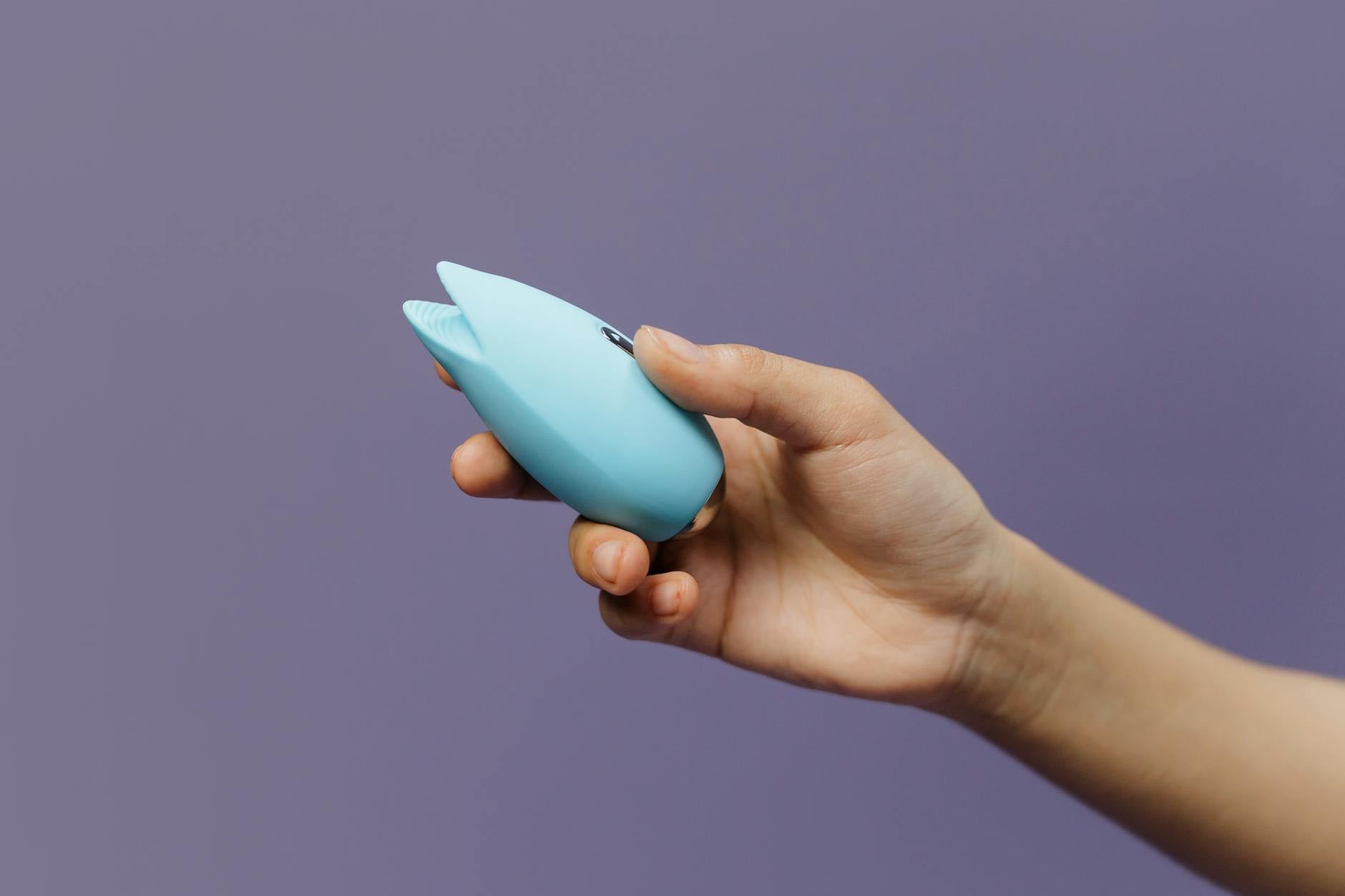
That's where a clitoral vibrator like the Lem comes in. Not as a band-aid for the relationship problem (we'll get to that). But as permission. Permission to remember that your body doesn't need your partner's initiation to deserve attention. Permission to have an orgasm that's entirely yours.
Why waiting for your partner to initiate hurts both of you
Let's separate two things that usually get tangled together. There's the problem that your partner initiates less. That's real, and it matters, and we'll talk about it. But there's also the problem of you not having orgasms unless they start things. That's a different problem. That one you can actually solve.
When you're dependent on your partner for sexual initiation, two things happen. First, you start resenting them. They become the gatekeeper of your pleasure, and eventually that resentment leaks into everything else. Second, you lose touch with what you actually want. You're so busy monitoring their arousal and availability that you stop listening to your own body. Over time, your desire atrophies. You genuinely forget what turns you on.
This is especially true in longer relationships. Early on, you were probably initiating sometimes. Over years, initiation drifts to one person. Then it's routine. Then it stops. And now you're waiting.
The neuroscience bit (quick version)
When you use a lemon vibrator solo, your brain lights up differently than when sex is partnered. You're not monitoring your partner's response. You're not performing. You're not managing their pleasure or worrying about timing. You're just... there. This quietness in your brain actually deepens arousal. You build faster. You orgasm more intensely. And crucially, you remember why pleasure matters to you.
But there's a second effect. When you have regular orgasms on your own, your baseline dopamine goes up. Higher baseline dopamine means more motivation, more energy, more initiative in other parts of your life. That includes sex. Paradoxically, using a lemon clitoral vibrator solo might actually increase your desire to have sex with your partner. Not because you're trying to fix the relationship. But because you're healthier.
How to actually start using a vibrator solo when you feel awkward about it
Most people feel weird the first time. That's normal. But you're not doing anything wrong. You're taking care of yourself. Here's the realistic timeline.
Day one: Pick a time when your partner is out or asleep. You want zero anxiety about being interrupted. Set aside 15 minutes. Don't put pressure on yourself to come. Just explore. The Lem's patterns feel different depending on where you position it. Some people like it centered on the clitoris. Others prefer it slightly off to one side. Spend this session just experimenting with pressure and patterns. Nothing else.
Days two to four: Same setup. Now focus on what actually feels good. Skip the patterns that do nothing. Double down on the ones that create sensation. Let your mind wander. You're not trying to reach an endpoint. You're just checking in with what your body wants.
Day five onward: You'll probably come to your own pleasure timeline. Some people come in five minutes. Some take 20. Both are normal. The only rule is no performance. If it doesn't feel good that day, you stop. No forcing it.
What to do about the elephant in the room (your partner)
Eventually you'll need to talk. But not right away. Get a few weeks of solo pleasure under your belt first. You need to know what you actually want before you can explain it.
Here's what that conversation might look like. Not "I'm using a vibrator because you don't initiate enough." That's blame. And blame kills the conversation. Instead: "I've realized I need to prioritize my own pleasure more. I've been waiting for you to want sex, and that's put a lot of pressure on both of us. I'm going to be masturbating more, and I wanted you to know that it's not about you. It's about me remembering what I like."
Depending on your partner, they might feel relieved. They might feel initially insecure. Both responses are data. If they feel relieved, the relationship probably has a bigger issue than just mismatched libido. If they feel insecure, that's worth exploring together. But you don't need their permission to have orgasms.
The next part is trickier. After you've had solo pleasure for a few weeks, you might want to invite your partner in sometimes. Not all the time. Sometimes you want the Lem to yourself. But showing them how you use it can actually reset desire between you. You're not asking them to perform. You're showing them what turns you on. That's hot. That's also useful data for them.
When your partner's low libido is about stress or medical stuff
If your partner's initiation dropped because they're overwhelmed, depressed, on new medication, or going through something, their libido might actually come back. But it won't come back because you're waiting. It comes back when they deal with the underlying thing. Your job is not to fix it. Your job is to stop making your pleasure their responsibility.
This is where a vibrator is especially useful. You're saying to your partner, without words: "I matter. My pleasure matters. And I'm not going to put my body on pause while you sort yourself out." That's not selfish. That's healthy. And sometimes, ironically, it makes partners want you more because you're no longer desperate.
The risk you're not thinking about
Here's the honest risk of solo pleasure: once you start having good orgasms regularly, partnered sex might feel less urgent. And that's okay. But sometimes people interpret that as "the relationship is broken." It's not. It's just that you no longer need sex to survive. You want it. That's different. The wanting is stronger.
But if you go from zero pleasure to regular solo pleasure and your partner still never initiates, that's information. That might mean your partner's libido really has dropped. Or it might mean they've checked out. Neither of those things is fixed by you being more available. They're fixed by both of you showing up.
Using a lemon vibrator to reconnect with desire
Some people find that regular pleasure with the Lem doesn't just improve their orgasms. It improves their relationship. Because they stop feeling resentful. They stop feeling invisible. They stop equating their worth with their partner's desire. And paradoxically, that makes them more attractive and more present during partnered sex.
If you want to rebuild intimacy after months of mismatched desire, solo pleasure is the foundation. You're not doing it to punish your partner or prove a point. You're doing it because you deserve to feel good. Everything else follows from that.
FAQs
Should I use a vibrator if my partner finds it threatening?
If your partner finds your pleasure threatening, that's their issue to work through, not yours to manage. A vibrator isn't a threat to your relationship. A vibrator is a tool for your health. If they can't accept that, couples counseling might help. But don't stay numb to protect their insecurity.
How often should I use a clitoral vibrator if my partner rarely initiates?
There's no magic number. Some people masturbate daily. Some weekly. The right frequency is whatever keeps you feeling connected to your body. If you're doing it compulsively to escape feelings, that's worth noticing. If you're doing it to remember what pleasure feels like, that's healthy.
Can a lemon vibrator actually help rebuild desire for my partner?
Yes, often. When you're having regular orgasms, your dopamine and oxytocin increase. That makes you feel better generally. You're less resentful. Less bitter. More present. That shifts how you show up in the relationship. But it only works if your partner is also willing to show up.
Is it normal to feel guilty using a vibrator when my partner wants less sex?
Completely normal. But guilt is often a sign you've been taught to prioritize your partner's comfort over your own needs. Unpack that. Talk to a therapist if you need to. But don't let guilt convince you that your pleasure is selfish.
What if my partner wants to use the vibrator with me but I want it to be solo?
You can have both. Some sessions are yours alone. Some are together. You get to choose. If you want solo time, say it clearly. "Tonight I need this for myself. But I'd love to show you next week." Clear boundaries actually strengthen relationships because there's less guessing.
How do I talk to my partner about needing solo pleasure time?
Start with facts, not blame. "I've realized I need regular time to focus on my own pleasure." Then listen to what they say. If they're insecure, ask what they need to feel secure. If they're relieved, talk about what that relief means. If they're indifferent, that's data too.
The real reason you're here
You came looking for a solution to a relationship problem. What you actually need is permission to take care of yourself first. Using a lemon vibrator isn't a hack to fix your relationship. It's a way to stop putting your body on hold. And sometimes, when you stop waiting, your partner notices. Sometimes they want to catch up. Sometimes they don't. Either way, you'll know what you actually want. That clarity is worth everything.
If the pattern of low initiation continues even after you've prioritized your own pleasure, that's a conversation for a couples therapist. How to rebuild pleasure after relationship breaks your intimacy and trust walks through what happens when desire has been damaged by other issues. But start here. Start with your own body. Everything else follows.