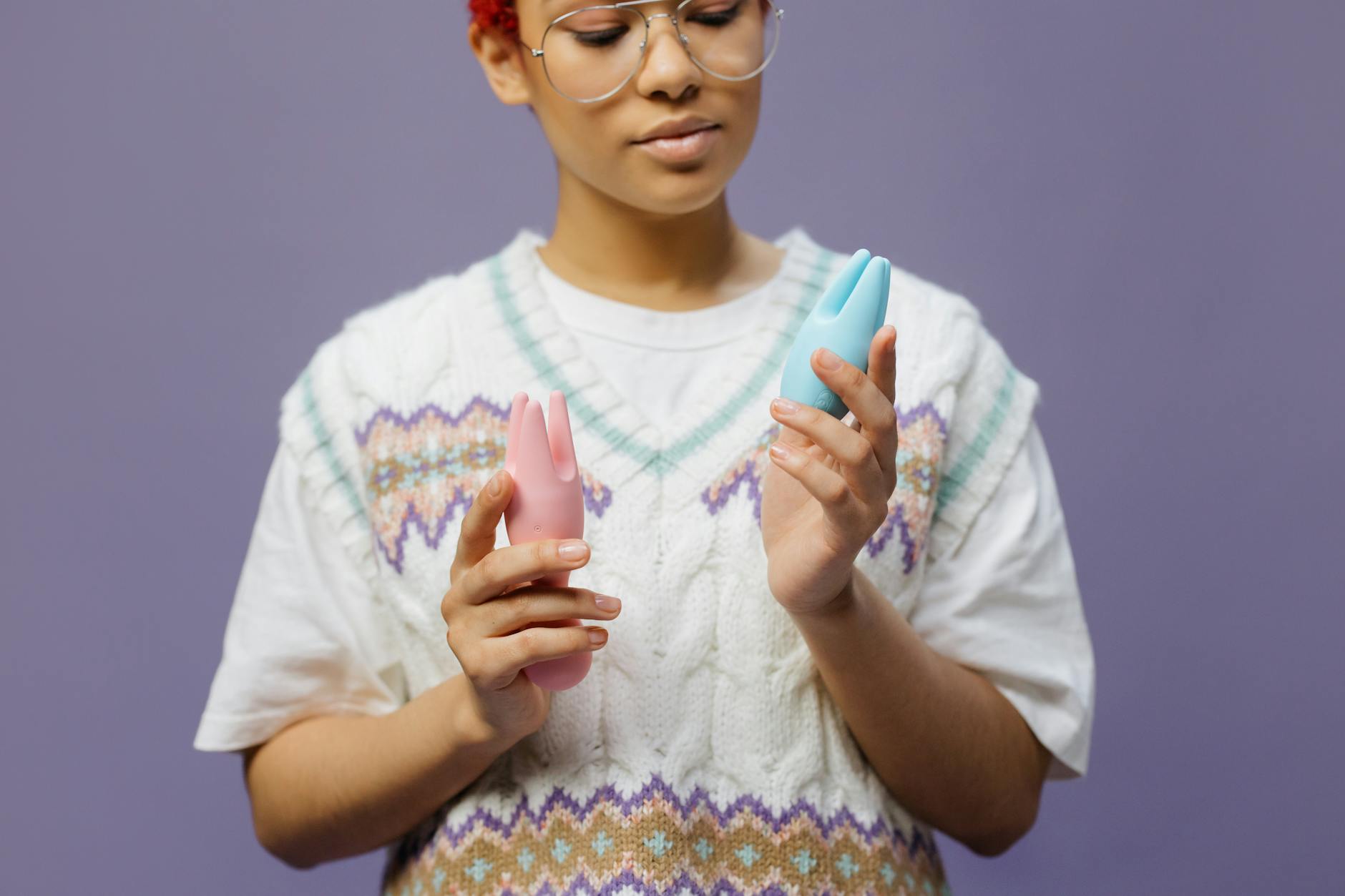
Does Regular Lemon Vibrator Use Make Orgasms Stronger Over Time
Here's what I hear a lot: "Will using a vibrator make me dependent? Will regular use actually make things worse?" The anxiety around this is real, and honestly, it's backwards. Let me walk you through what actually happens when you use a lemon vibrator consistently, and why the research suggests your body doesn't get weaker. It gets smarter.
The short answer
Yes, consistent use of a lemon clitoral vibrator often leads to more intense, more reliable orgasms over time. Not because your body gets addicted or lazy, but because you're literally rewiring your pleasure response. You're learning your body's signals, training your nervous system, and building what I call "pleasure confidence." That's the opposite of dependence. That's mastery.
What happens in your brain and body with regular use
When you use a vibrator repeatedly, you're not numbing your nerve endings. You're doing something more interesting: you're mapping your pleasure landscape with precision.
Every time you use a lemon clitoral vibrator, your brain catalogs what works. Which pattern. Which angle. Which intensity. Which mental state. Over five, ten, twenty sessions, your nervous system starts predicting pleasure before it arrives. That's not weakness. That's your brain optimizing for efficiency.
The clitoral complex has over 8,000 nerve endings. Most of them are tucked away, and many people spend their entire lives without fully activating them. A vibrator is a tool for systematic exploration. The more consistently you explore, the more sensitive and responsive those pathways become.
Here's the key distinction: vibrators don't numb you. They train you.
The science of desensitization vs. adaptation
People often conflate "getting used to" a stimulus with desensitization. They're not the same thing.
Desensitization would mean your nerve endings stop responding. Your clitoris would gradually feel less, and orgasms would flatten. That's not what the data shows. What actually happens is called "adaptation" — a more nuanced process where your nervous system learns to distinguish signal from noise and amplify what matters.
Think of it like listening to a song you love on repeat. The first time, you hear everything. By the tenth time, your brain filters out the white noise and locks onto the melody. You're not less moved by the song. You're hearing it more clearly.
With vibrators, consistent use trains your body to respond faster and more reliably to that specific type of stimulation. Some research suggests that women who use vibrators regularly report shorter time to orgasm and more intense climaxes. That's not addiction. That's efficiency.
Why people worry about "vibrator dependency"
The fear usually comes down to two things: the myth that vibrators are "cheating," and a genuine concern that your body will need them to come.
Neither holds up. If anything, the opposite is true. Regular vibrator use often makes people more able to come in other contexts, because you've built a blueprint for what your orgasm actually feels like. You know what to chase. You're not guessing anymore.
The second concern — that you'll need a vibrator every time — is solved by changing your approach. If you want to develop varied pleasure responses, use a vibrator some of the time, not all of the time. Your body isn't locked into one path. It's flexible. What you're doing is expanding the paths available.
How consistent use actually rewires pleasure
I work with couples and individuals who want to deepen their pleasure capacity. What I see consistently is that regular vibrator use — whether it's a lemon clitoral vibrator or another device — tends to increase overall sexual confidence and, often, actual pleasure intensity.
Here's why: consistent use creates a feedback loop. You use the vibrator, you learn something about your body. Next time, you use it with more intention. Your nervous system gets more organized. Orgasms become less variable and more accessible. Orgasms become stronger because your body knows exactly what it's building toward.
That's not dependence. That's expertise.
There's also a psychological component that matters. When you know you can reliably have an intense orgasm with a lemon vibrator, that confidence shifts how you approach all sexual experience. You're not wondering if it'll happen. You know it will. That certainty alone changes the quality of the experience.
What changes over weeks and months
Week one to three: You're in exploration mode. You're learning the device, testing patterns, figuring out pressure and angle. Orgasms might be good, or they might not happen at all. That's normal. Your body is gathering data.
Week four to eight: Your body starts recognizing the signal. Orgasms become more reliable. Time to climax starts to shorten. This is your nervous system optimizing.
Month three and beyond: Orgasms often become noticeably stronger. Many people report that they're now able to have multiple orgasms more easily, or that the sensation is more full-body and less localized. Some discover new types of orgasms entirely.
This isn't everyone's timeline. Some people see shifts in two weeks. Some take two months. But the pattern is consistent: intention plus repetition equals mastery.
The partner question: Does it change partnered sex
This is where things get interesting. If you use a lemon vibrator solo and become more aware of your pleasure, does that make partnered sex different?
Yes. Better, almost always. Here's why: you know what you need. You can communicate it clearly. You're not performing or guessing. You're guiding. That clarity makes partnered sex more connected, not less.
Some partners worry that a vibrator means they're "not enough." That's fear talking, not reality. A vibrator is a tool. Your partner is a person. They're not in competition. If anything, regular vibrator use often makes people more interested in sexual connection because they're no longer anxious about whether they can come. Anxiety disappears. Interest deepens.
How to get stronger results over time
If you want to build pleasure capacity consistently, a few things help:
Stay curious, not routine. Use your lemon clitoral vibrator the same way every time and yes, you might plateau. Change the context. Change your mental focus. Use different patterns. Vary when you use it.
Track what works. Sounds clinical, but it's powerful. Note which pattern made you come fastest. Which made it most intense. Your body is telling you something. Listen.
Mix solo and partnered use. Solo use teaches you what you need. Partnered use teaches you how to ask for it. Both are valuable.
Don't aim for orgasm every time. Sometimes just explore sensation. Sometimes chase intensity. Sometimes go slow. Your nervous system thrives on variation.
Give it time. Three to four weeks is the minimum for your body to start adapting. Three months is where most people see genuine, lasting change.
The myth of the "numb" clitoris
You might have heard that vibrators can numb your clitoris permanently. This is not supported by the evidence. Your clitoris is resilient tissue with a robust nervous system. It's designed for sensation and response.
The only way vibrators cause actual numbness is through injury — using something unsafe, applying extreme pressure for extended periods, or ignoring pain signals. None of that is regular use. That's misuse.
Regular, mindful use of a safe device like a lemon vibrator? That strengthens your pleasure capacity. It doesn't diminish it.
When to expect plateaus (and what to do)
Some people hit a point where orgasms feel the same as they did three months ago. That's not because vibrators stop working. That's because your nervous system is bored.
When this happens, change something. Try a different pattern. Use a different lemon clitoral vibrator. Change the time of day. Change the context. Introduce it into partnered sex. Your body will respond to novelty.
Plateaus are not dead ends. They're invitations to get creative.
FAQ: Your questions answered
Does using a vibrator regularly make it harder to come without one?
Not inherently, no. Some people find that vibrator use trains their body to prefer that specific sensation, and other forms of stimulation feel underwhelming by comparison. But this is a preference, not a physiological inability. You can absolutely retrain your response by varying your stimulation and spending time with non-vibrator sensation. Your nervous system is flexible.
How long until I notice stronger orgasms?
Most people report noticeable changes within three to six weeks of consistent use, two to three times per week. Some notice shifts in two weeks. Strength and intensity keep building for months if you stay intentional about it.
Can I become "desensitized" if I use a vibrator too much?
Desensitization is possible with any stimulus if you use it constantly without variation, but it's not the same as the vibrator stopping working. What usually happens is that your nervous system gets used to that specific vibration pattern and needs novelty. Varying the pattern, changing intensity, or taking a break resets your sensitivity.
Does the type of vibrator matter for building stronger orgasms?
Yes and no. The mechanism matters more than the brand. A well-designed lemon clitoral vibrator like the Hello Nancy lemon sucker is engineered for consistent, targeted stimulation, which tends to train your body faster than random vibration. But any safe, reliable vibrator will work. Consistency matters more than which device you choose.
What if I'm not getting stronger orgasms after three months?
First, check technique. Are you varying patterns and intensity? Are you using it during times when you're rested and mentally present? Second, check context. Stress, hormones, medication, and relationship dynamics all affect orgasm capacity. Sometimes it's not the vibrator. Sometimes you need to address what's happening outside the bedroom first.
Can my partner and I use the same vibrator?
Yes, if you both want to. Clean it thoroughly between uses with soap and water or a toy cleaner. Some couples prefer separate devices for hygiene and convenience. That's a personal choice.
The actual takeaway
Regular use of a lemon vibrator doesn't weaken your pleasure response. It sharpens it. Your body learns. Your nervous system optimizes. Your orgasms become stronger, more reliable, and more interesting if you stay curious and don't fall into rigid patterns.
Consistency plus intention equals mastery. That's true for almost everything worth doing. Pleasure is no exception.
If you're ready to explore what your body is actually capable of, start where you are and pay attention. Your body will tell you what works. It's been waiting for you to listen.
Want to talk through what approach might work best for your body? Reach out to us — we're here to help.
Related reading
If you're curious about finding the right intensity for your body, check out our breakdown of lemon vibrator intensity settings and which patterns work best. And if you're thinking about exploring this with a partner, our guide on communication tips for using a lemon vibrator together walks through exactly how to have that conversation.