Here's what chronic stress actually does to your pleasure
Let's be honest. When you're running on fumes, sex becomes another task on the to-do list, not a source of joy. Your nervous system is wired to prioritize survival over sensation. Cortisol floods your body. Blood flow redirects to your major muscle groups. Your clitoris, which relies on steady blood flow and a relaxed nervous system to become engorged and responsive, essentially goes dormant. You might have sex, but you don't feel it. That hollow, mechanical feeling isn't a personal failure. It's physiology.
The tricky part is that this disconnection feeds on itself. You stop expecting pleasure, so you stop pursuing it. Your partner notices the flatness and pulls back. Then resentment creeps in. Before long, what started as stress-induced numbness has become a relational pattern that feels impossible to break.
I've worked with dozens of couples where one or both partners describe this exact flatness. And here's what I've learned: the pathway back isn't willpower or more frequent sex. It's deliberate, body-focused rewiring.
How stress literally rewires your pleasure response
When you're chronically stressed, your brain's reward circuits dim. The anterior cingulate cortex, which processes pleasure, shows reduced activation. Your parasympathetic nervous system (the one that allows arousal) stays suppressed because your sympathetic nervous system is busy running a threat response.
Your body has learned that safety comes first, pleasure second. That's adaptive in a genuine crisis. But when the "crisis" is ongoing work pressure, family obligations, or financial worry, you're left stuck in a nervous system state that blocks sensation.
Clitoral tissue is exquisitely sensitive to nervous system state. A relaxed parasympathetic system equals engorgement, sensitivity, and the capacity to feel. An activated sympathetic system equals vasoconstriction, numbness, and the feeling of being locked out of your own body.
This is why traditional advice like "just relax" or "have more sex" fails. You can't think your way out of a sympathetic nervous system lockdown.
Why a lemon vibrator works differently when stress has numbed you
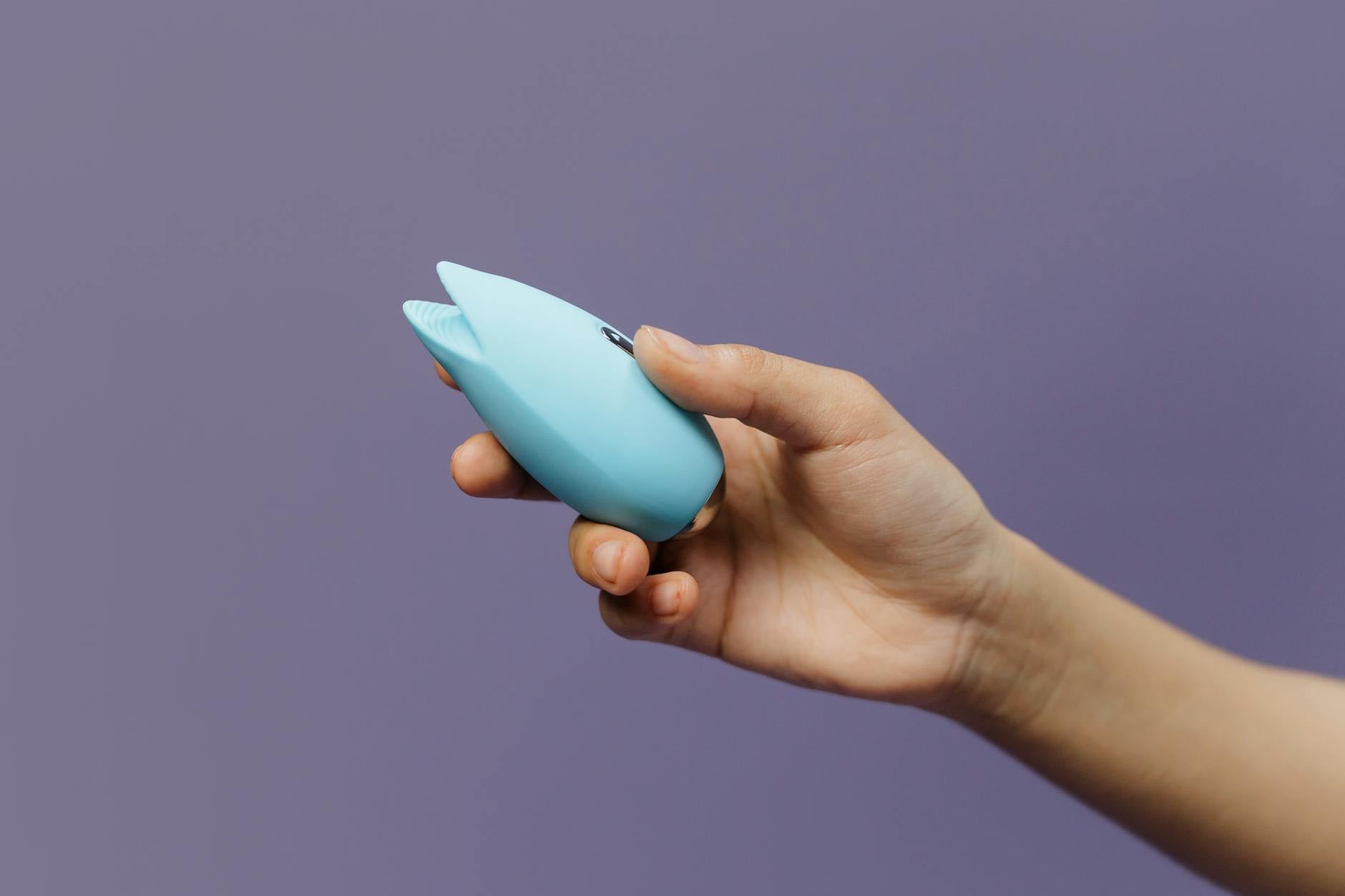
A clitoral vibrator like the Lem does three things that manual stimulation, or no stimulation, cannot:
First, it bypasses the cognitive filter. Stress keeps your conscious mind in overdrive, constantly scanning for problems. Vibration cuts through that. The sustained rhythmic input creates a kind of sensory anchor that pulls your attention into your body, whether your brain wants to be there or not.
Second, the specific frequency of a quality clitoral vibrator stimulates nerve endings in a way that gradually teaches your nervous system that sensation is safe. You're literally retraining the vagal tone, the baseline state of your parasympathetic system.
Third, using a vibrator solo allows you to rebuild pleasure on your own timeline, without the performance pressure of partnered sex. You get to rediscover what feels good without worrying about timing, reciprocation, or whether your partner is frustrated. That removes the secondary shame layer that often compounds the numbness.
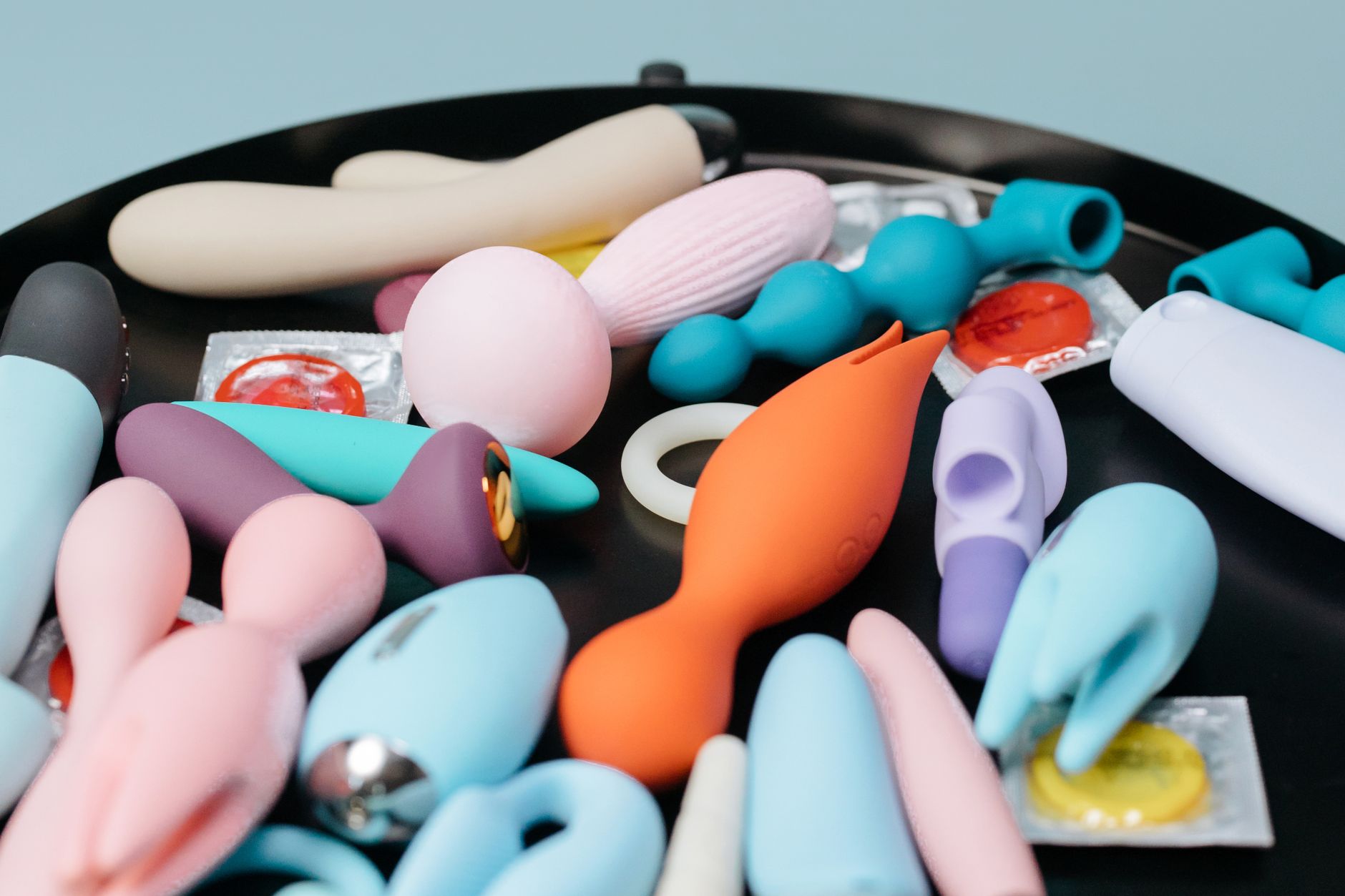
Photo by cottonbro studio on Pexels
The reactivation protocol: step by step
If you're coming back from stress-induced numbness, here's how I'd structure the return:
Week 1-2: Sensation mapping without expectation. Set aside 15-20 minutes when you're genuinely not rushed. Not as a performance, not as homework. Just as an experiment. Use your Lem vibrator on the lowest setting. Don't aim for orgasm. Notice instead where you feel the vibration most clearly. Some people feel it intensely at the clitoral glans. Others feel more sensation on the inner labia or around the clitoral hood. Map the geography of your own sensitivity without judgment.
The goal here is data, not outcome. You're teaching your brain that your body can still feel things.
Week 3-4: Micro-arousals. Once you've identified where sensation lives, spend 5-10 minutes daily with those spots. Again, no orgasm requirement. You're building arousal in small increments. Your nervous system is learning that arousal is safe. This is where stress-numbed bodies often get stuck because they expect to jump straight to pleasure. You won't. You're rebuilding the pathway from zero to one, not zero to ten.
Week 5-6: Rhythm and patience. Now introduce the patterns. The Lem has multiple modes. Spend time with each one without rushing toward climax. Notice which patterns create the most sensation. Stay with the same pattern for 3-5 minutes at a time. Your clitoris needs time to engorge, to become sensitive enough to reach orgasm. Impatience here will only recreate the "I can't feel anything" loop.
Week 7+: Reintegration with your partner (if partnered). Once you've rebuilt sensation solo, bring it into partnered sex if that applies to you. You might use the vibrator during foreplay. You might use it during penetration. You might use it as part of post-stress wind-down ritual where your partner is present but not actively involved. The point is that you've reestablished your own pleasure pathway. Your partner can now witness and support that, rather than being responsible for generating it.
What happens in your nervous system during this process
There's real neurobiology happening here. Each time you use the vibrator and feel sensation, you're activating your dorsal vagal complex. Repeated exposure to safe, pleasurable sensation gradually resets your baseline vagal tone. Your parasympathetic nervous system learns that it's okay to stay engaged with pleasure, not just survival.
This is why consistency matters more than intensity. A 15-minute session with your Lem once a day will rewire your nervous system faster than an occasional marathon session. The brain loves predictable, gentle repetition.
You're also releasing dopamine during this process. Even without orgasm, sensation releases small amounts of dopamine, which your stress-flattened brain desperately needs. Over weeks, these small hits of dopamine begin to restore the reward circuitry that stress has suppressed.
The emotional layer: what often comes up
When people start this reactivation process, feelings often surface. Grief, sometimes. Anger. Disconnection from your body can be a form of dissociation, a protective mechanism. As sensation returns, so can the emotions that were locked underneath the numbness.
This is normal. This is actually healing. The feeling of "I can't feel anything" isn't just about sex. It's often about emotional numbness too. You might find yourself crying during a solo session. You might feel rage at your partner for not noticing your dissociation. You might grieve the version of yourself who used to feel things easily.
If you're partnered, this is worth talking about. When desire feels disconnected from emotional intimacy, the bridge isn't always sex. Sometimes it's just naming what happened: "I disappeared into stress, and now I'm finding my way back."
Managing expectations while rebuilding
The biggest mistake people make during this process is expecting linear progress. You'll have days where sensation floods back and you feel almost euphoric. Then you'll have a stressful week and feel flatlined again. This doesn't mean you've failed or lost the progress. Your nervous system is recalibrating.
Some people reach orgasm quickly during reactivation. Others take months. Both are fine. The orgasm isn't the point. The point is the return of sensation, of being able to feel your own body as a source of information and pleasure rather than an obstacle.
If stress is ongoing (work, caregiving, family trauma), you might need to pair this rewiring with actual stress reduction. How to use a lemon vibrator when arousal takes longer to build addresses part of this, but the deeper work is often addressing the source of the stress itself. A vibrator is a tool, not a cure-all.
The partner conversation
If you have a partner, they need context. Not as blame ("you didn't notice") but as information ("I've been in my head so much that I've lost touch with my body. I'm going to spend some time rebuilding sensation solo, and I'd love your support.").
Many partners are relieved to hear this framed as a solo project, not a performance failure on their part. It also gives them permission to check in about their own pleasure without it feeling like a negotiation over your numbness.
Then, as sensation returns, you can rebuild partnered pleasure together. That might look like using the Lem during foreplay. It might look like slower, more connected sex. It might look like a conversation about what both of you actually want after the stress lifts.
When to seek additional support
If you've been moving through this protocol for two months and you're still feeling nothing, that's worth investigating with a therapist. Sometimes stress-induced numbness masks depression. Sometimes it's tied to trauma. Sometimes it's a medication side effect.
A good trauma-informed therapist or sex therapist can help you distinguish between "my body needs time to reactivate" and "something deeper is going on." Both are valid. Both are treatable. You just need the right support.
FAQ: Reconnecting After Stress-Induced Numbness
What if I feel guilty using a vibrator when my partner is available?
Guilt here is often rooted in the belief that pleasure should be partnered or productive. It's not. Solo pleasure is legitimate, necessary, and often the fastest way to rebuild your capacity for partnered pleasure. You're not rejecting your partner. You're repairing yourself so you can actually show up in the relationship.
How long until I feel normal again?
This varies wildly. Some people feel sensation return in 2-3 weeks. Others take 2-3 months. Nervous system rewiring isn't linear. Expect plateaus and setbacks, especially if the underlying stress isn't addressed. The good news is that most people report that even partial sensation return feels like a miracle after months of numbness.
Can I use a lemon vibrator if I'm also on antidepressants that numb sensation?
Yes, though the timeline might be longer. SSRIs can reduce sexual sensation as a side effect. A vibrator with sustained, intense stimulation can sometimes bypass that numbness enough to reach orgasm. If the antidepressant side effect is severe, talk to your prescriber about timing (some people find sensation returns if they take medication at night instead of morning) or adjusting the dose. Never stop medication without guidance, but the conversation about sexual side effects is worth having.
What if stress comes back and I lose sensation again?
You won't be starting from zero. Your nervous system has already learned that sensation is possible and safe. The reactivation will be faster the second time. Also, you'll have a tool (the vibrator) that you know works. That itself is stabilizing.
Is it normal to cry or feel emotional during reactivation?
Completely normal. Dissociation numbs both sensation and emotion. As your body wakes up, feelings often surface. Let them. Crying during pleasure isn't a sign something's wrong. It's often a sign that something deep is healing.
Should I tell my partner what I'm doing?
That depends on your relationship. If you're partnered and share intimacy, transparency generally builds connection. You don't need to narrate every session, but something like "I've realized stress has really flattened my sensation, and I'm going to spend some time rebuilding that solo" is honest and invites partnership in your healing. If privacy feels safer in your relationship, that's valid too.
The path forward
Stress disconnects you from your body. It's not a character flaw or a relationship failure. It's what happens when your nervous system chooses survival over sensation. The path back is gentle, deliberate, and absolutely worth the time investment.
A tool like the Lem vibrator isn't magic. But it is a precision instrument that can help your nervous system remember that pleasure is safe, that your body can feel, and that reconnection is possible even after months or years of numbness. Start where you are. Use it consistently. Be patient with the timeline. The sensation you're looking for is still there. You're just helping your body find its way back to it.